Does a Dental Implant Hurt? What to Really Expect
Leggi in Italiano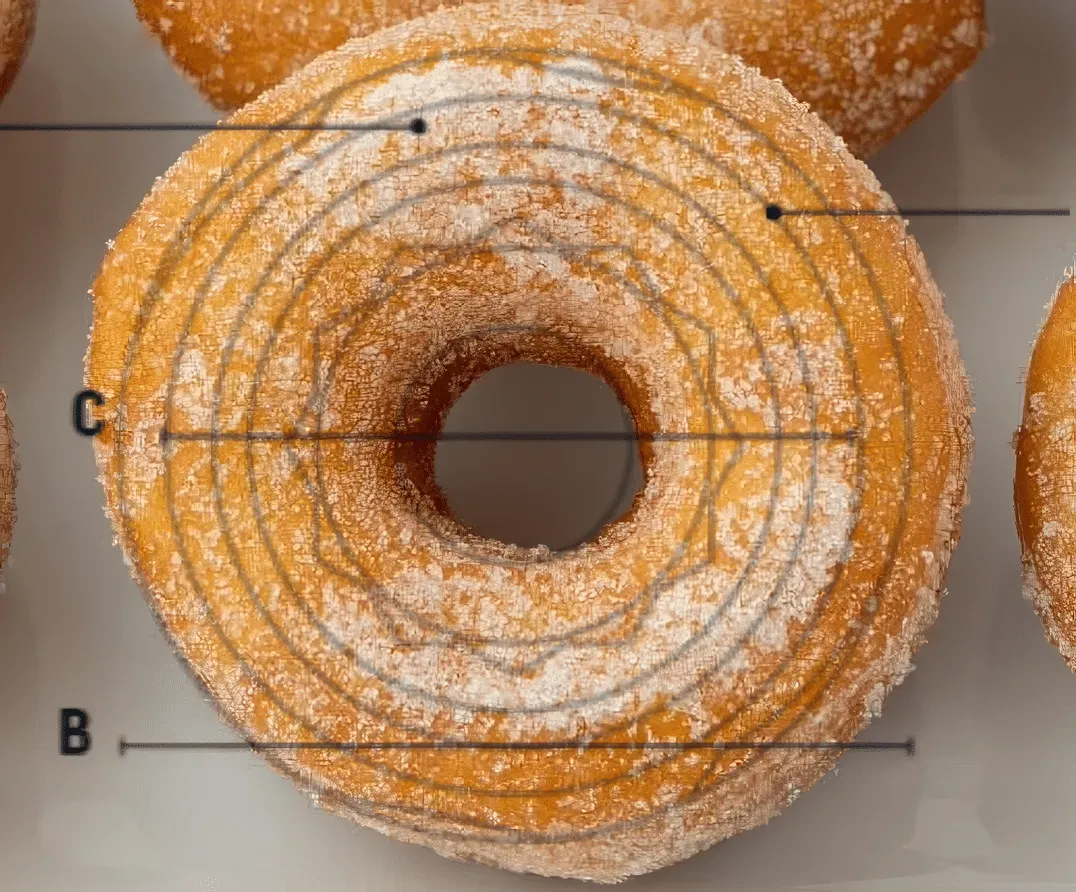
In brief — Post-op pain after a single implant is manageable with common painkillers. Conservative bone expansion produces measurably lighter recoveries than traditional regeneration with grafts and membranes.
You’re reading up on implants, and one question keeps stopping you: how much is this going to hurt?
They drill through the gum. Through the bone.
Terrifying, put that way.
Isn’t there a way around it?
Sure — if you believe the ads.
Is it true, though?
I’ll tell you straight. Thirty years placing implants, thirty years of real post-ops on real patients — that’s what I’m drawing on here, not a brochure.
Local Anesthesia
You feel nothing during surgery. Local anesthesia shuts down sensation in the site completely.
Pressure, maybe. A slight vibration. Sounds that unsettle you more than the sensation itself. But no physical pain.
If something does hurt mid-procedure, say so — your dentist tops up the anesthesia on the spot. No serious surgeon operates on someone who’s in pain.
The trouble, when it comes, comes later: anesthesia wears off, you’re home, and the mouth starts making itself heard.
Getting that phase right is the difference between an easy weekend and a miserable one.
What Happens When You Wake Up?
A single implant, ideal conditions, hurts roughly as much as pulling an already-loose tooth. Discomfort you can handle with over-the-counter painkillers, every time.
Most people are back at work the next day, no trouble (or the same day, if they run their own business).
A bigger, more complex procedure changes that math — expect to lean on the painkillers more.
Pair it with classic bone regeneration and extended flaps, and the whole recovery picture shifts.
Which is why, whenever the case allows it, I use osteo-mucosal expansion instead.
Conservative Technique vs. Aggressive Surgery
Here’s where the surgeon’s skill and choice of method actually decide the outcome.
Traditional regeneration with grafts and membranes can make for a rough few days.
Why?
Because you have to close the tissue hermetically over more volume than was there before surgery. That means wide flaps. It means a wound bigger than anything an expansion technique would ever require.
More pain, more swelling, more bruising — that’s the trade-off, potentially.
Bone expansion tells a different story entirely. When the ridge is thin but still present, controlled expansion places the implant without adding a gram of foreign material. Surgical trauma drops. The procedure is faster. Swelling is minimal. Plain ibuprofen covers most patients. People are usually back to normal within a few days.
The First 24 Hours
The first twenty-four hours carry most of the discomfort, in every case. The scientific literature confirms pain peaks five to six hours after surgery, right as the anesthesia fades.
Managing that window well means tailoring technique and medication to the patient and the procedure — not running a one-size protocol. I’ve written a dedicated piece on managing post-surgical pain for anyone who wants the full picture.
With conservative expansion, the pain curve starts lower and drops faster. Getting back to normal simply takes less time.
Swelling, when it shows up, follows a curve I’ve described in detail elsewhere. Sutures add to the discomfort of those first days too — mostly mechanical annoyance, rarely real pain.
What the Latest Research Says About Pain Control
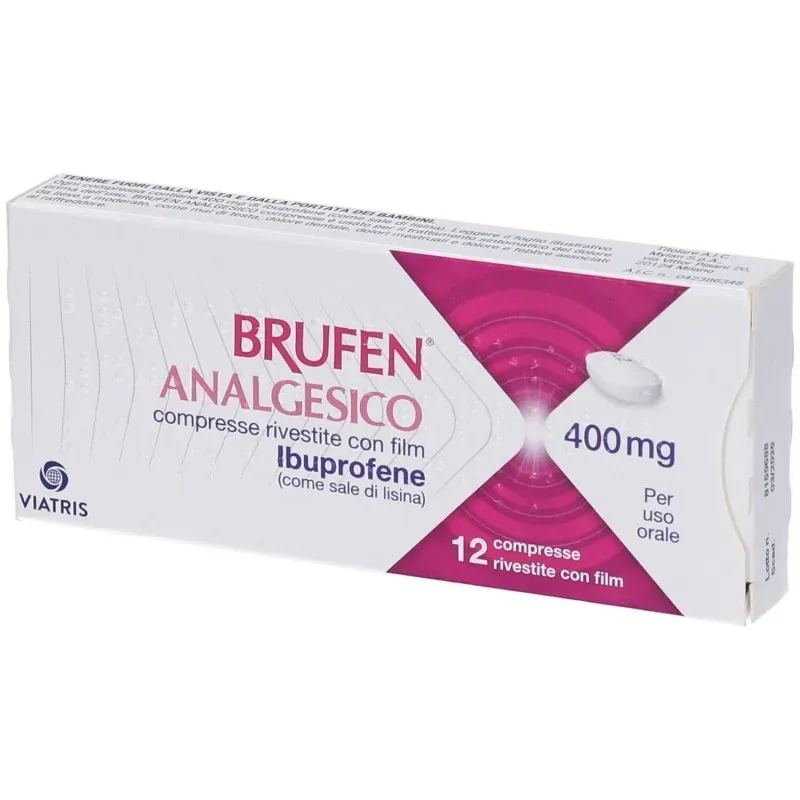
The pharmacology behind post-implant recovery has gotten sharper over the last three years. According to PubMed, Gomes da Frota and colleagues reviewed seven randomized trials — close to 600 patients — comparing preemptive NSAIDs and steroids ahead of implant surgery. Etoricoxib 90 mg, ibuprofen 600 mg, and nimesulide 100 mg came out on top for single implants; meloxicam and tenoxicam held up better in the multi-implant, more invasive cases. None of the drugs tested triggered a relevant adverse reaction (DOI).
Tenoxicam earns its own mention. Altuhafy and colleagues reviewed nine RCTs, implant surgery included, and found it consistently matches or beats ibuprofen, diclofenac, and meloxicam in the hours right after surgery — when pain is at its worst. Not a magic bullet. A solid option when you’re bracing for more discomfort than average (DOI).
Some patients go looking for a technological shortcut instead. Low-level laser therapy after oral surgery, across eighteen trials and 771 patients, showed pain reductions of 30-55% in the first week and faster soft-tissue healing. The catch: protocols vary too much — wavelength, energy, timing — to draw firm conclusions, and the review’s own authors rate the overall certainty of evidence as low (DOI).
As for the assumption that antibiotics are automatic — the newest evidence argues for restraint. A 2026 meta-analysis of ten placebo-controlled trials found no statistically significant drop in infectious complications from routine antibiotic prophylaxis across invasive dental procedures, implants included, against a real risk of disturbing the oral microbiome and selecting for resistant strains. The prescription should track the patient’s actual risk. It shouldn’t be a reflex (DOI).
And That “No-Hole” Implant You Mentioned Earlier? Does It Exist?
In a word: no.
That’s marketing copy, not dentistry.
There’s guided surgery, which some marketing spins into a “scalpel-free” pitch — and in specific cases, there’s a kernel of truth in that.
Still, guided-surgery drills cut too.
And the hole, like the one in a donut, has to be there.
Closing Notes
I’ve seen thousands of post-ops over thirty years.
Most patients tell me the pain came in lower than they braced for. Plenty are surprised at the follow-up visit. Some never finish the painkillers they were prescribed.
Patients treated with bone expansion instead of regeneration consistently report lighter recoveries. Less swelling. Less pain. Faster turnaround.
It’s what you’d expect from surgery that does less damage in the first place.
References
- Malamed SF. Pain management following dental trauma and surgical procedures. Dent Traumatol. 2023;39(4):295-303. doi:10.1111/edt.12840 · PMID 36961318
- Gomes da Frota E, Bergamaschi CC, Lopes LC, de Deus Lages LP, Motta RHL. Preemptive analgesia with steroidal and nonsteroidal anti-inflammatory drugs in dental implant surgeries: a systematic review. J Oral Implantol. 2026;52(3):225-234. doi:10.1563/aaid-joi-D-24-00009 · PMID 42242696
- Altuhafy M, Kamdar D, Khan J. Efficacy of tenoxicam for postoperative dental pain: a systematic review of randomized controlled trials. J Dent Anesth Pain Med. 2026;26(2):91-107. doi:10.17245/jdapm.2026.26.2.91 · PMID 41952911
- Ahmed A, Shazo S. Low-level laser therapy in oral surgery: how strong is the evidence for improved postoperative outcomes? Evid Based Dent. 2026;27(1):5-7. doi:10.1038/s41432-025-01201-z · PMID 41578029
- Iturbe Cordero AA, Jaramillo AP, Vasquez J. Perioperative antimicrobial prophylaxis for invasive dental procedures: a systematic review and random-effects meta-analysis of randomized and placebo-controlled studies. Cureus. 2026;18(1):e100755. doi:10.7759/cureus.100755 · PMID 41640922
FAQ
How long does pain last after a dental implant?
Can I go back to work the day after surgery?
What medication do I need to take after the procedure?
Does an implant hurt more than a tooth extraction?
What happens if I don't have much bone?
Is swelling normal?
Do truly painless implants exist?
Cite this article
Ready for theses, slides and papers. If you cite it on a web page, make the URL a link so readers can reach the source.
Bruschi E. Does a Dental Implant Hurt? What to Really Expect [Internet]. Frosinone (Italy): Bonebenders; 2025 [updated 2026 Jul 15; cited 2026 Oct 25]. Available from: https://bonebenders.com/en/blog/dental-implant-pain-what-to-really-expect/ Bruschi, E. (2025, December 10). Does a Dental Implant Hurt? What to Really Expect. Bonebenders. https://bonebenders.com/en/blog/dental-implant-pain-what-to-really-expect/
@misc{bruschi2025dental,
  author       = {Bruschi, Ernesto},
  title        = {Does a Dental Implant Hurt? What to Really Expect},
  year         = {2025},
  month        = dec,
  howpublished = {Bonebenders},
  url          = {https://bonebenders.com/en/blog/dental-implant-pain-what-to-really-expect/},
  note         = {Accessed 2026-10-25}
} Go deeper
Espansione crestale (split crest) →Allargare la cresta senza trapianto — tecnica ERE e bonebending
Need a professional opinion?
Book an appointment at Dr. Bruschi's practice in Frosinone. First visit includes full diagnosis and personalised treatment plan.
Stai valutando un impianto dentale?
Ti hanno detto che non hai abbastanza osso, o ti hanno proposto un’arcata fissa? Ho scritto una guida di dieci pagine: le strade possibili, gli esami che servono e le dieci domande da fare prima di firmare.
Ricevi la guidaStay Updated
New articles on periodontology, implantology and oral surgery — delivered to your inbox.
Comments
Loading comments...
Leave a comment