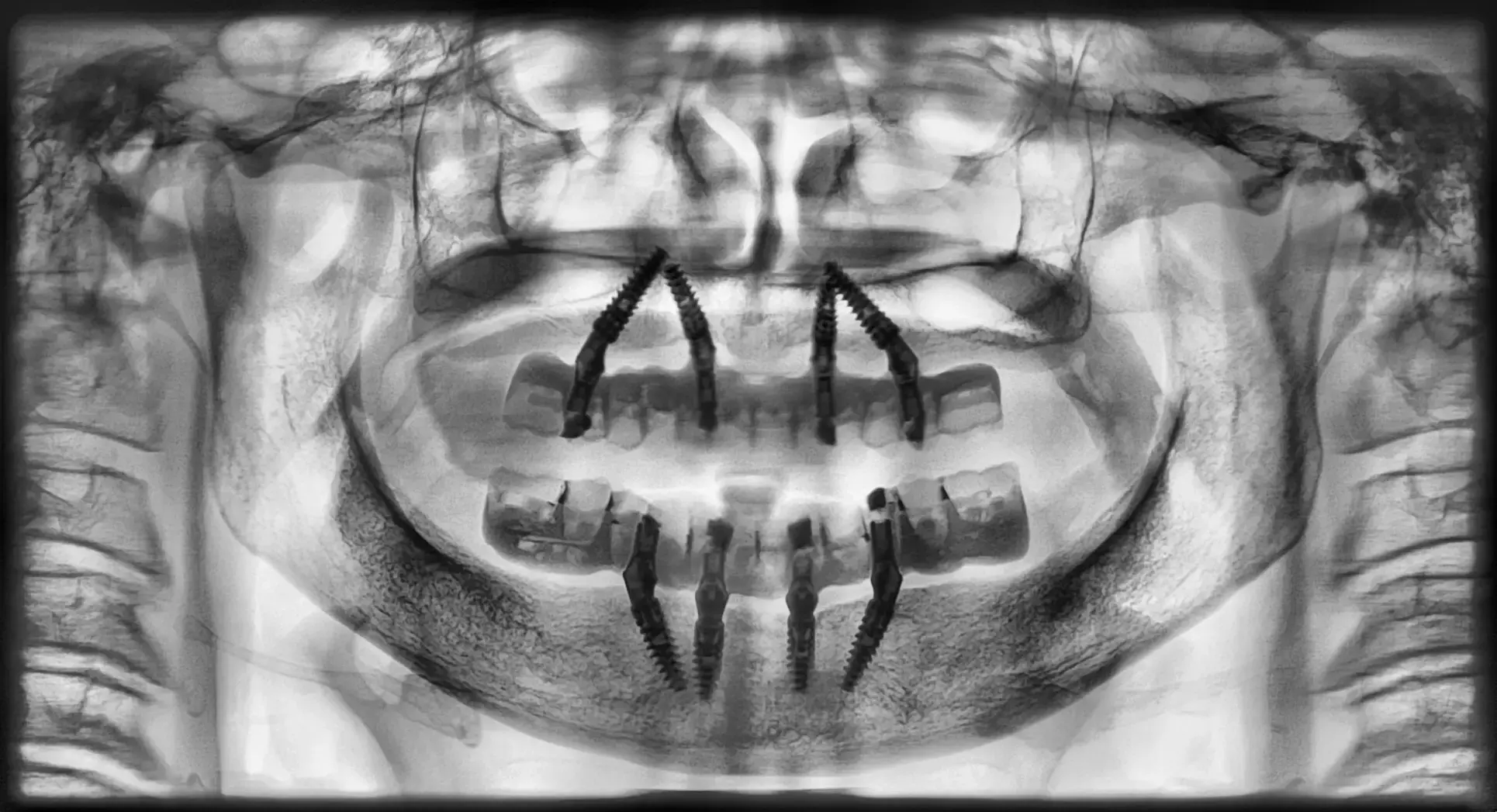
When All-on-4 is the right choice, hopeless teeth and heavily pneumatized sinuses
All-on-4 is often offered when it isn't needed. Not here: hopeless teeth, atrophic maxilla, tilted distals instead of a sinus lift. Follow-up to 3 years.
123 articles. Bone, tissues, implants, and everything in between.
All-on-4 is often offered when it isn't needed. Not here: hopeless teeth, atrophic maxilla, tilted distals instead of a sinus lift. Follow-up to 3 years.
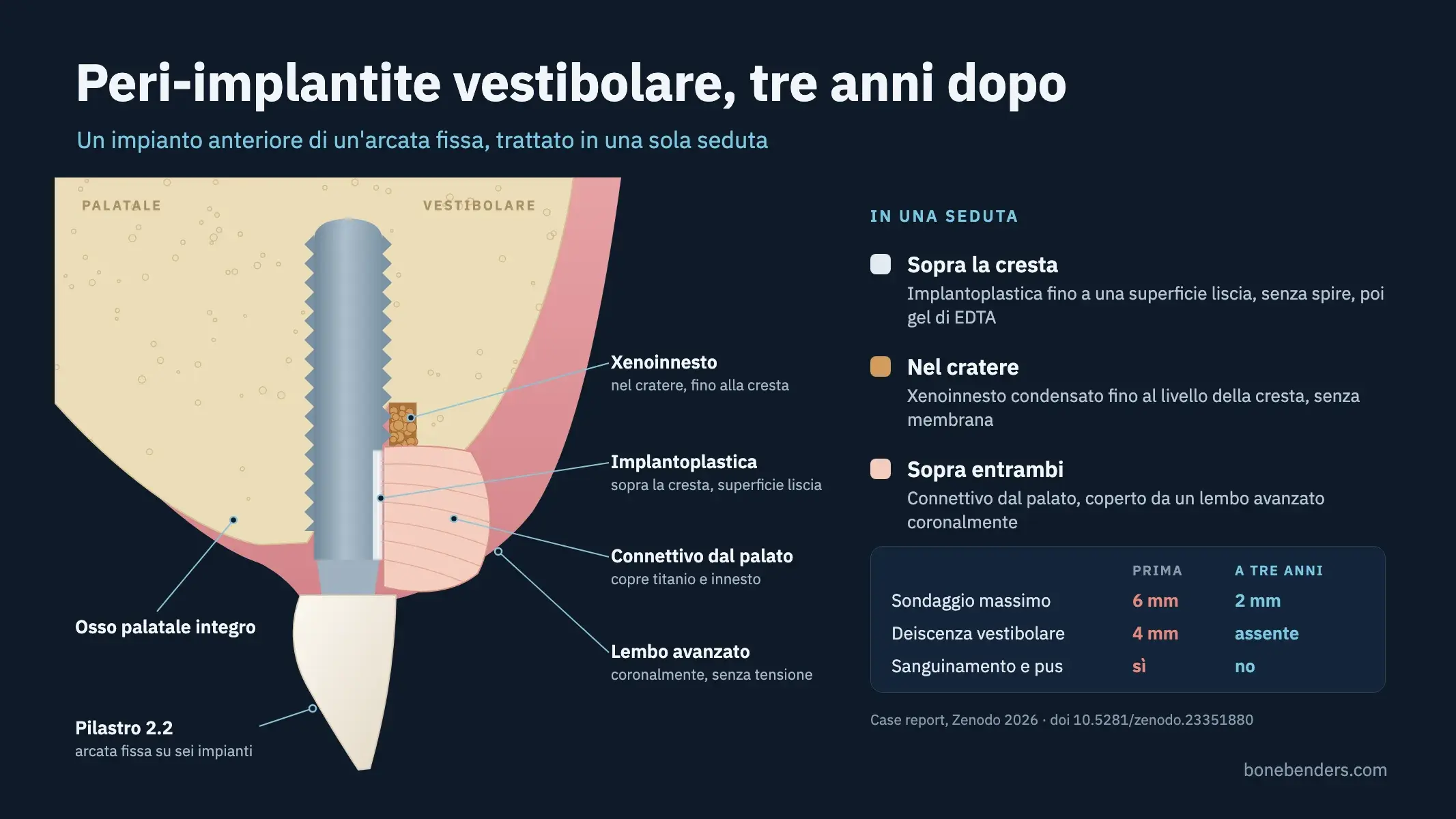
Peri-implantitis with exposed titanium at an anterior full-arch abutment: implantoplasty, xenograft and a connective tissue graft under a coronal flap.
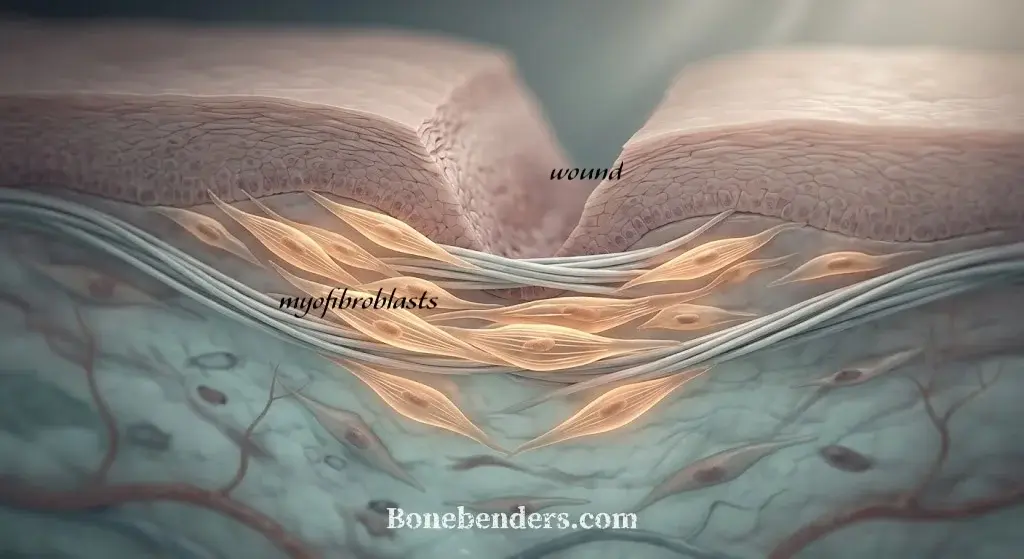
Myofibroblasts close oral wounds and stabilize the implant site. They have to disappear on schedule: when they stay, the scar becomes fibrosis.
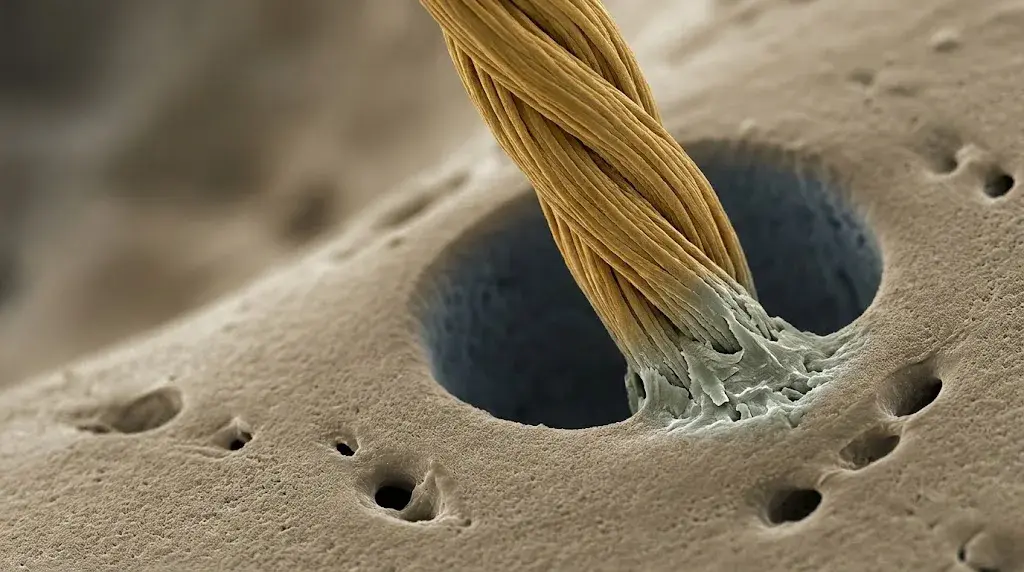
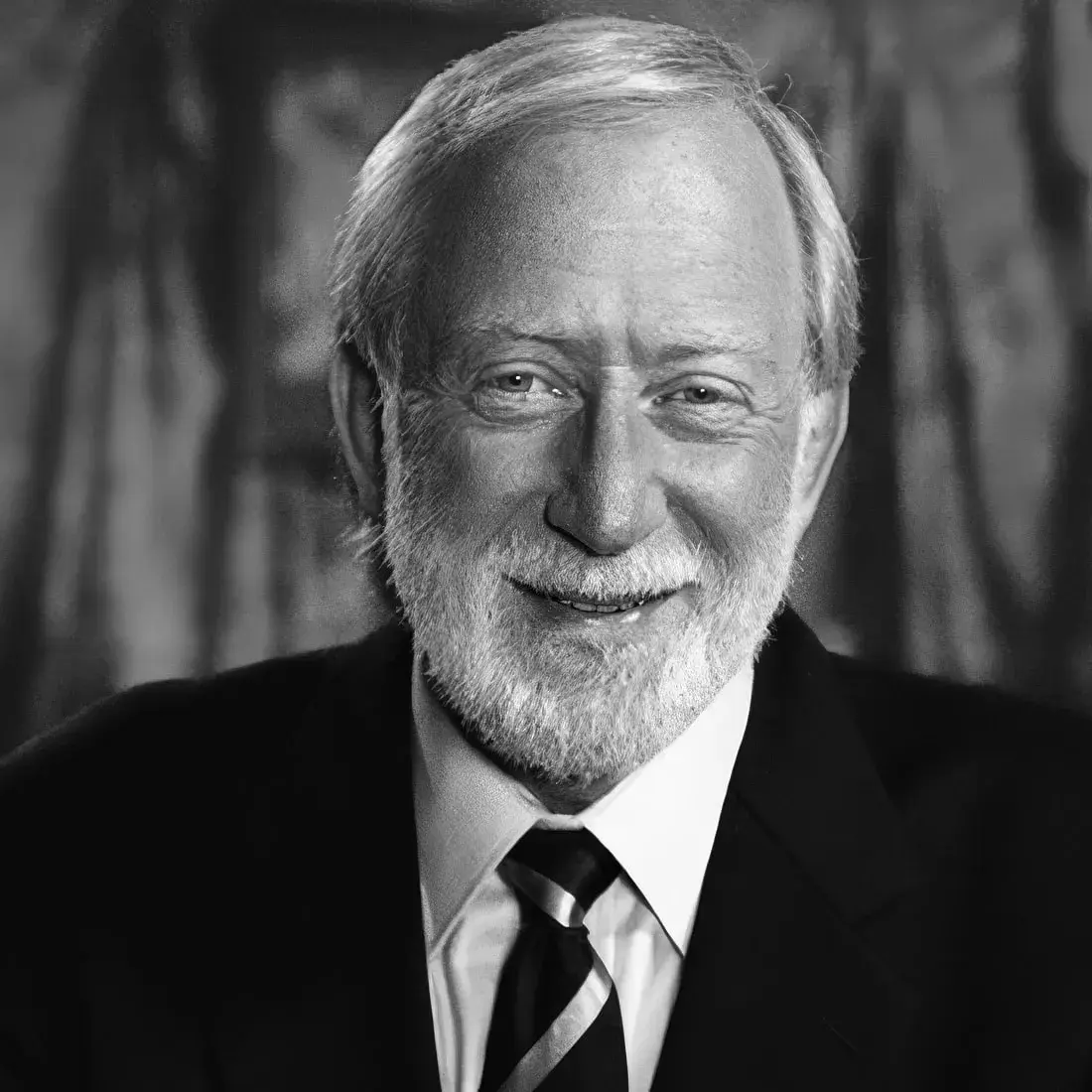
Jean Aaron's review proposes a periosteum–Sharpey–endosteum continuum: a poorly mineralized collagen III network that regulates bone. The one we strip.
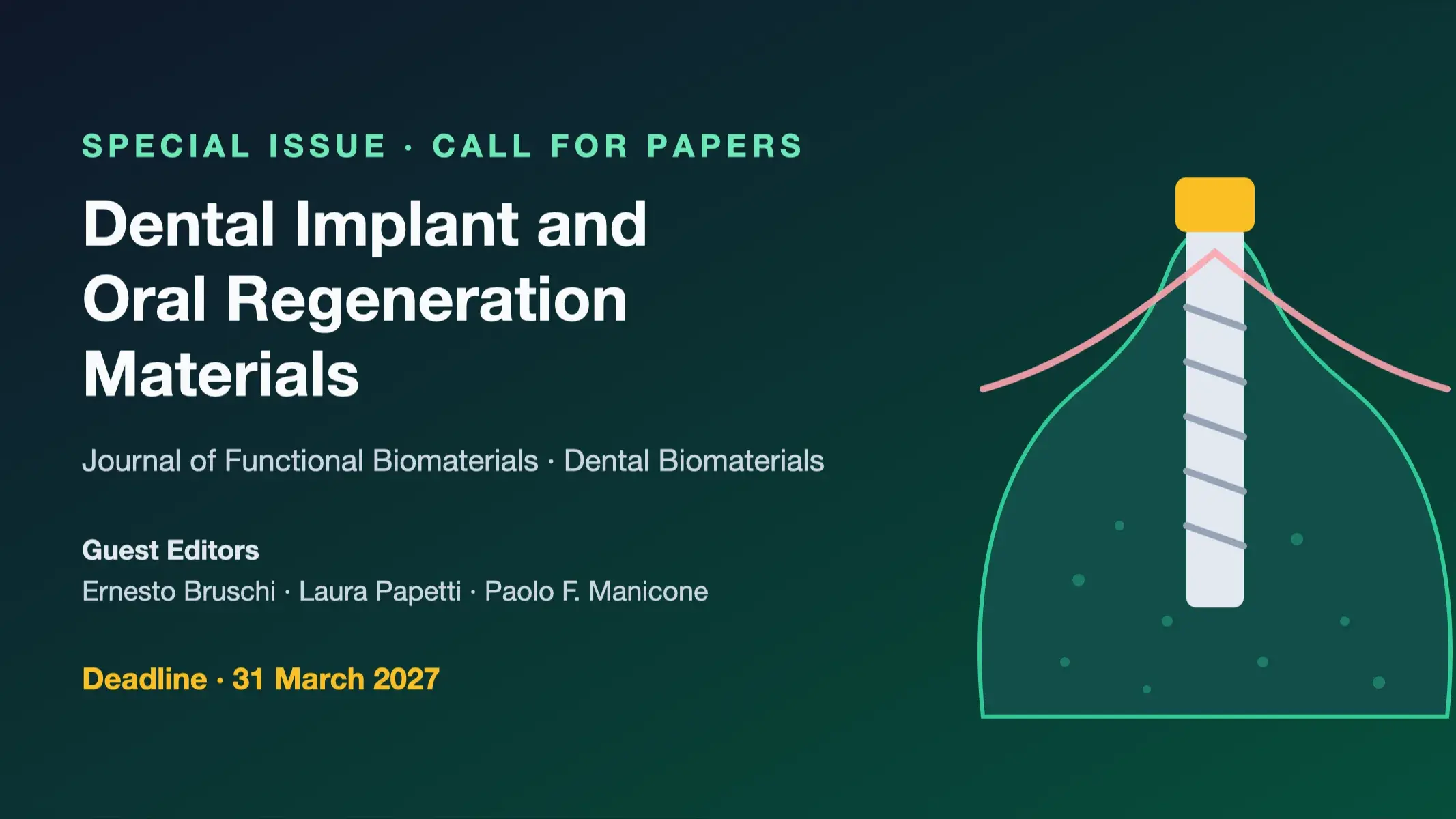
JFB Special Issue on implant and oral regeneration materials: what we want, what we send back, deadline 31 March 2027. Guest Editor with Papetti and Manicone.
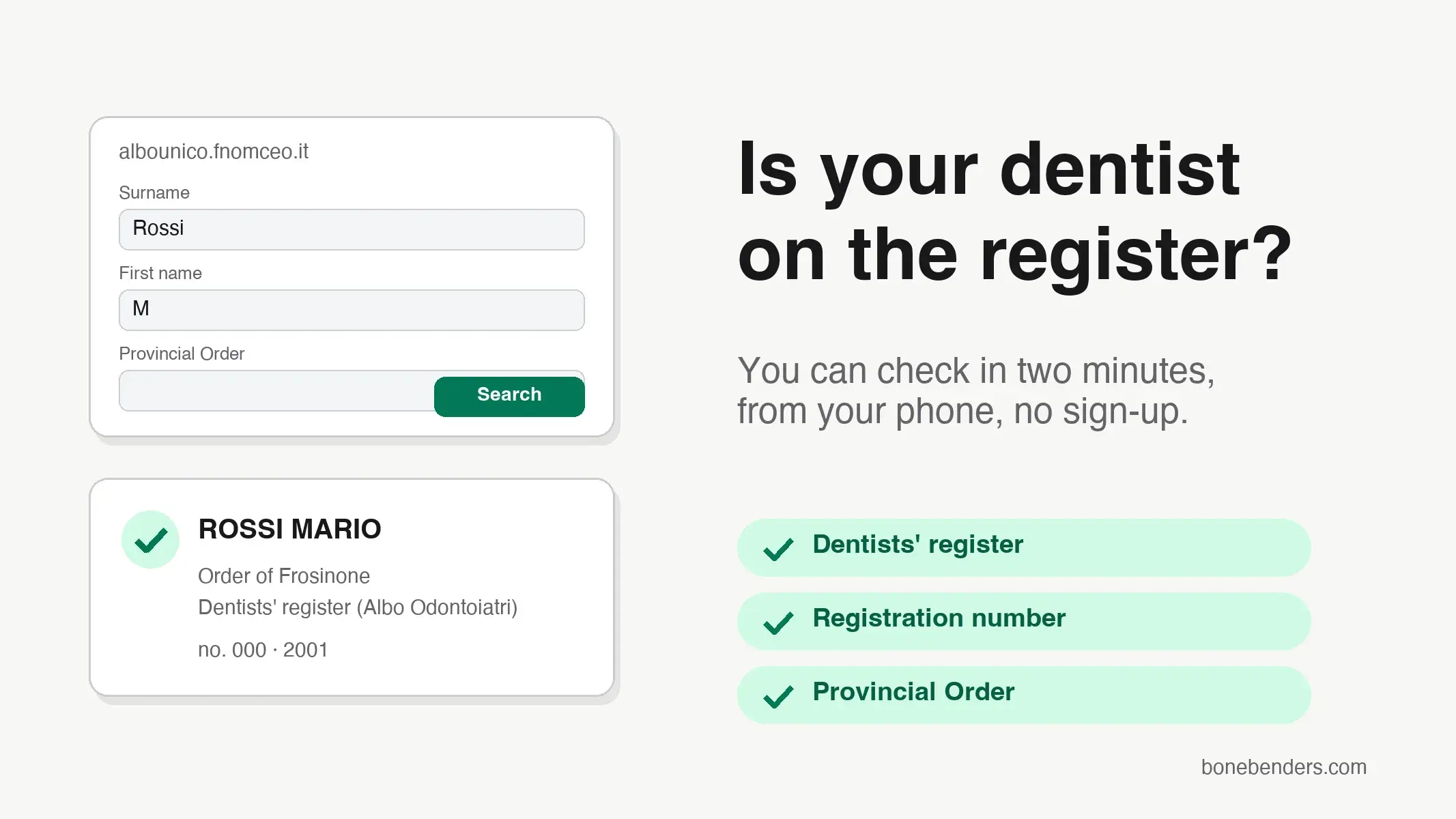
Italy's FNOMCeO register, registration numbers, dentist or dental technician: check who is treating you in two minutes, and what to do if the name is missing.
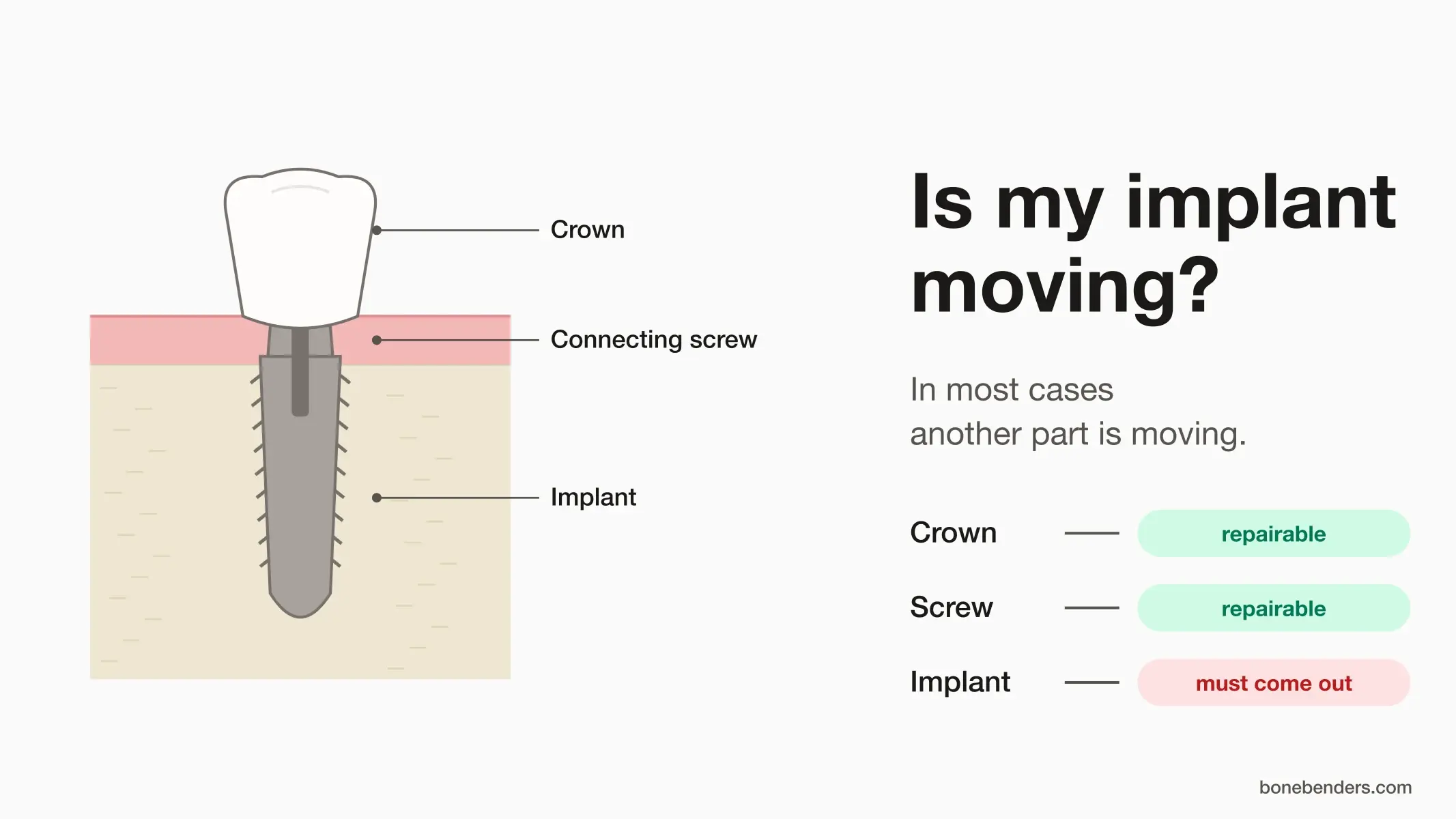
Crown, screw or implant: what is actually moving, early versus late failure, and what to do in the first 48 hours. Dr. Bruschi's guide for patients.
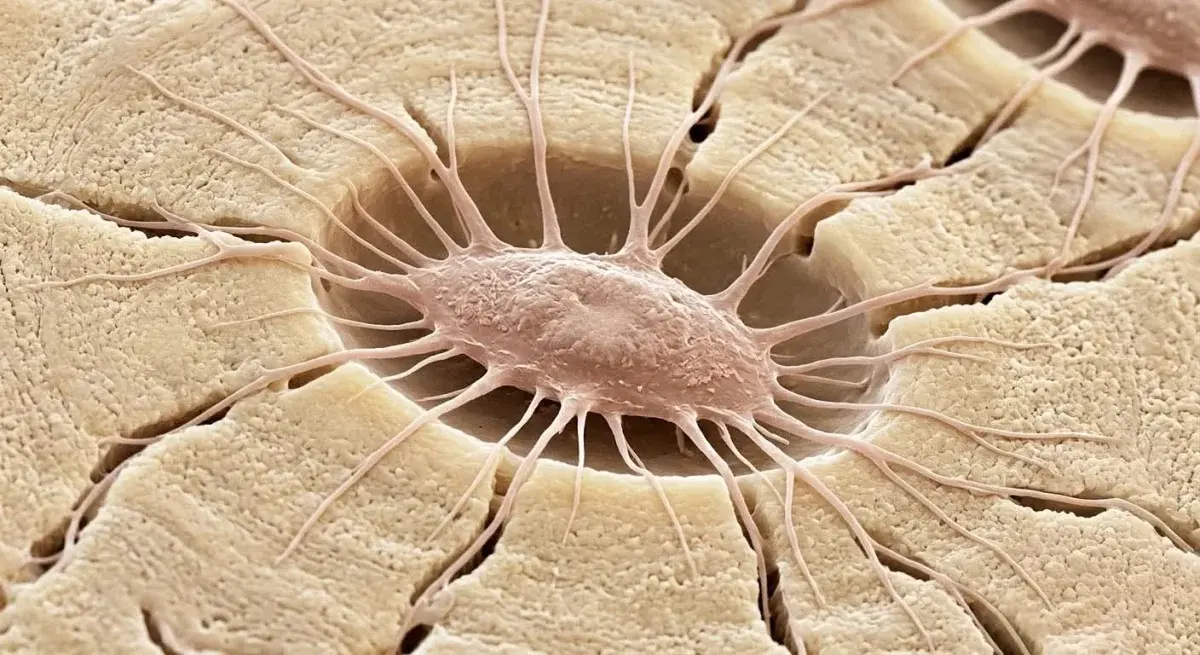
The osteoblast builds bone, then meets three fates: apoptosis, the quiet of a lining cell, or being buried alive to become an osteocyte.
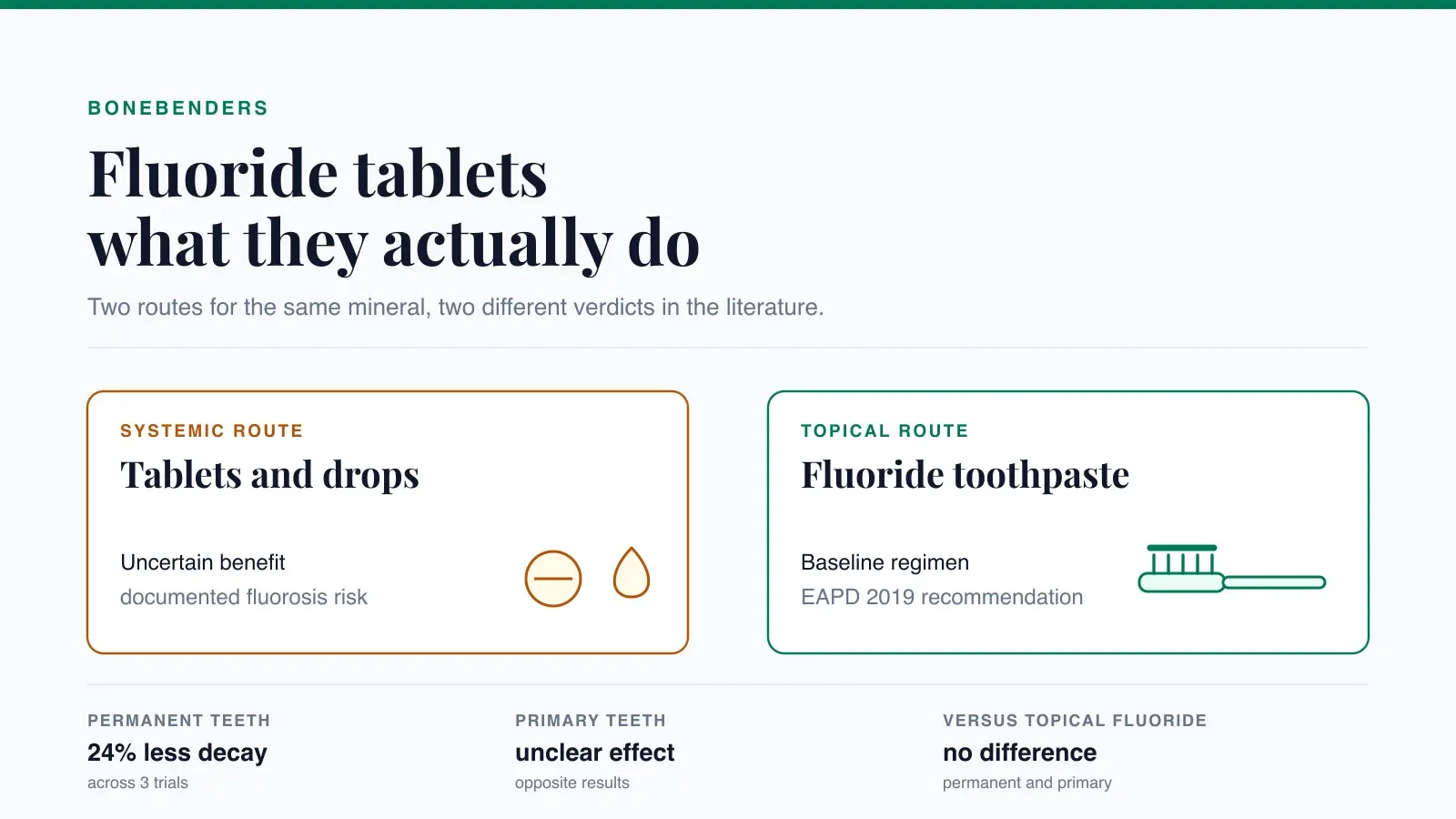
Do fluoride tablets and drops work for children? The Cochrane reviews say little, and toothpaste does better with fewer risks.
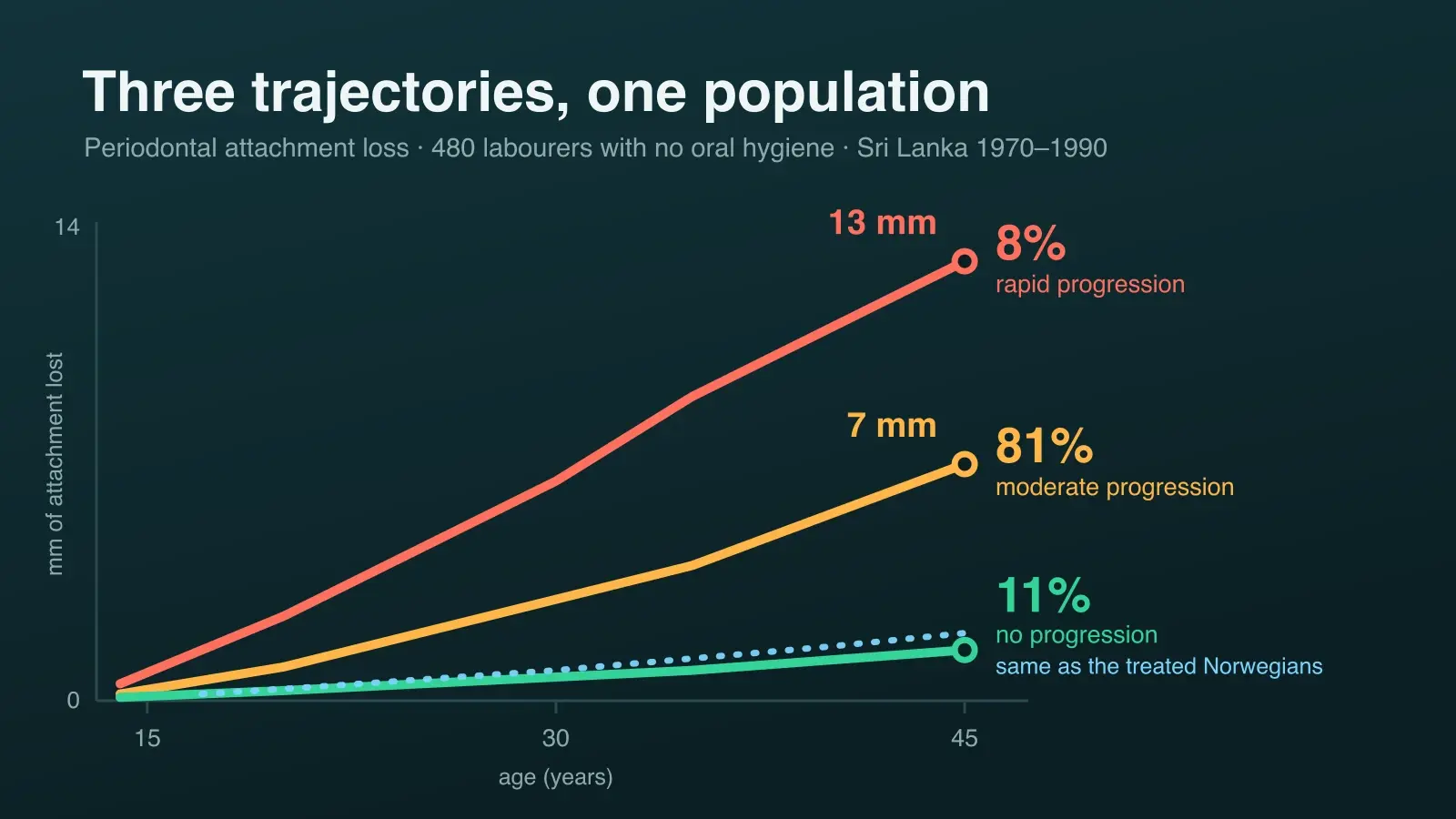
Sri Lanka, 1970: Löe followed 480 labourers with no oral hygiene at all. By 45, 8% had lost every tooth and 11% almost nothing. What the data say.
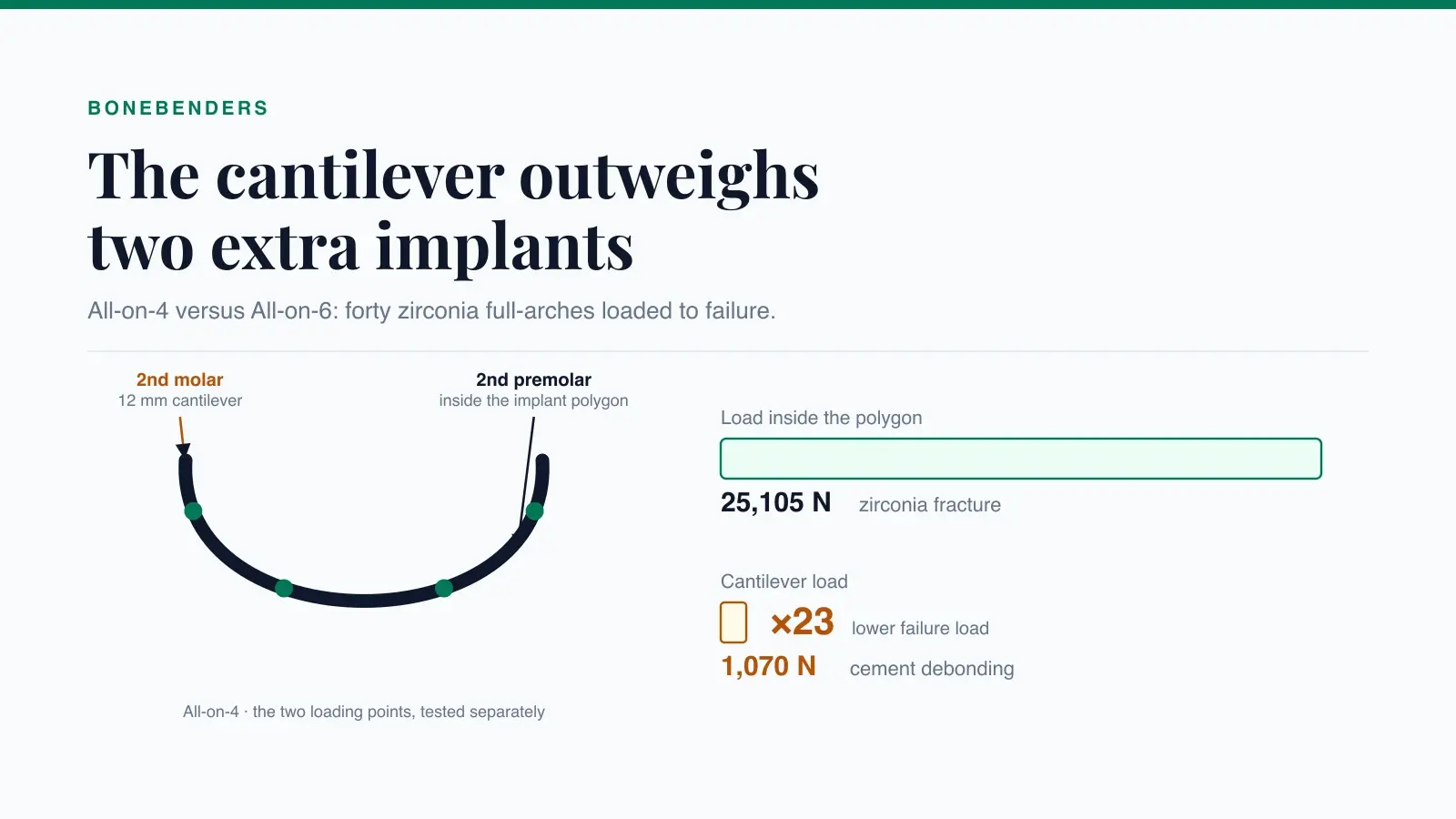
In vitro study on 40 zirconia full-arches: with four implants or six alike, strength out in the cantilever zones stays low.
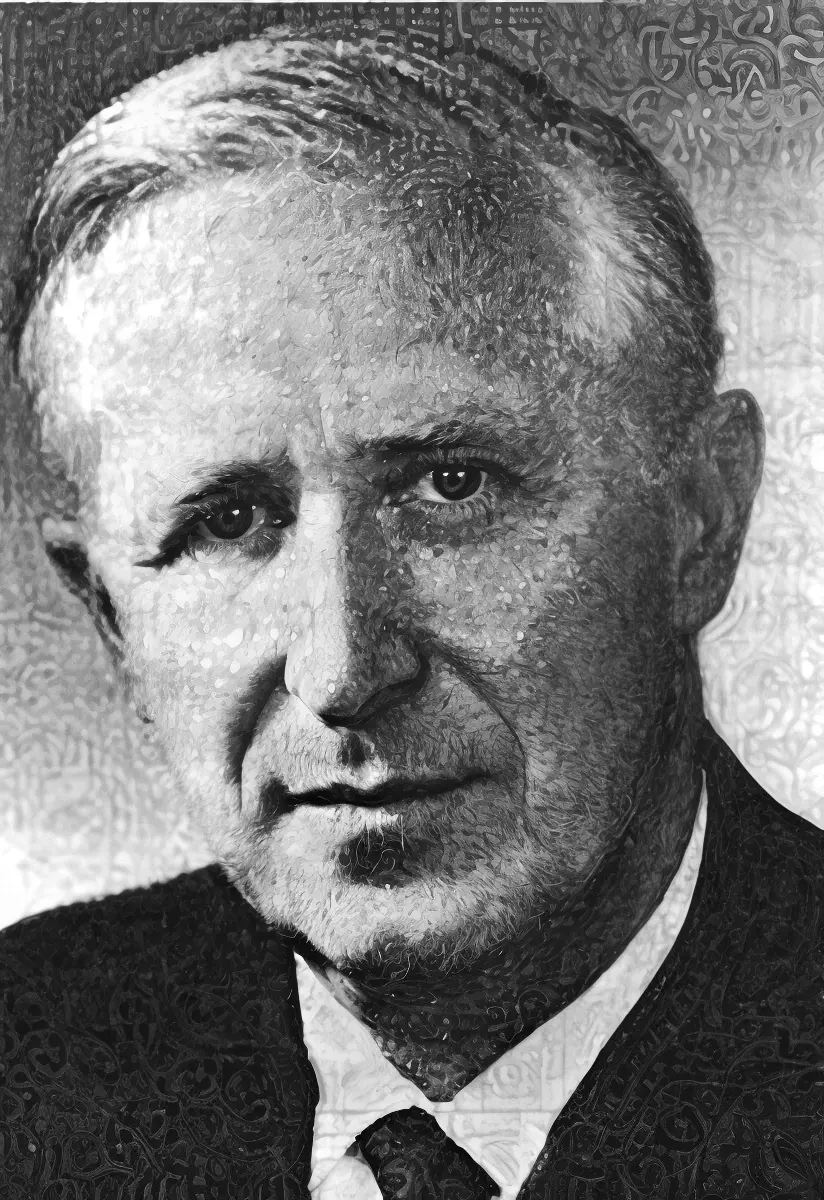
Bálint Orbán fled Nazism in 1938. In Chicago he rebuilt modern periodontology. What remains today of the Vienna School.
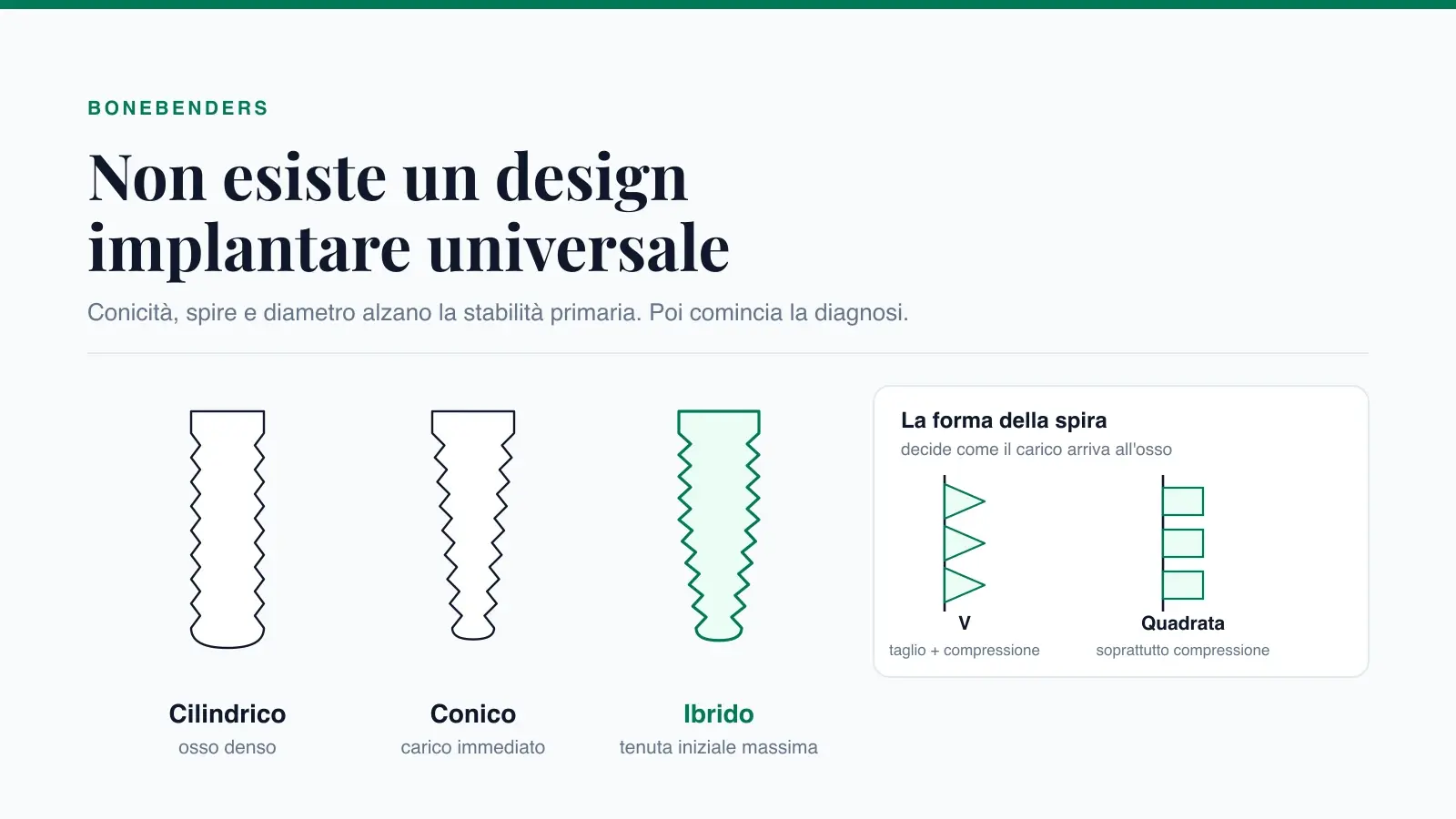
Taper, threads and diameter raise primary stability. Ideal geometry is not abstract — it exists for one site and one patient.
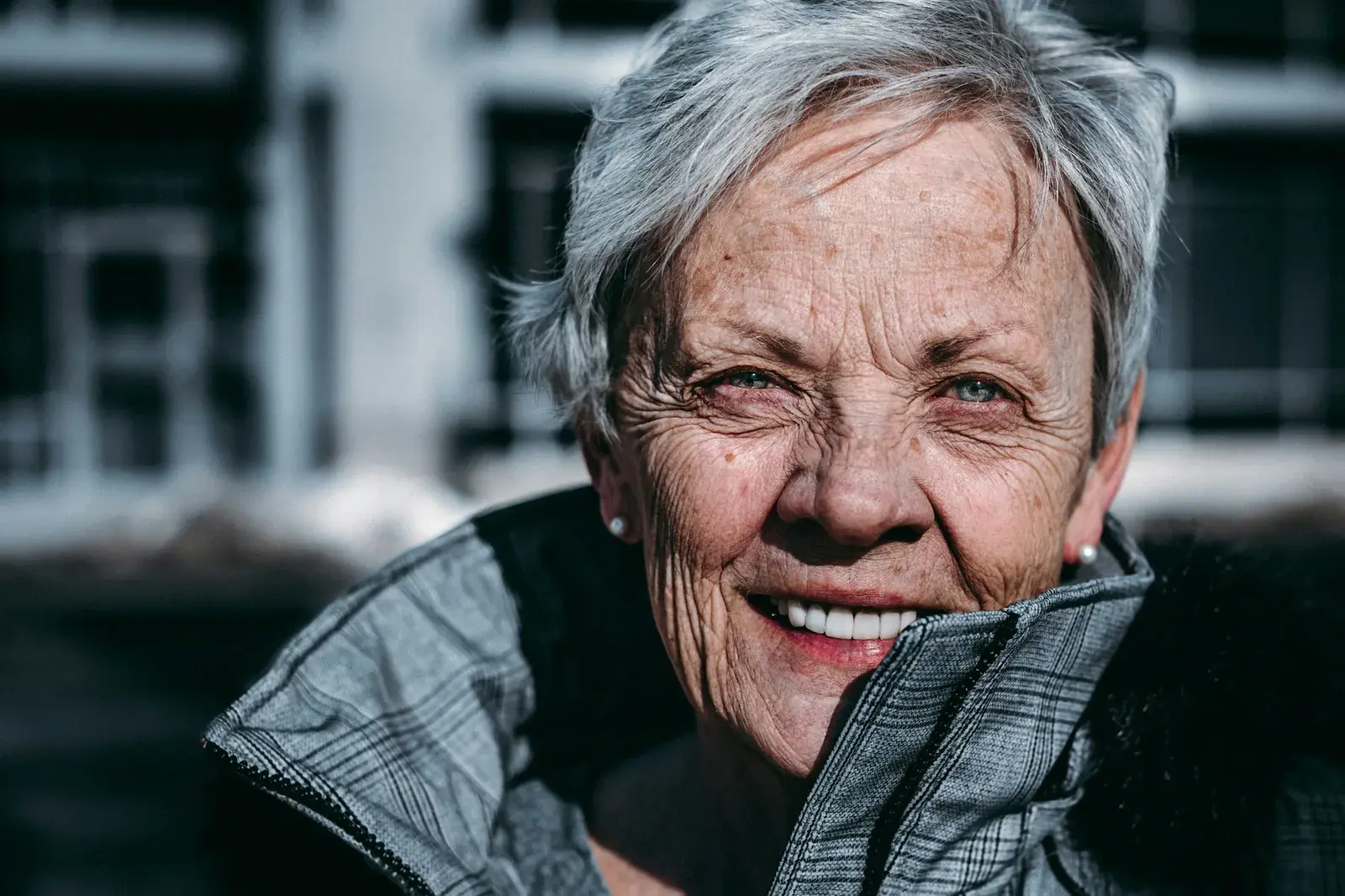
Prevention and recalls: maintenance is statistics. The reward is patients in their eighties and nineties who still have most of their own teeth.
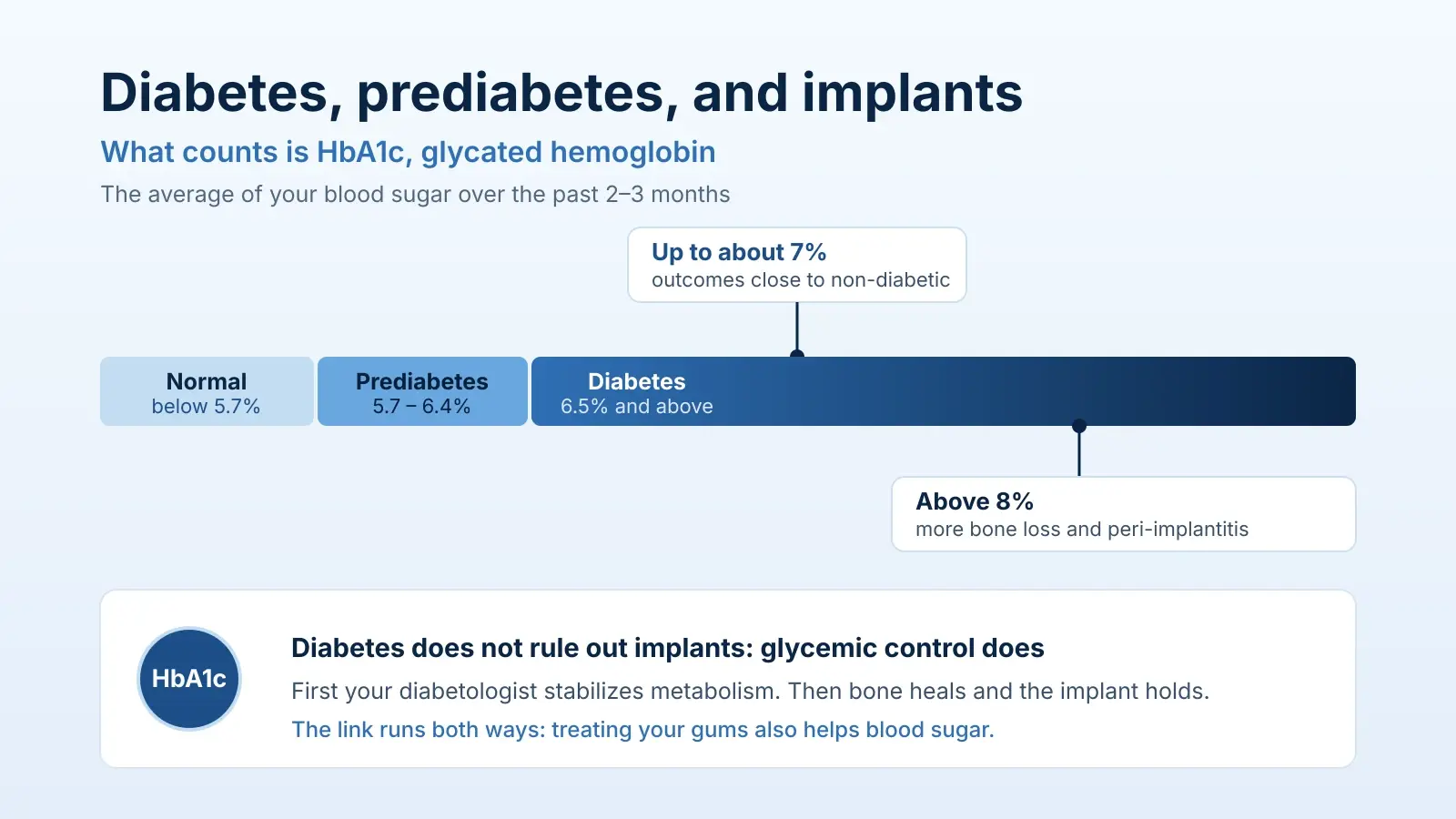
Diabetes and prediabetes do not rule out implants: HbA1c (glycated hemoglobin) counts. Thresholds, peri-implantitis, and your diabetologist.
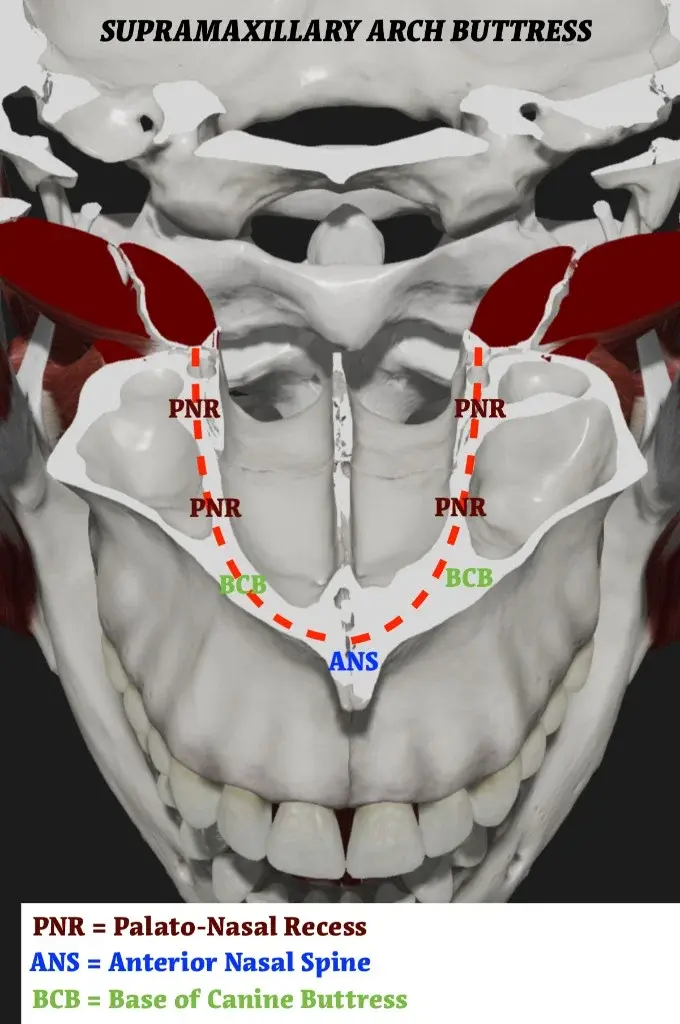
The supramaxillary bony arch links nasopalatine recess, canine buttress, and anterior nasal spine: CBCT anatomy that decides upper jaw implant anchorage.

Chronic stress consumes the bone around the teeth through the HPA axis, cortisol, and the collapse of IL-10. The molecular mechanism, and 4 ways to break it.
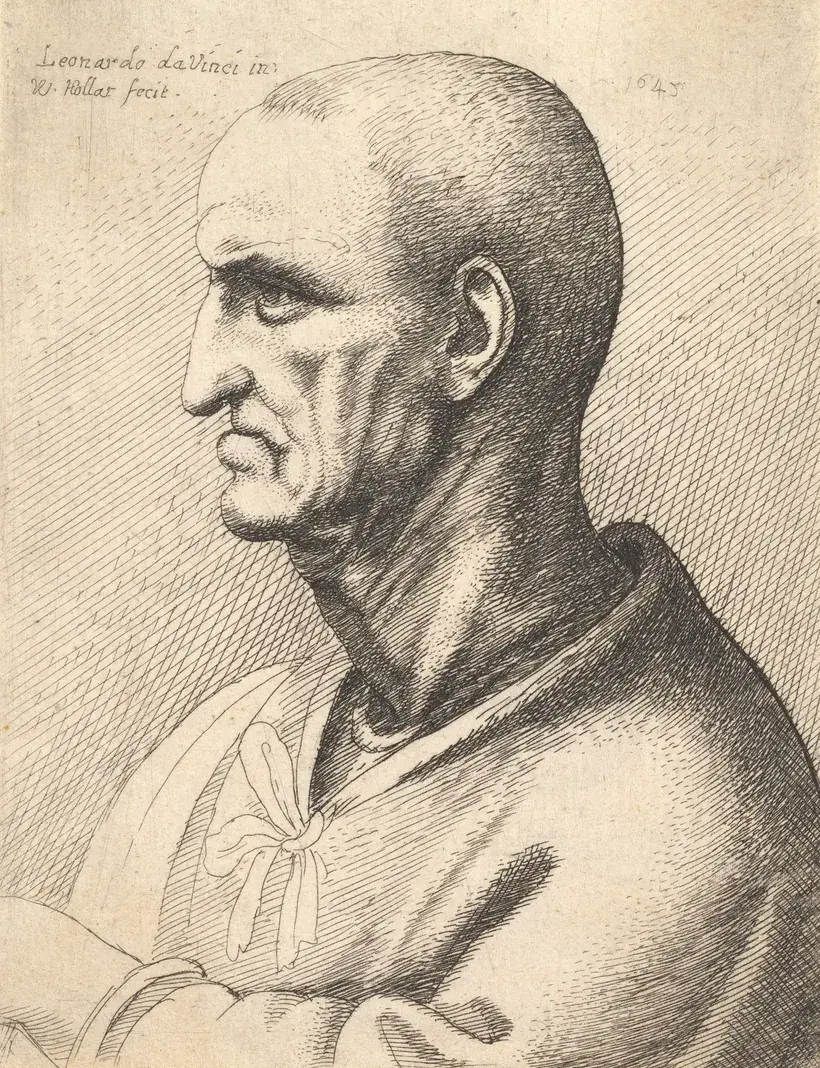
Untreated periodontitis, immediate loading that flattens bone, mass extractions, re-treatments: why 'atrophic' implant cases keep surging. Atrophy we create.
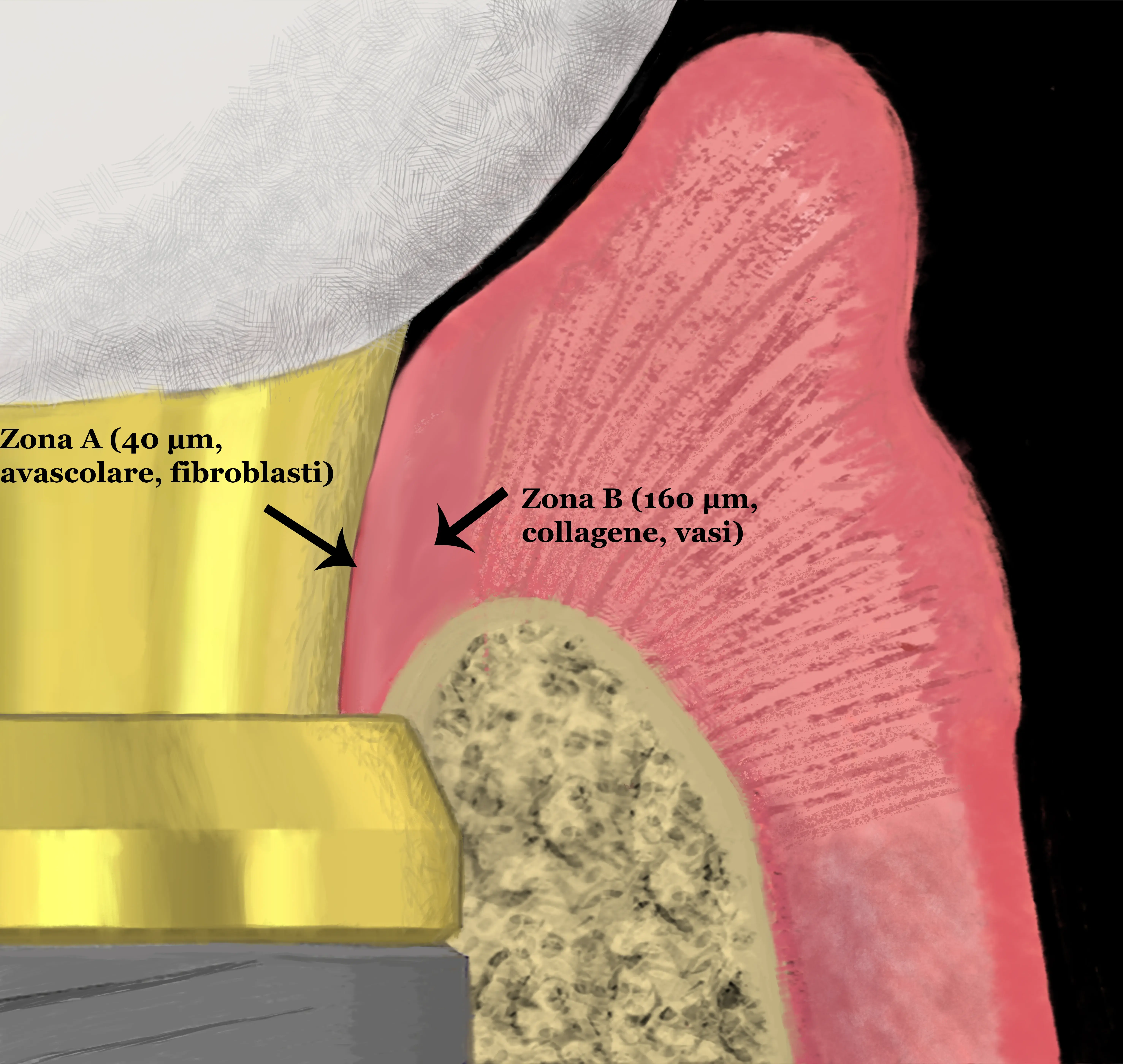
Zone A (40 μm, avascular, fibroblast-rich) seals the implant. Zone B (160 μm, collagenous, vascularized) supports it. Moon et al., 1999.
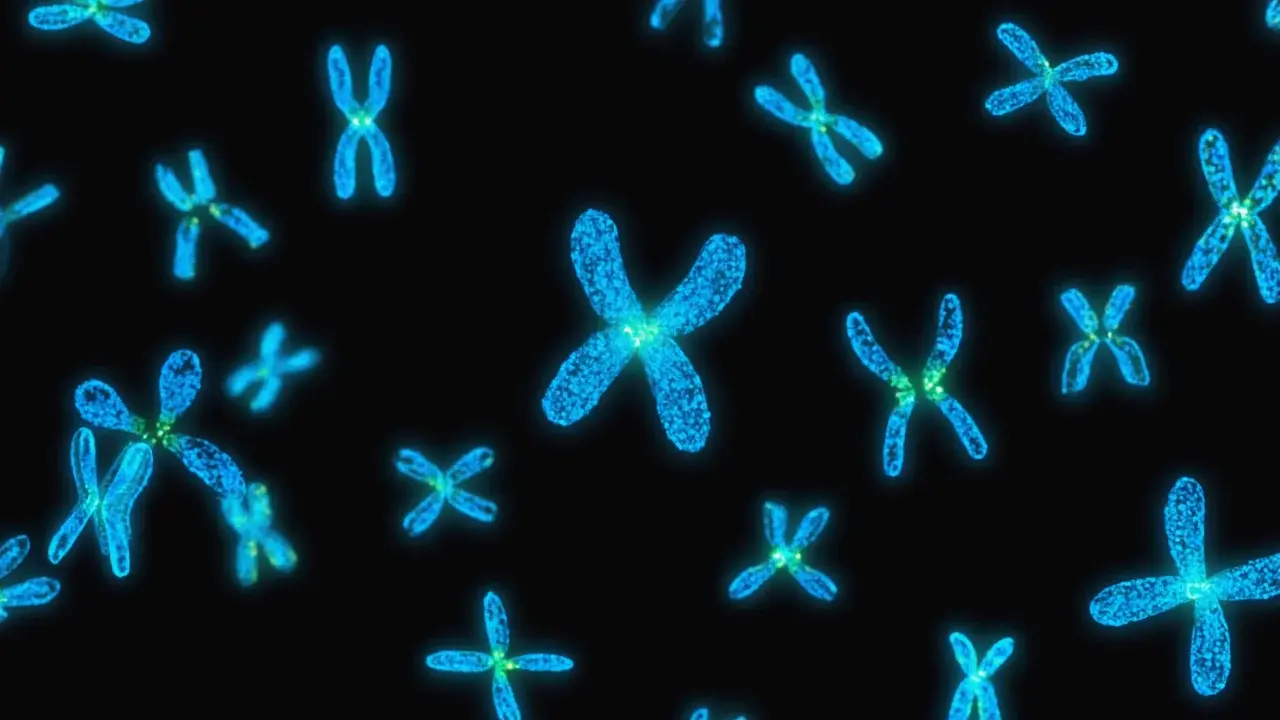
How the loss of CENP-A from centromeres explains cellular aging — and why this matters for oral cancer risk and tissue repair.
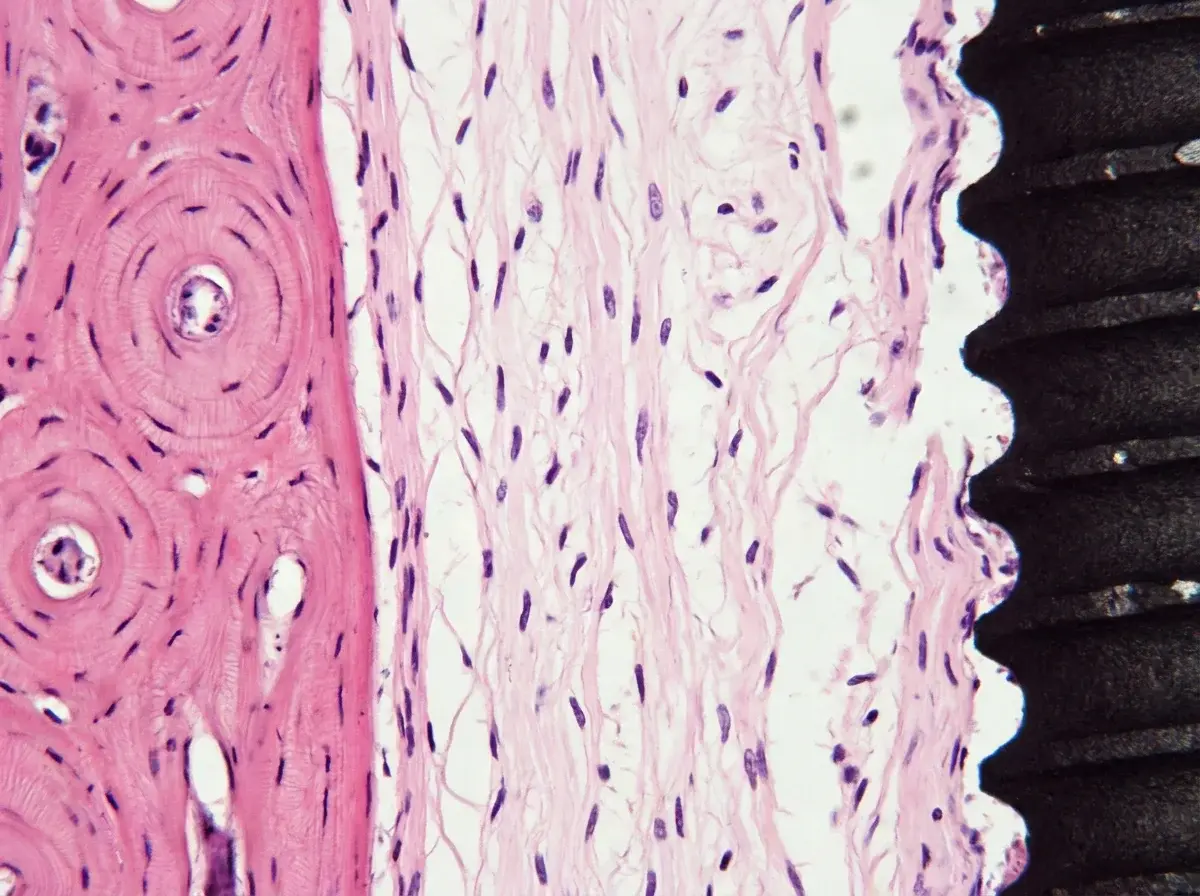
Fibrointegration: why an implant wraps itself in fibrous tissue instead of bonding to bone, what causes it, and how to prevent it.
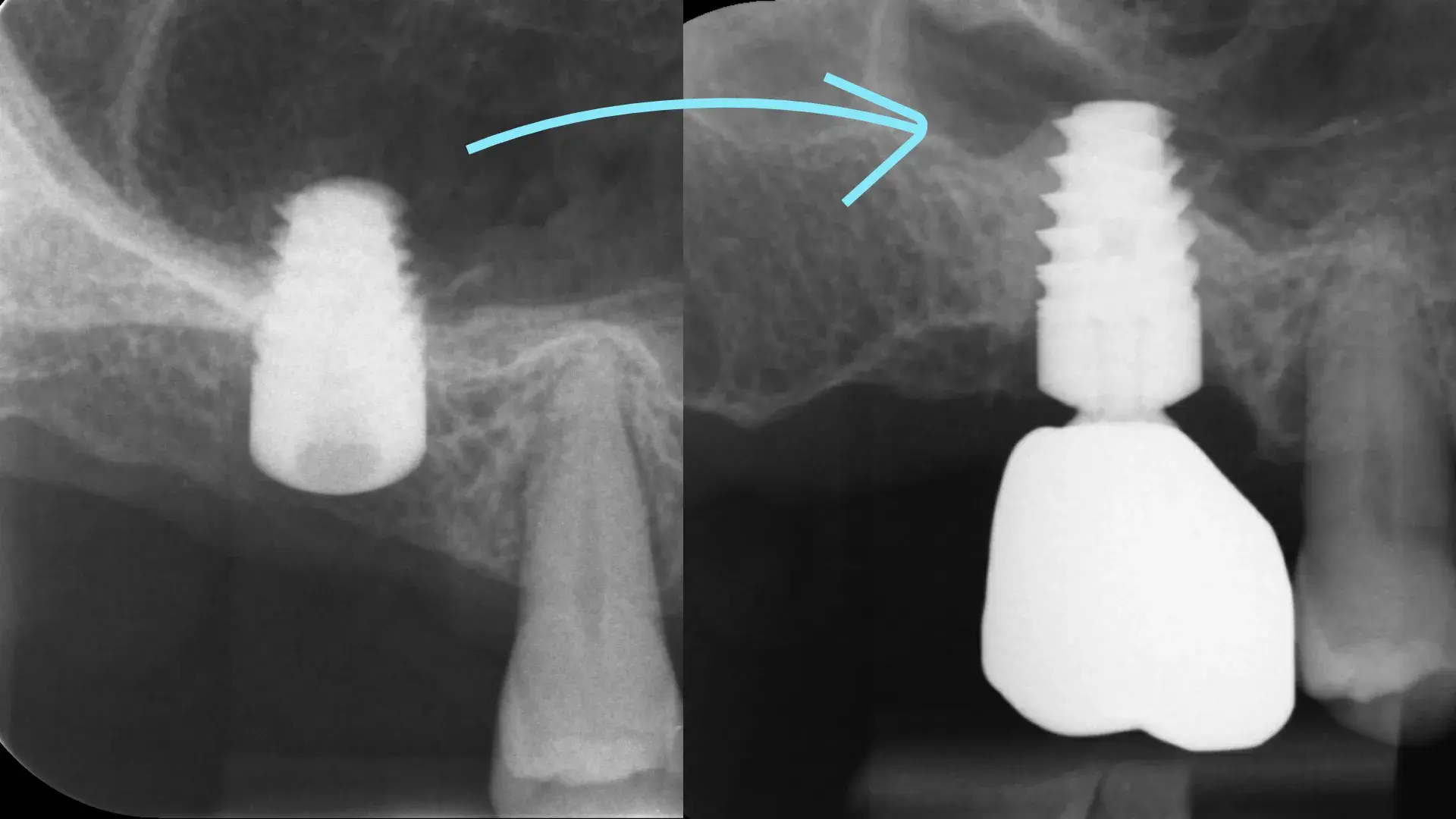
Many colleagues think transcrestal sinus lift means perforating the membrane. Almost never. You move the cortical floor, across all three planes of space.
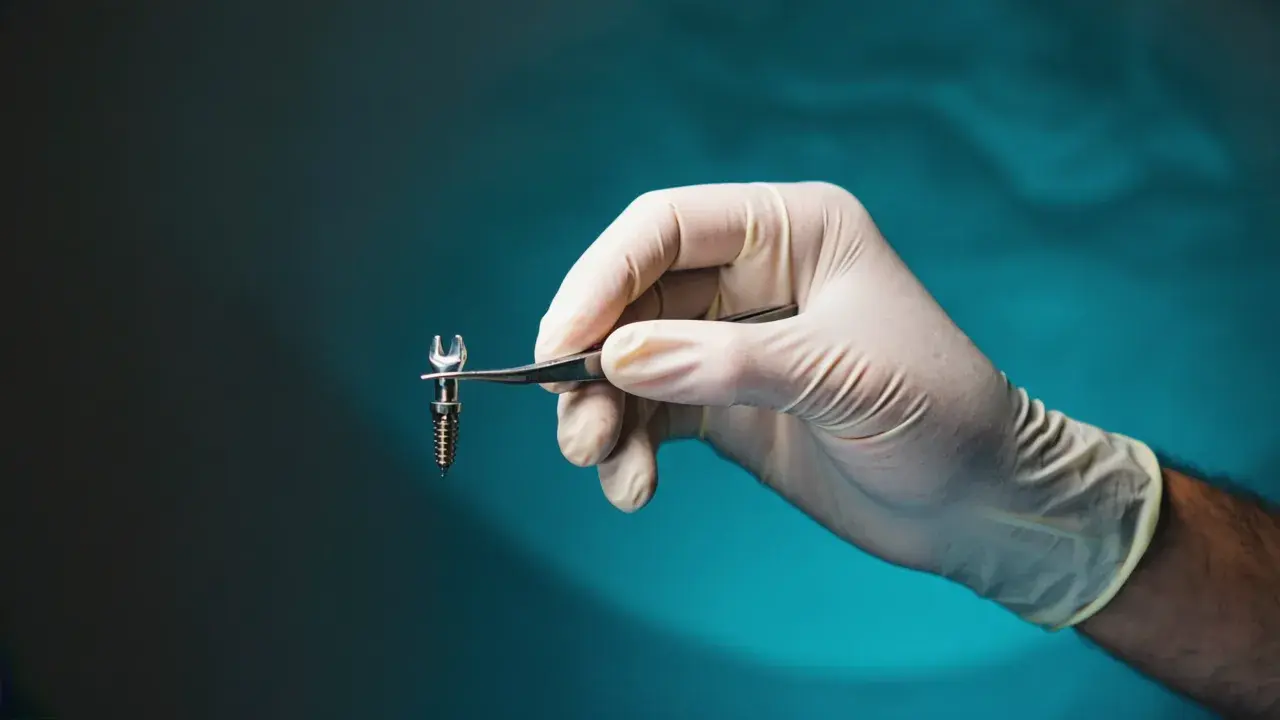
Immediate loading is an excellent technique that turns bad as a «one-size-fits-all protocol». The difference is the hand, not the tool.

From the Roman law on gold in teeth to the translators of Montecassino, to the Bruschi-Scipioni technique: a history of dentistry in Frosinone province.

Too much gum when you smile? Often the teeth are normal, just covered: passive eruption isn't finished yet. Veneers aren't the answer. What to do instead.
Oral sutures after dental surgery: when non-resorbable stitches come out (usually 7–10 days), whether removal hurts, and what to do if one falls early.
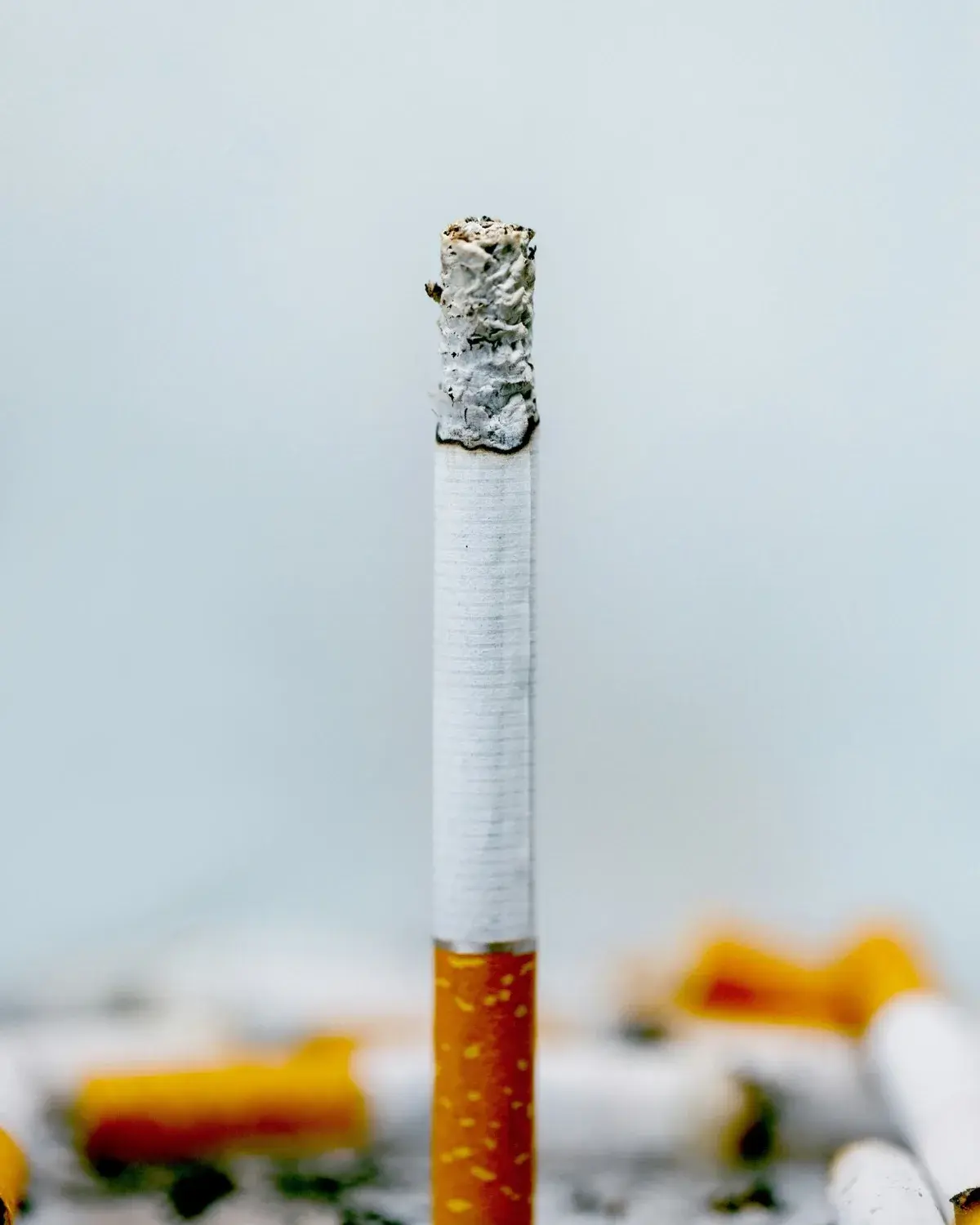
Smoking after an extraction triples dry socket risk; after an implant it roughly doubles the failure rate. How long to wait and why.
Swelling after a dental implant peaks at 48–72 hours and clears in about a week. What actually works against oedema and when to call your dentist.
The first 48 hours after a tooth extraction decide the healing outcome: protect the clot, manage pain, avoid the right things. A practical guide.
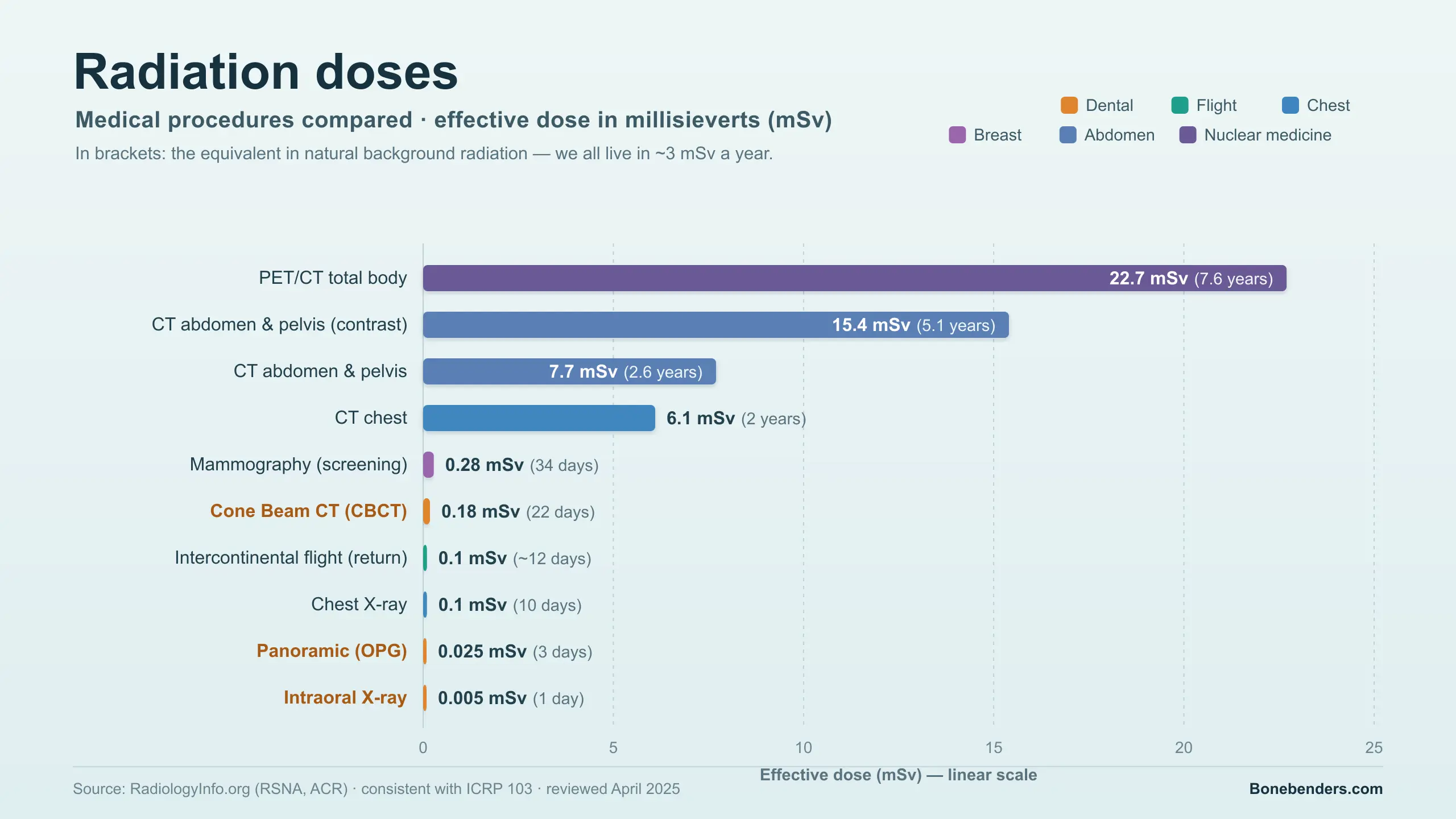
A dental X-ray equals one day of life on Earth — ten times less than an intercontinental flight. Putting millisieverts into proportion.
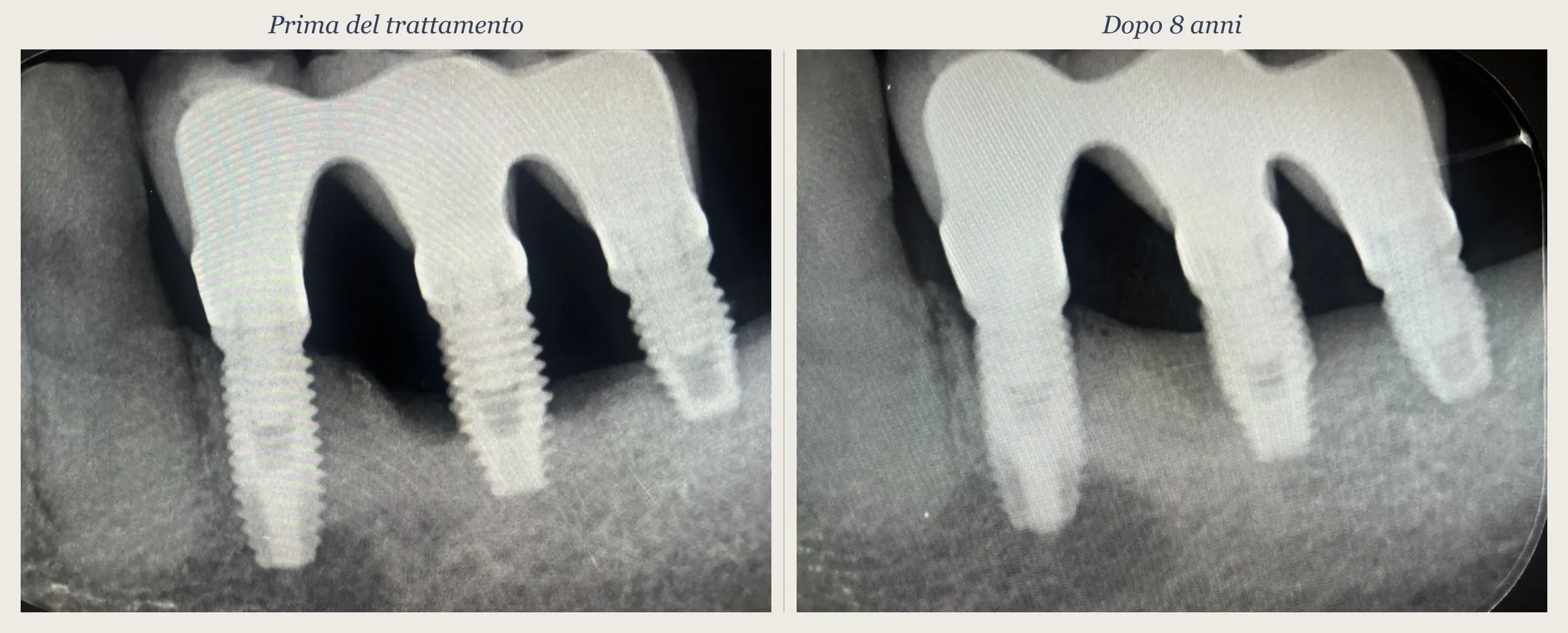
Severe peri-implantitis treated flapless with TST decontamination. Eight years of radiographic follow-up in a 95-year-old patient.
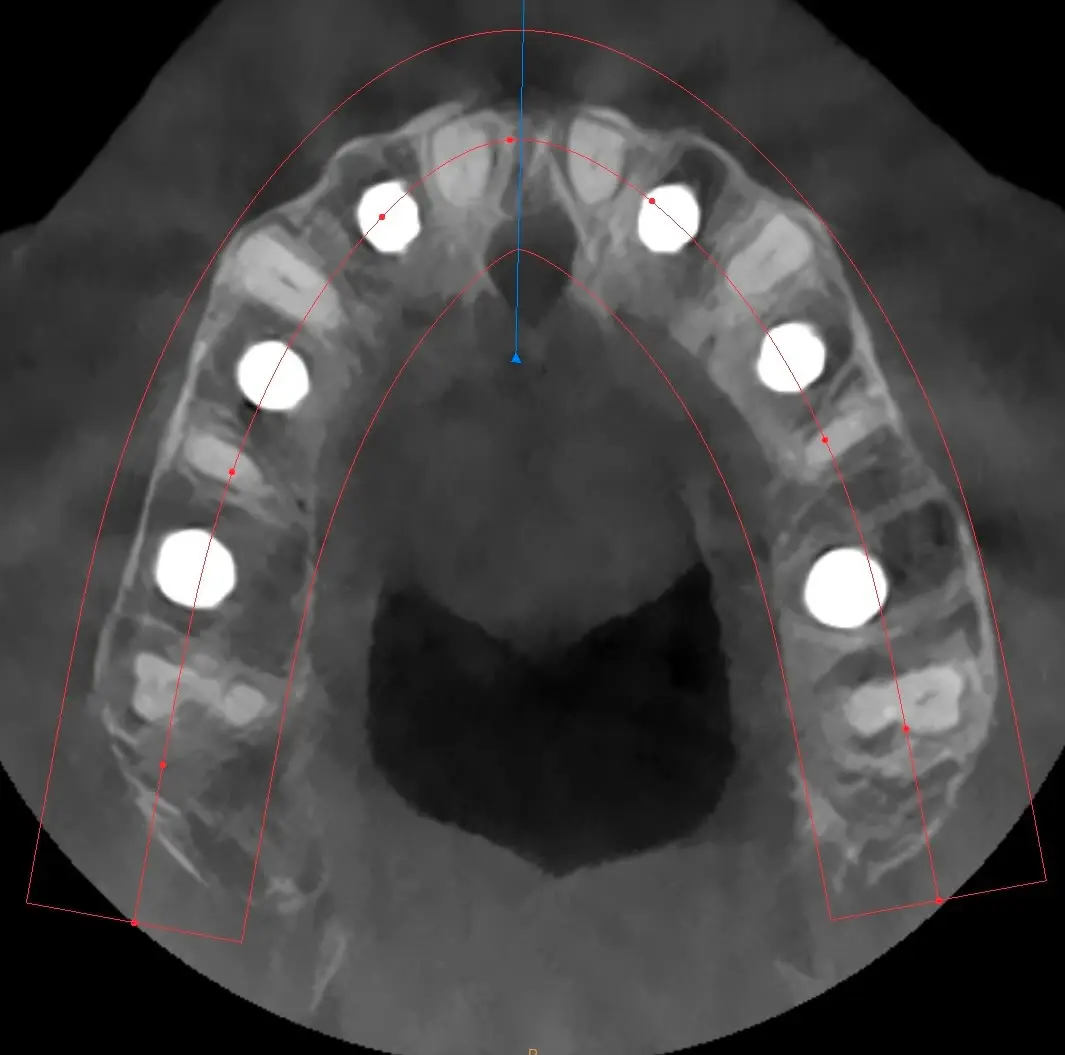
Clinical case: full maxillary rehabilitation with 6 post-extractive implants, LMSF expansion and lancet drill. Flapless, graftless.
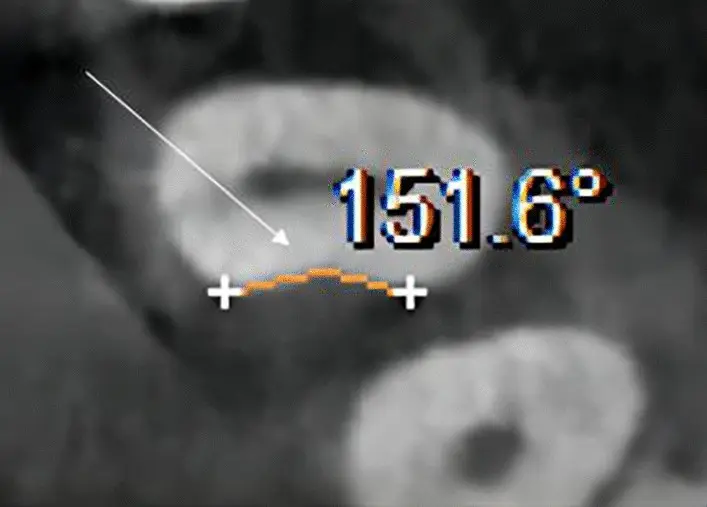
The mesial concavity of the maxillary first premolar is present in 65–100% of cases and worsens periodontitis. A CBCT study on 343 teeth explains why.
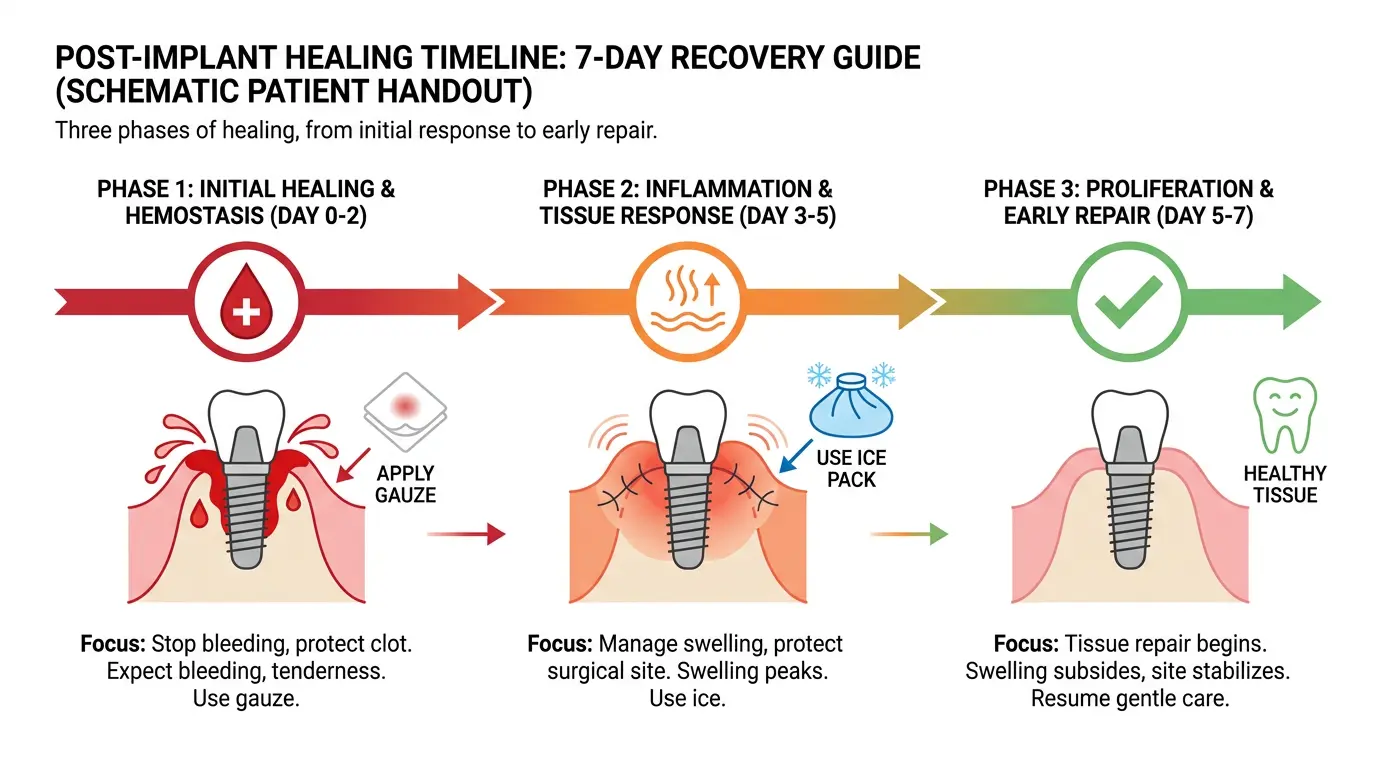
Light oozing in the first days is expected. Bright red bleeding that won't stop is not. Dr. Bruschi's guide to the first 7 days after implant placement.
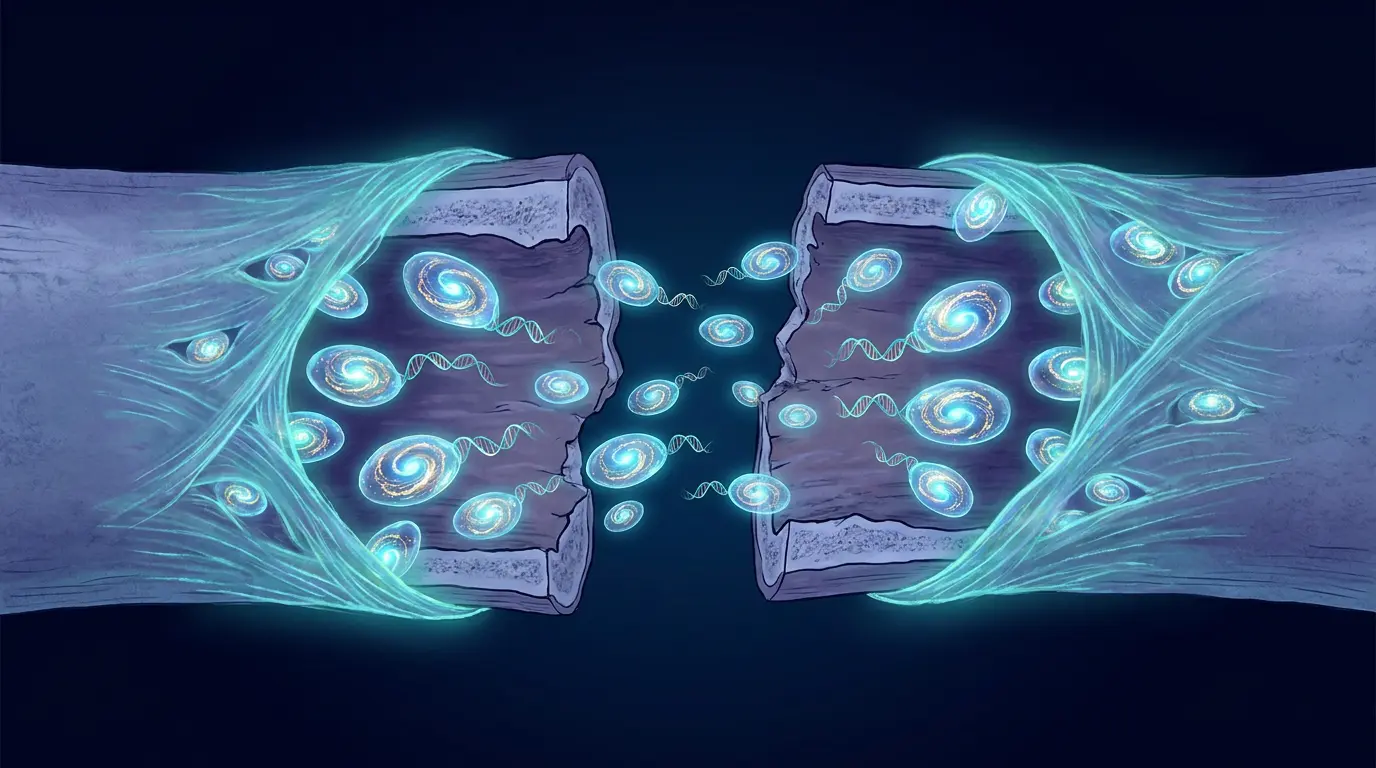
A transcription factor called BNC2 opens the chromatin of periosteal stem cells and enables bone healing. When it's missing, the fracture doesn't consolidate.
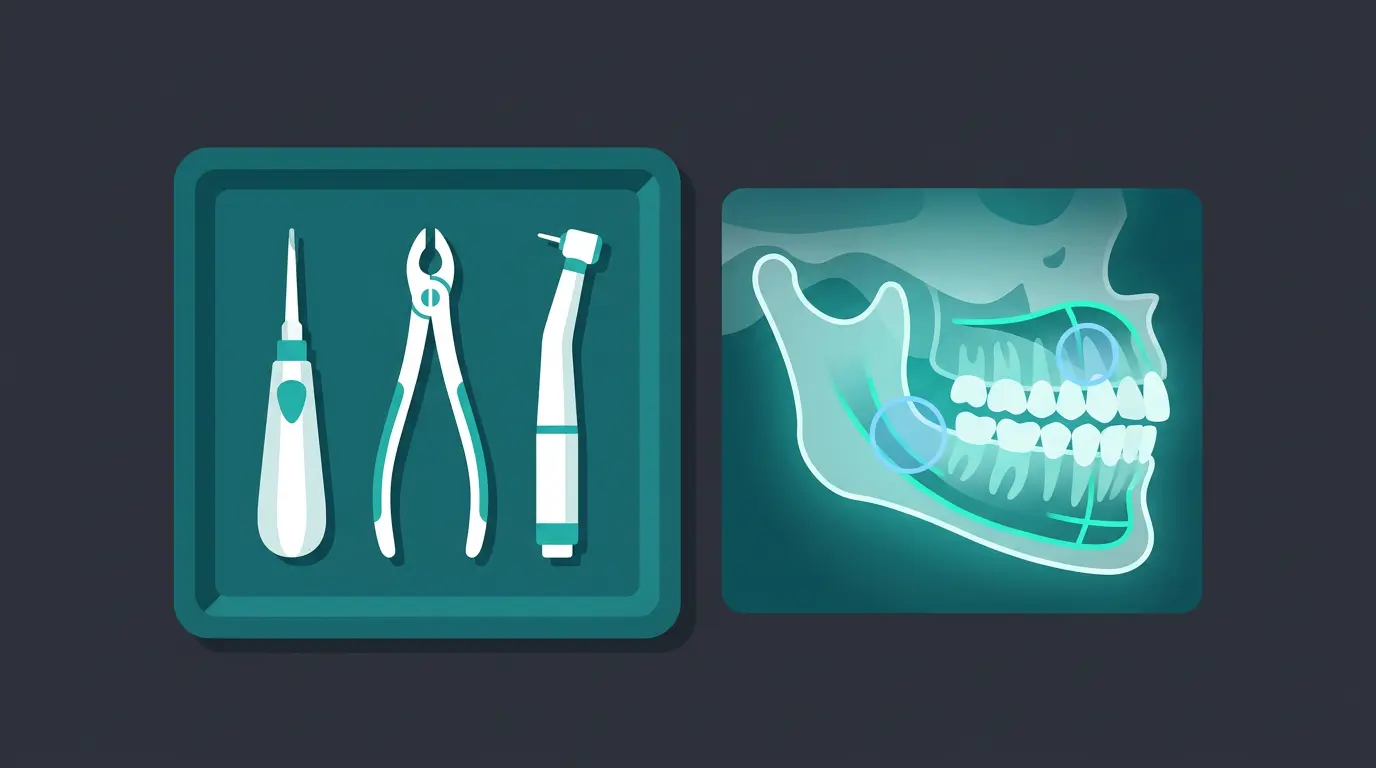
Oral surgery in Frosinone: complex extractions, wisdom teeth, cysts, apicoectomies, biopsies. Evidence-based protocols and in-office CBCT imaging.
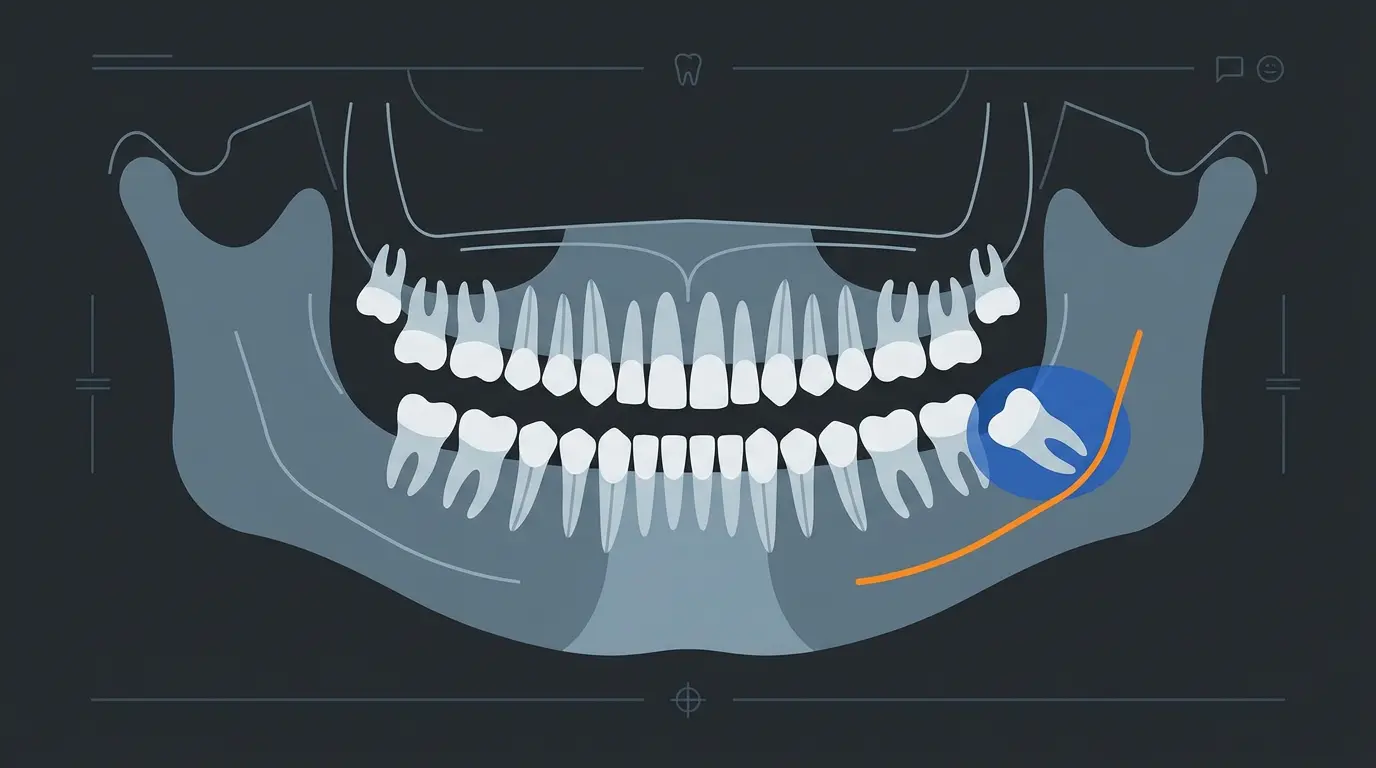
When to remove wisdom teeth and when to leave them. Real risks, coronectomy, CBCT, and post-operative recovery. Evidence-based oral surgery.
Anticoagulants, antidepressants, beta-blockers, NSAIDs: which drugs interfere with dental care? Evidence-based interaction guide.
Implant tribocorrosion is an interface phenomenon, not a titanium defect: a false problem solved by the conical connection or by one-piece implants.
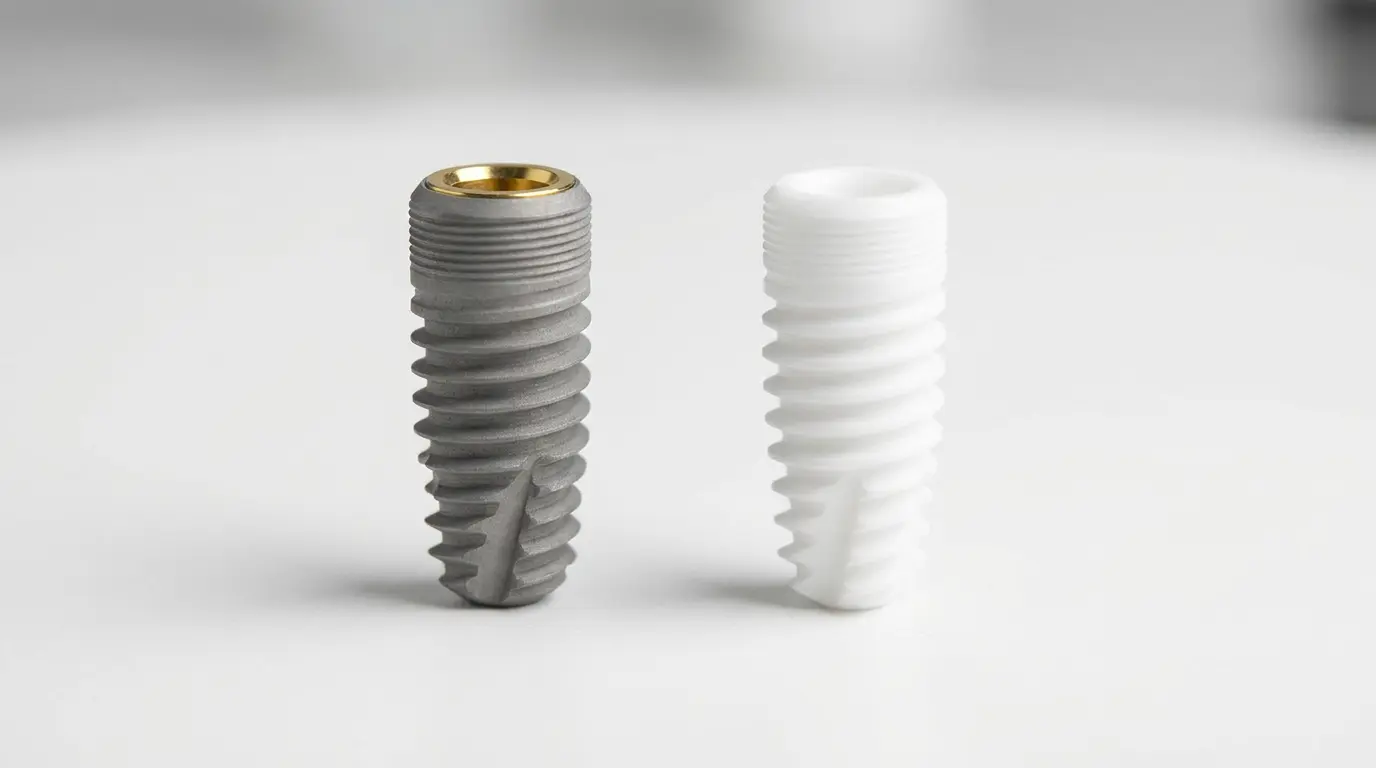
Titanium is not a toxic heavy metal. How biological dentistry uses fear to sell ceramic implants instead of titanium.
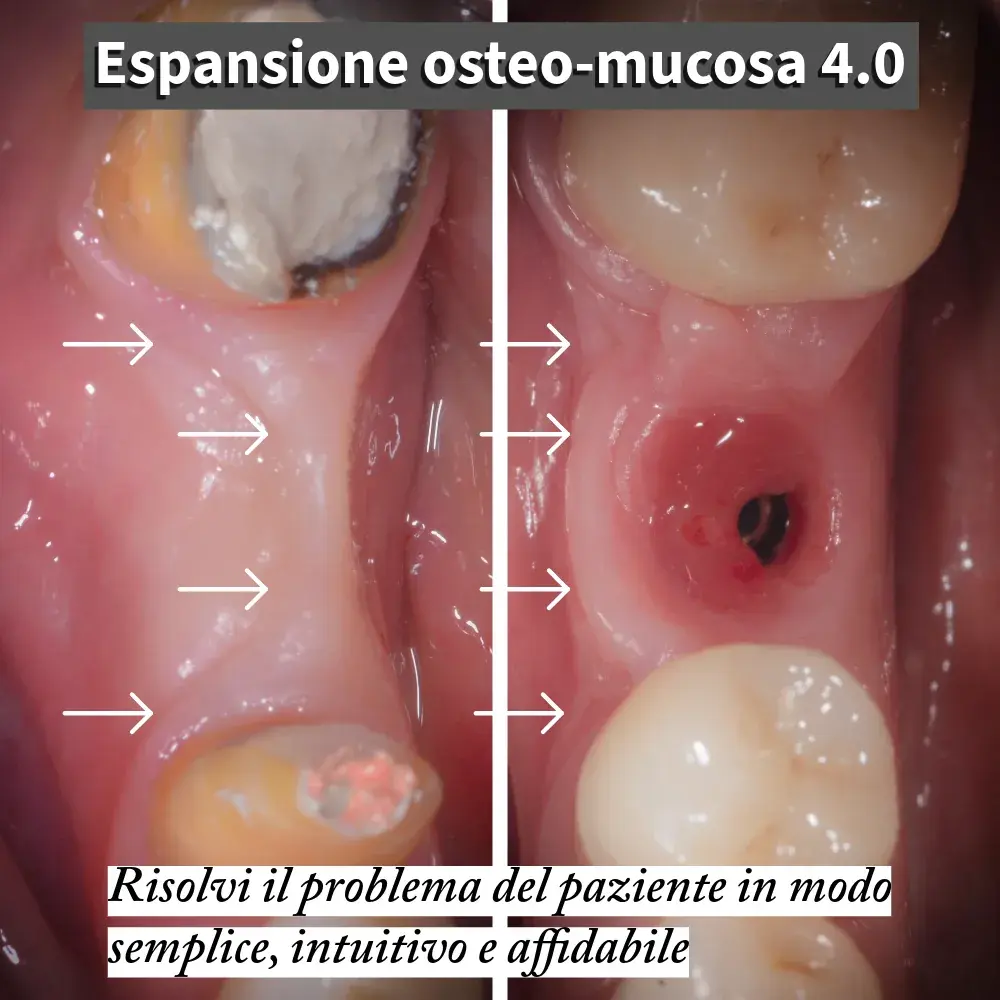
Atrophic ridge at site 4.6 with osteo-mucosal defect: Bonebending 4.0 and simultaneous implant in one session. Three-month result.
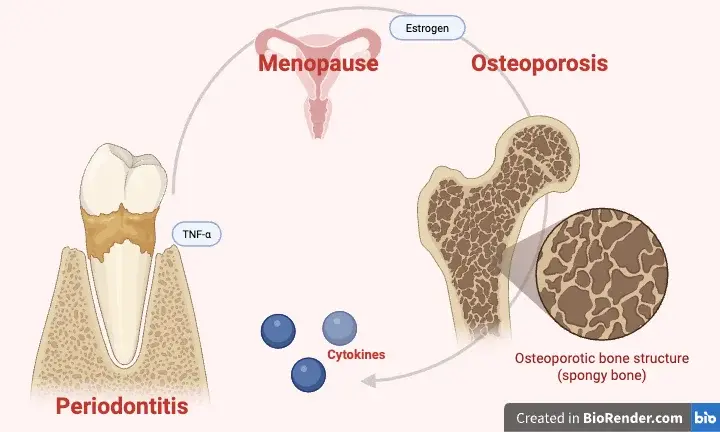
Osteoporosis and periodontitis share biology and risk factors: meta-analysis on 19,611 patients and the critical four-year window after menopause.
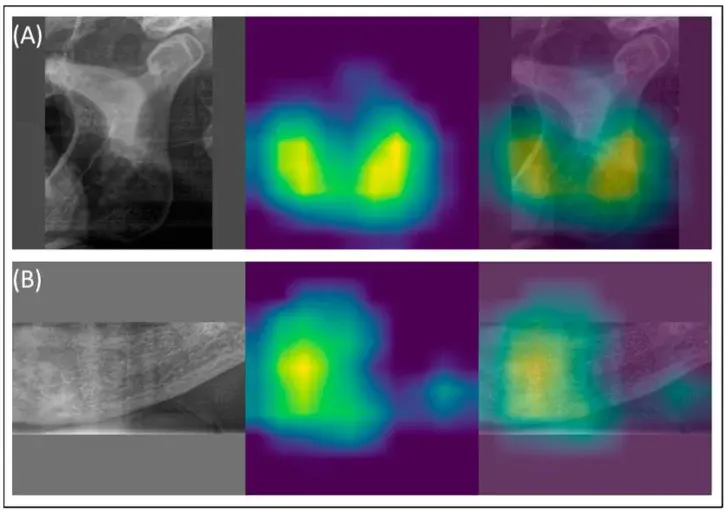
AI analyzes dental panoramic X-rays and detects osteoporosis with 88% sensitivity. Two 2024–2025 meta-analyses redefine what a routine dental visit can detect.
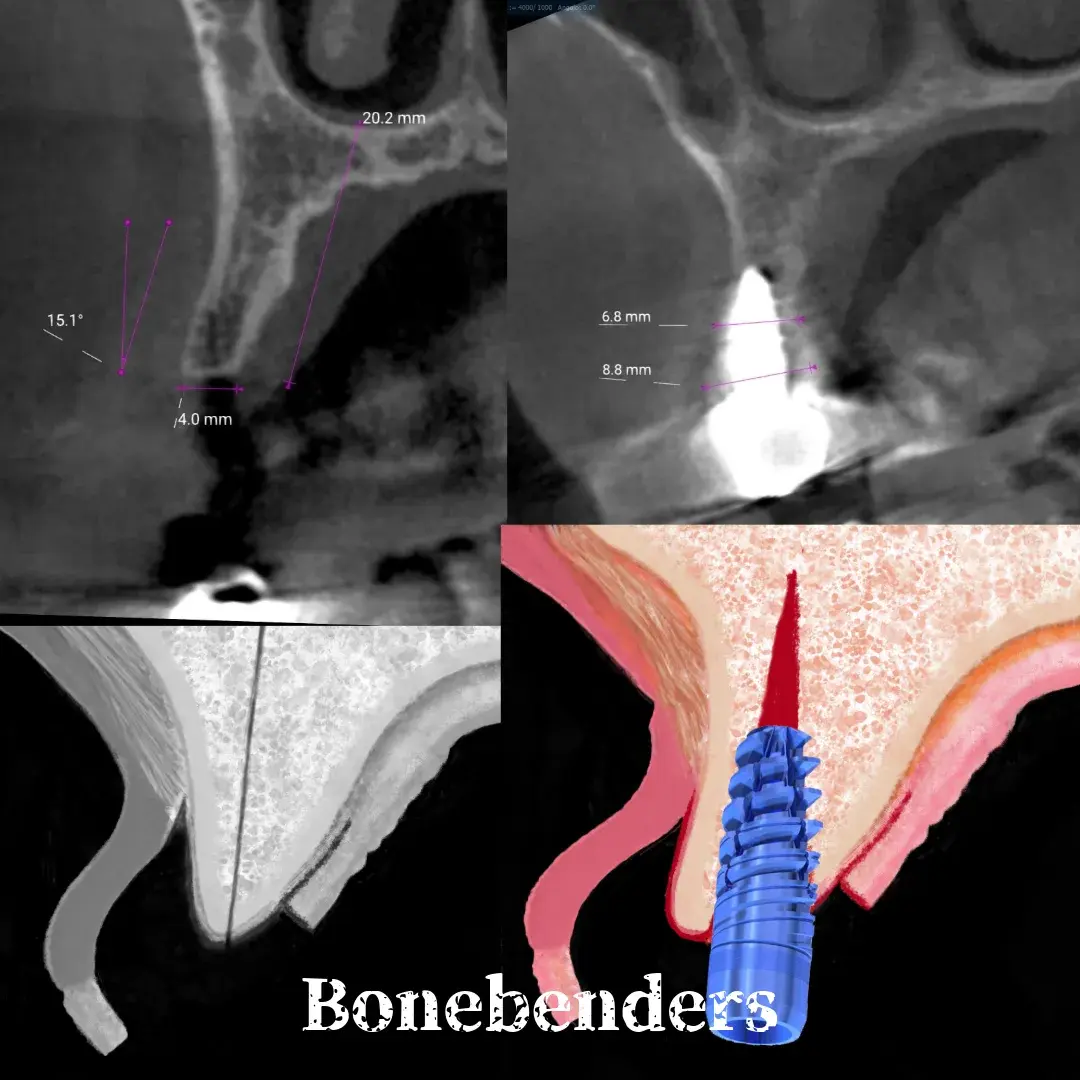
Clinical case: ERE ridge expansion with immediate implant and simultaneous regeneration. From a failing bridge to an implant in a single session.
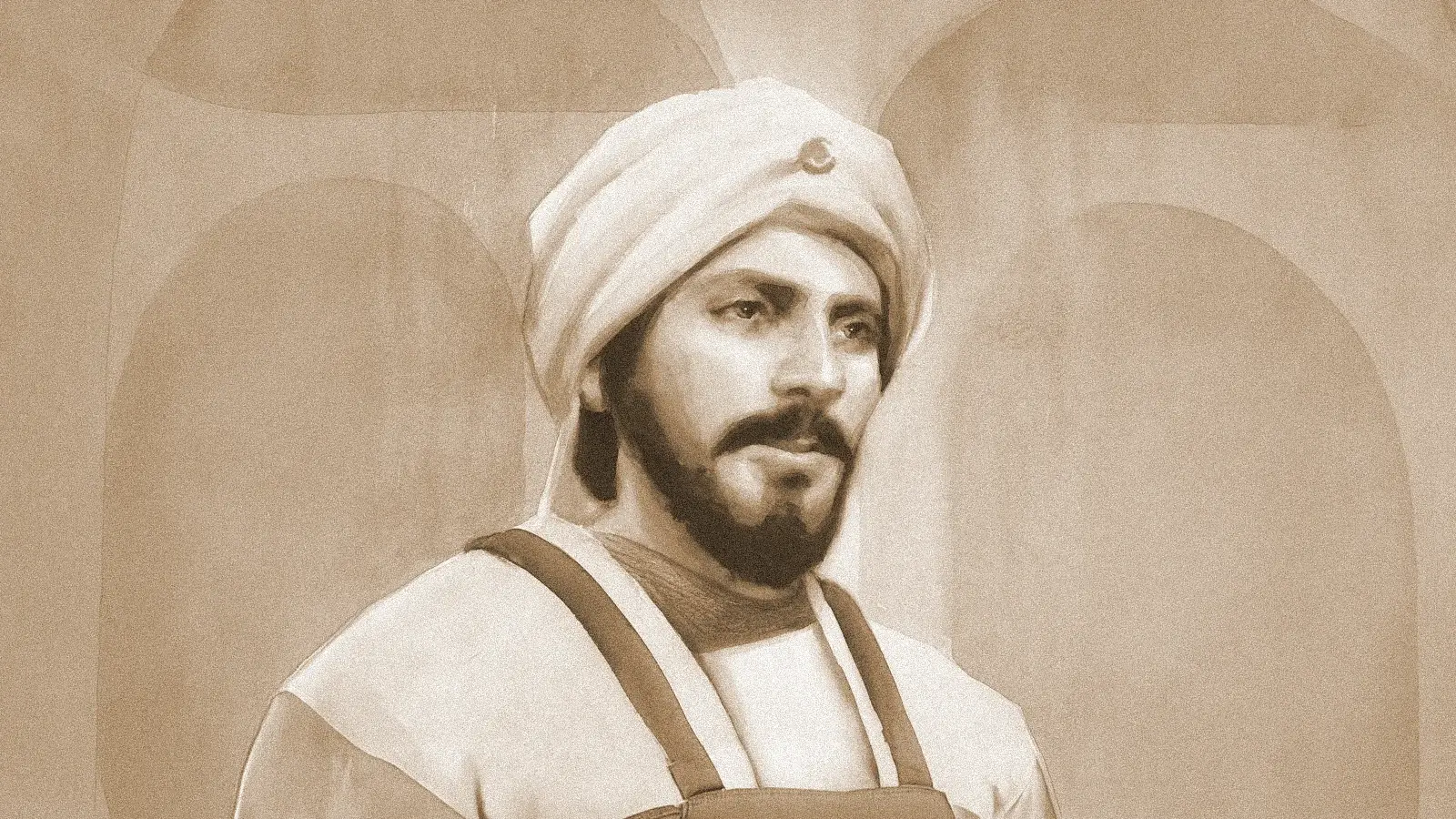
Al-Zahrawi (Albucasis), Córdoba, 10th century. In the Kitab al-Tasrif he drew 14 instruments to remove tartar. The periodontal scaler was born here.
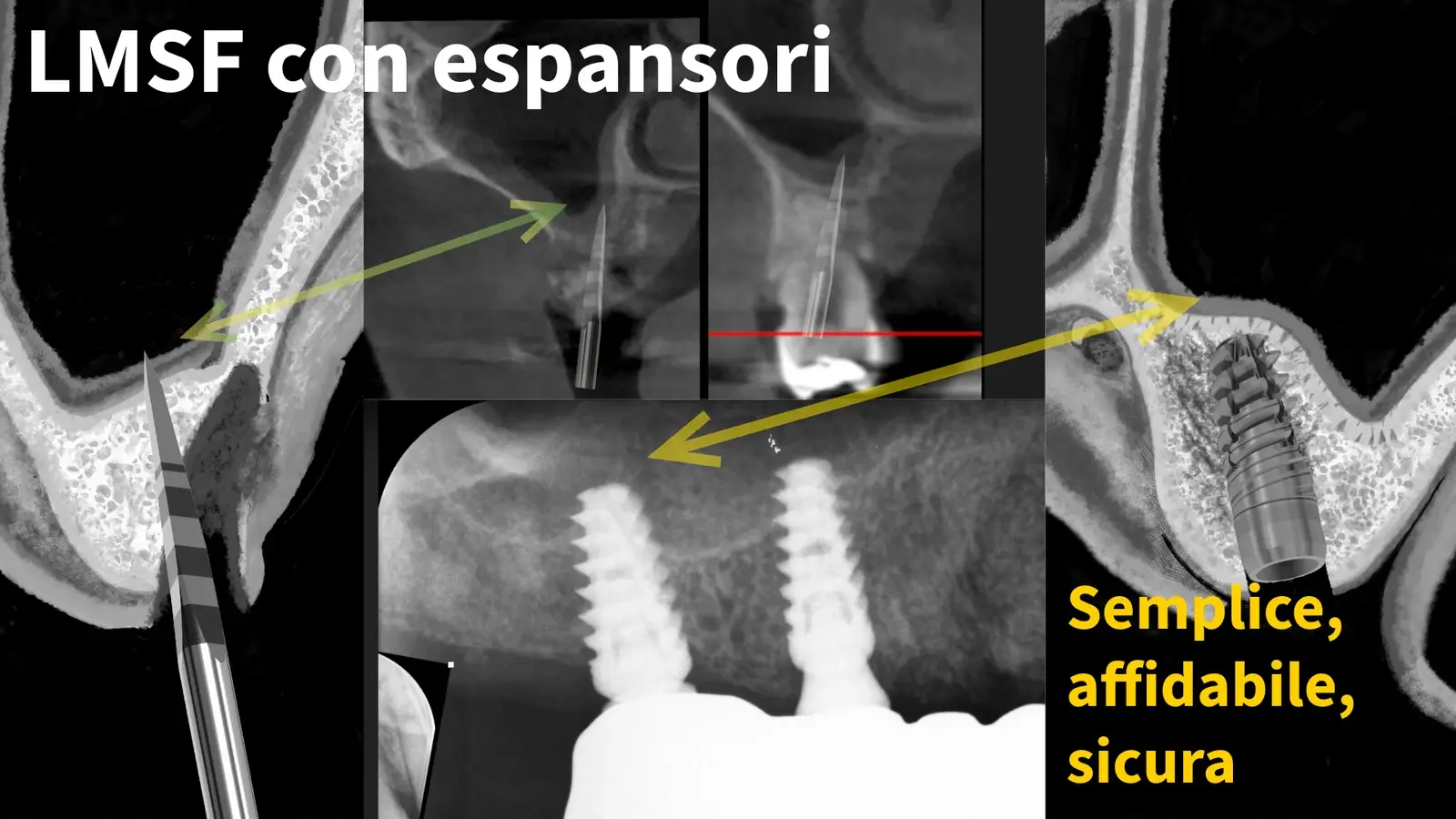
Graftless LMSF clinical case: two implants at sites 1.6/1.5 with calibrated screw expanders. Localised management of the maxillary sinus, no graft.
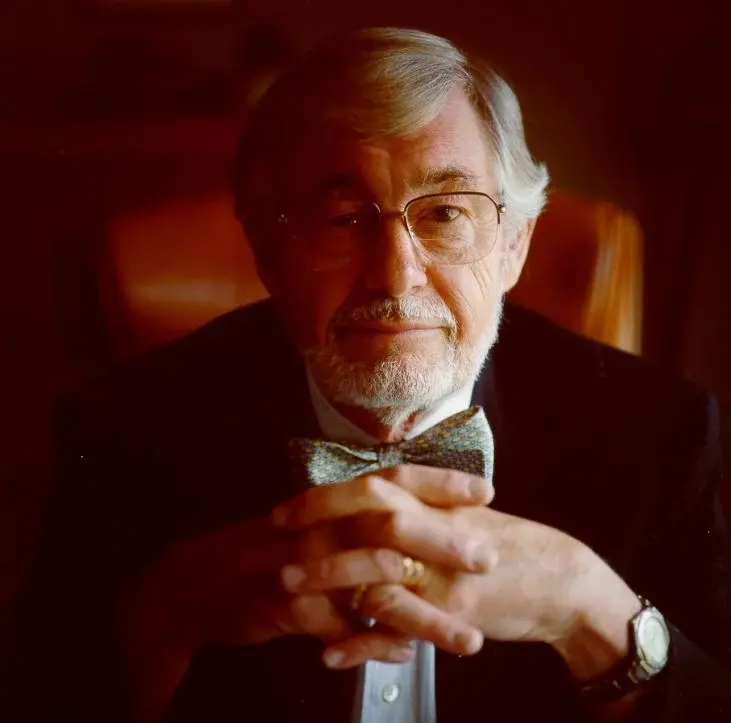
Brånemark studied rabbits. In 1952, a titanium screw wouldn't unscrew. From that moment, implant dentistry was never the same.
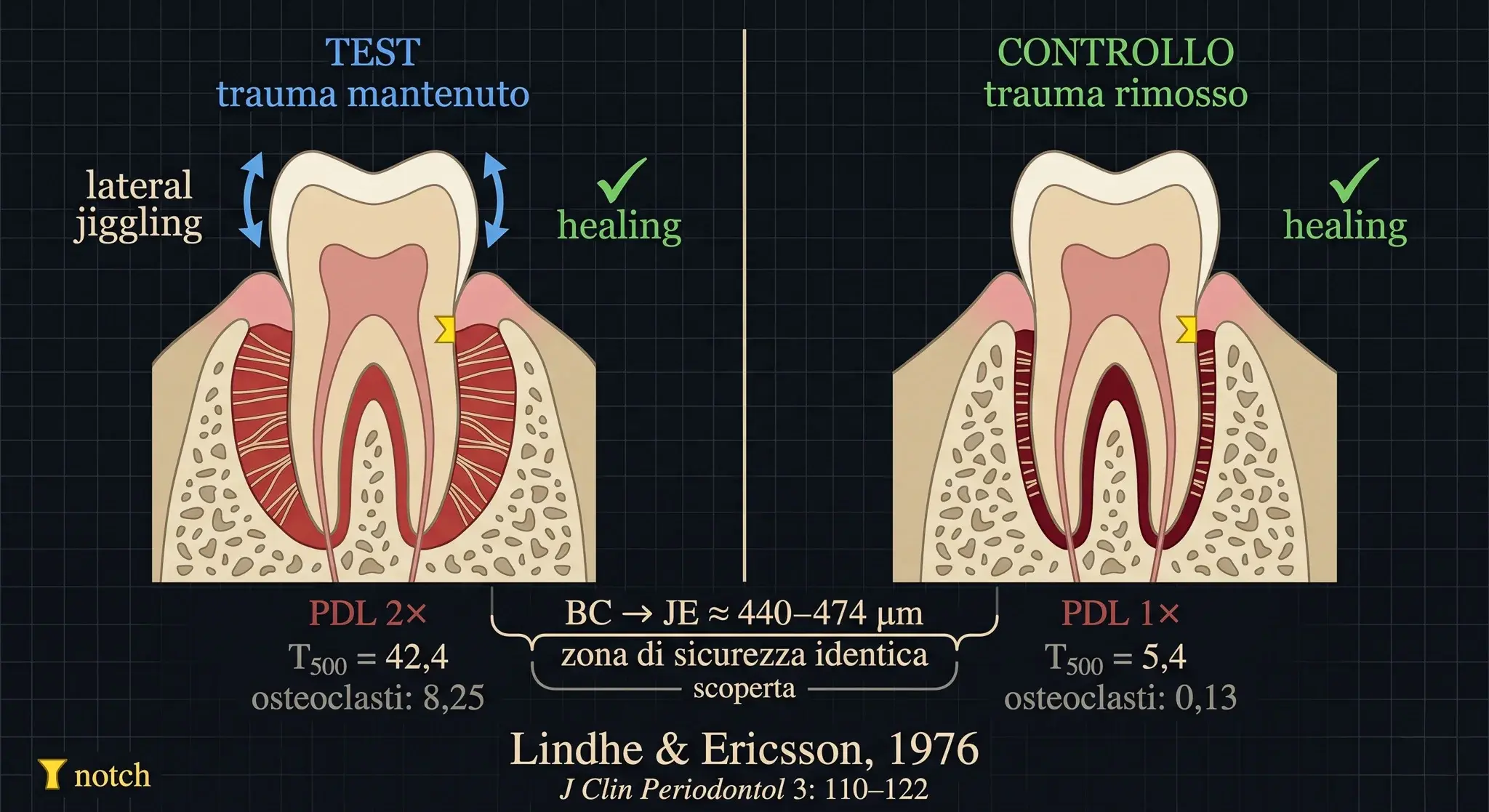
Lindhe and Ericsson (1976) demonstrate that occlusal trauma does not impair healing after periodontal surgery, provided plaque is removed.
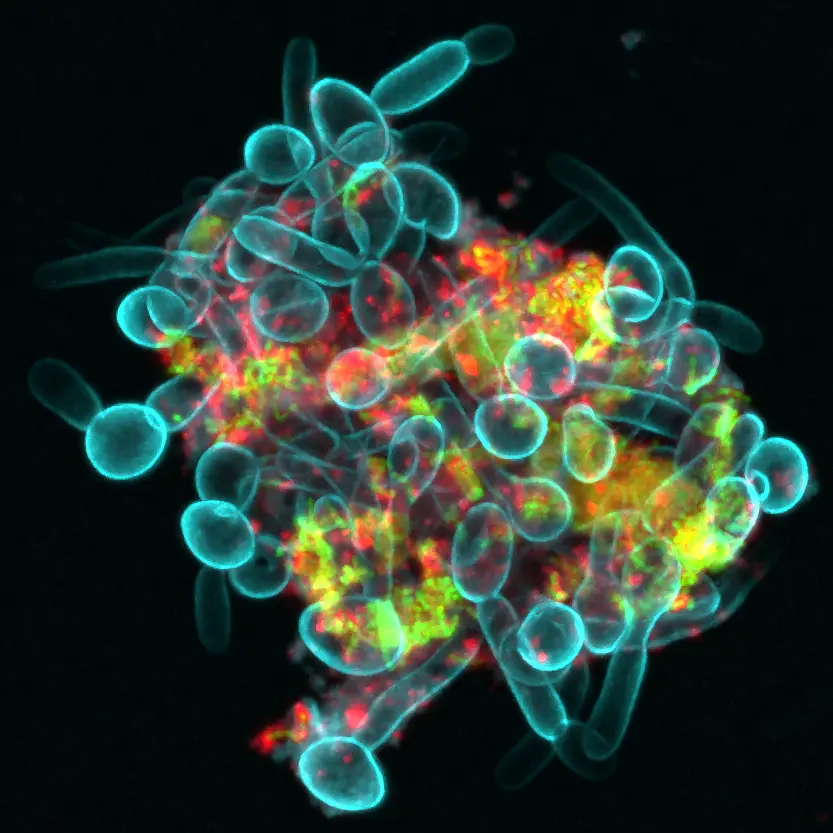
S. dentisani produces bacteriocins against S. mutans and buffers plaque acidity. A promising oral probiotic, from the mouth for the mouth.
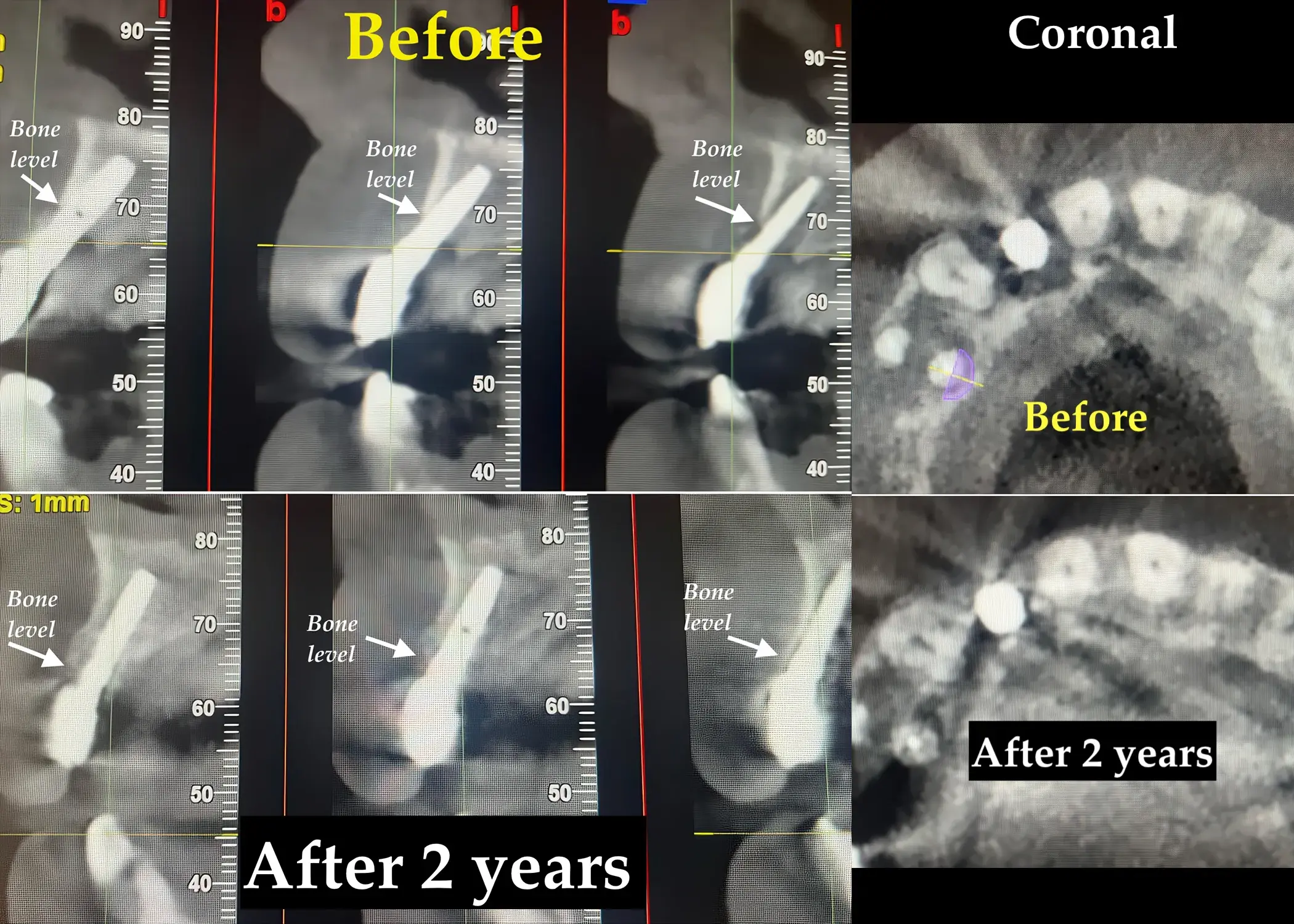
Clinical case of severe peri-implantitis treated with TST decontamination (Ten Second Technique) and guided bone regeneration. Two-year follow-up.
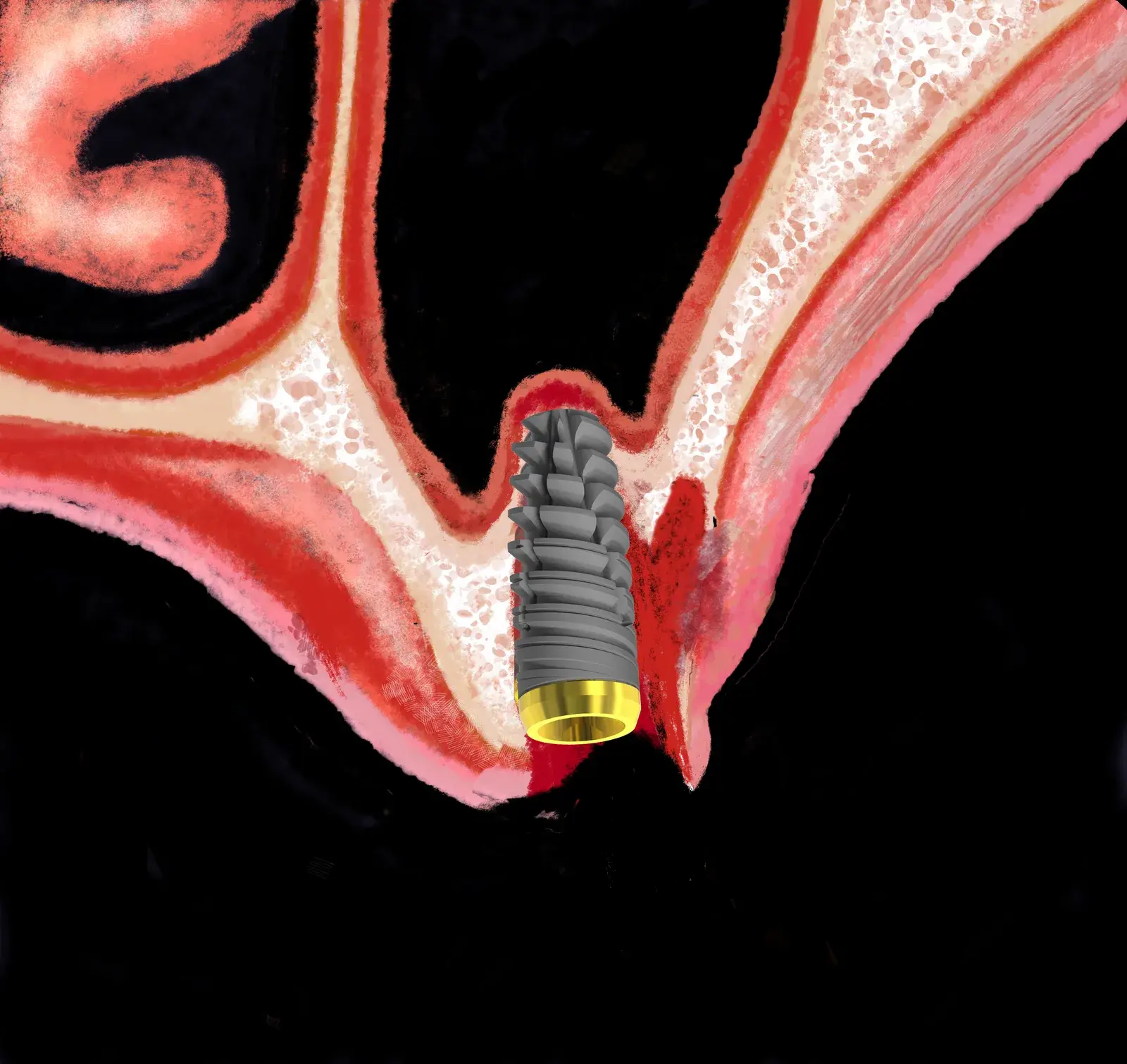
How expanders enable implant placement in post-extraction sockets with atrophic bone: biomechanical principle, surgical technique, and limits.
The Bruschi-Scipioni ERE ridge expansion: what it is, when it is indicated, what the evidence says. The pillar of bonebending.
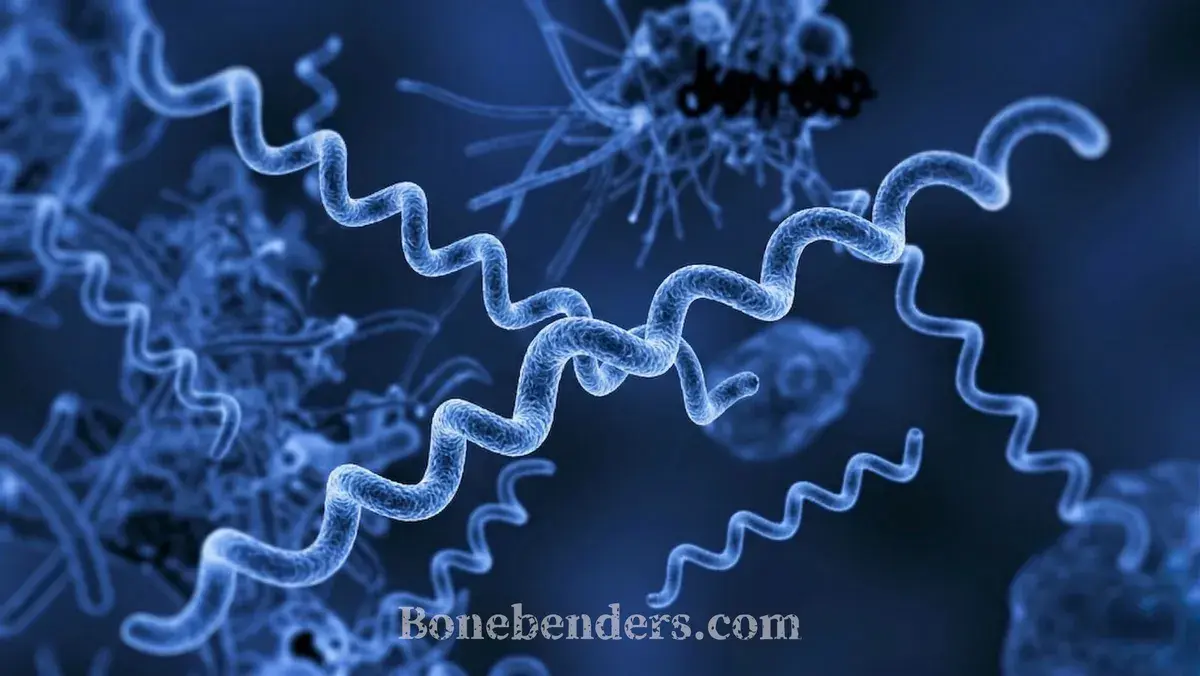
Treponema denticola, Socransky's red complex spirochete: periplasmic flagella, dentilisin and tissue invasion. The bacterium that moves.
Stage III and IV periodontitis: diagnosis, non-surgical therapy, regenerative surgery. A step-by-step evidence-based treatment protocol.
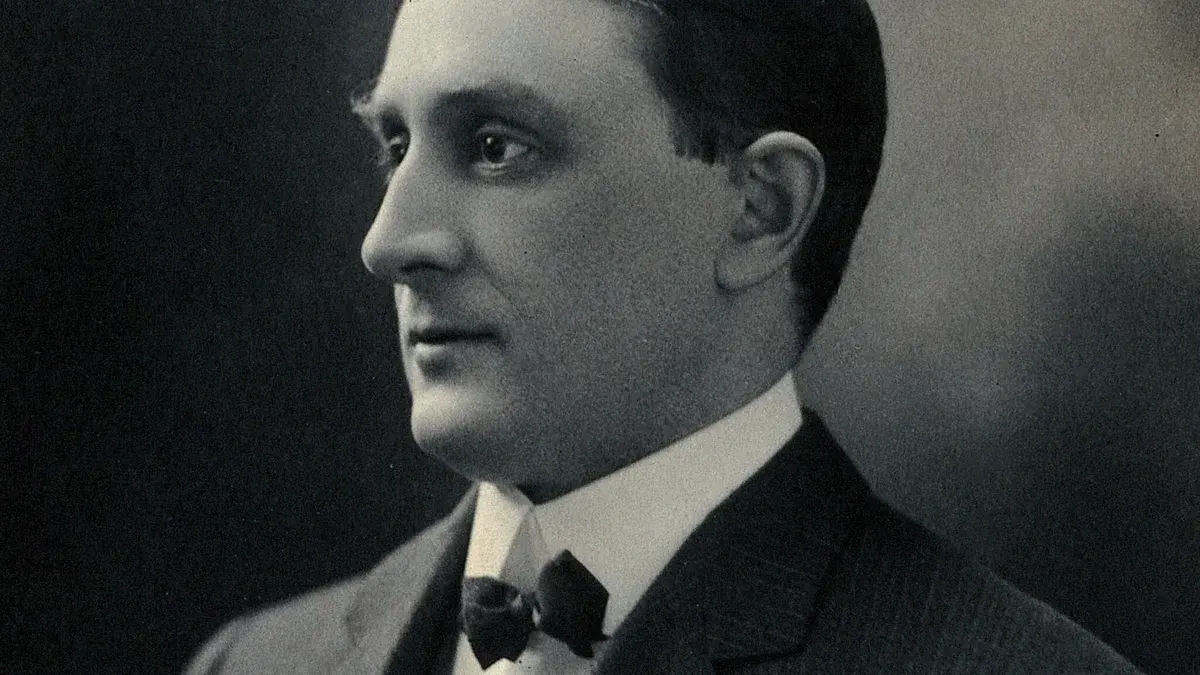
From Weston Price to Netflix's Root Cause: a century of fear around root canal teeth. What the science says and why the tooth is not dead.
Ridge expansion, GBR, sinus lift, autologous graft: which technique for which defect. Evidence and long-term outcomes.
Dental implant longevity according to long-term studies: survival rates, risk factors and what to do to make them last.
Guided bone regeneration (GBR) and autologous graft compared: when to use each. Evidence, advantages, limitations.
Not enough bone for implants? Today regeneration is possible without iliac crest harvesting. Ridge expansion, GBR, biomaterials: evidence and outcomes.
Guided tissue regeneration (GTR) recovers bone and periodontal attachment. Indications, technique, long-term results and clinical cases.
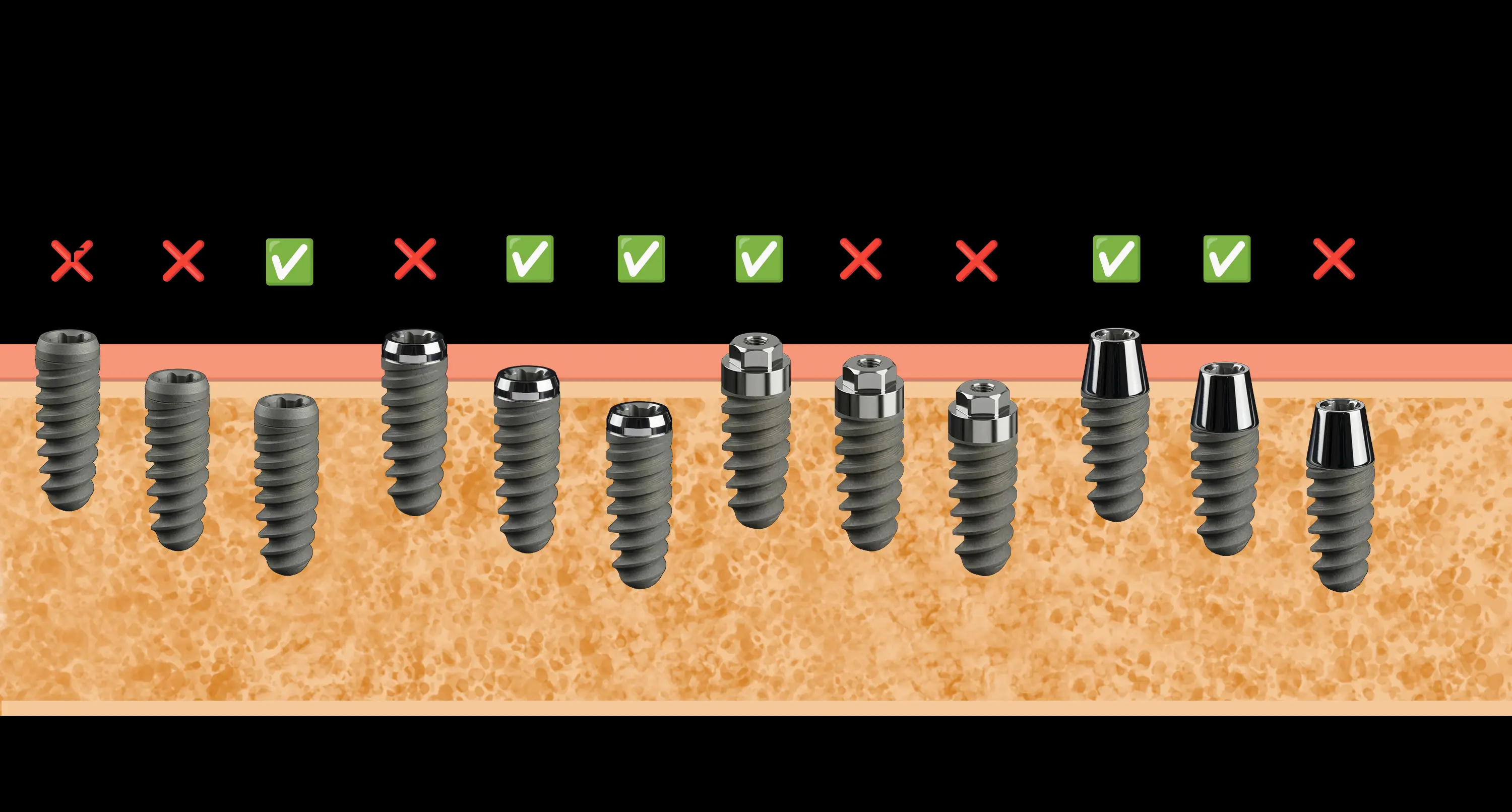
Bone-level, tissue-level, conical connection: the correct depth changes with connection type. Why getting it wrong causes bone resorption.
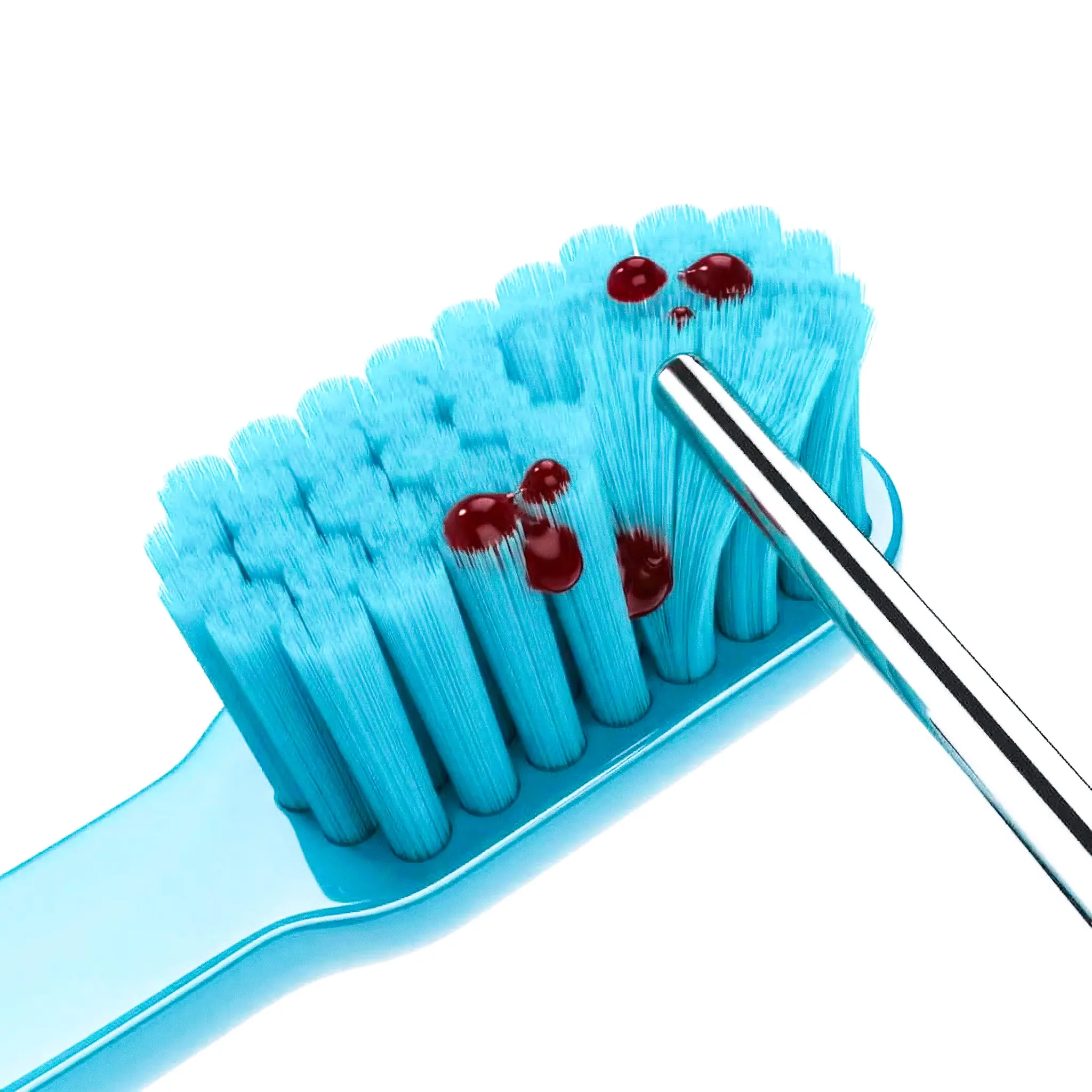
Pyorrhea is the outdated name for periodontitis. What it means, how it is diagnosed and treated today according to EFP guidelines.
Implant rejection does not exist: titanium is biocompatible. The real causes of failure and risk factors according to the literature.
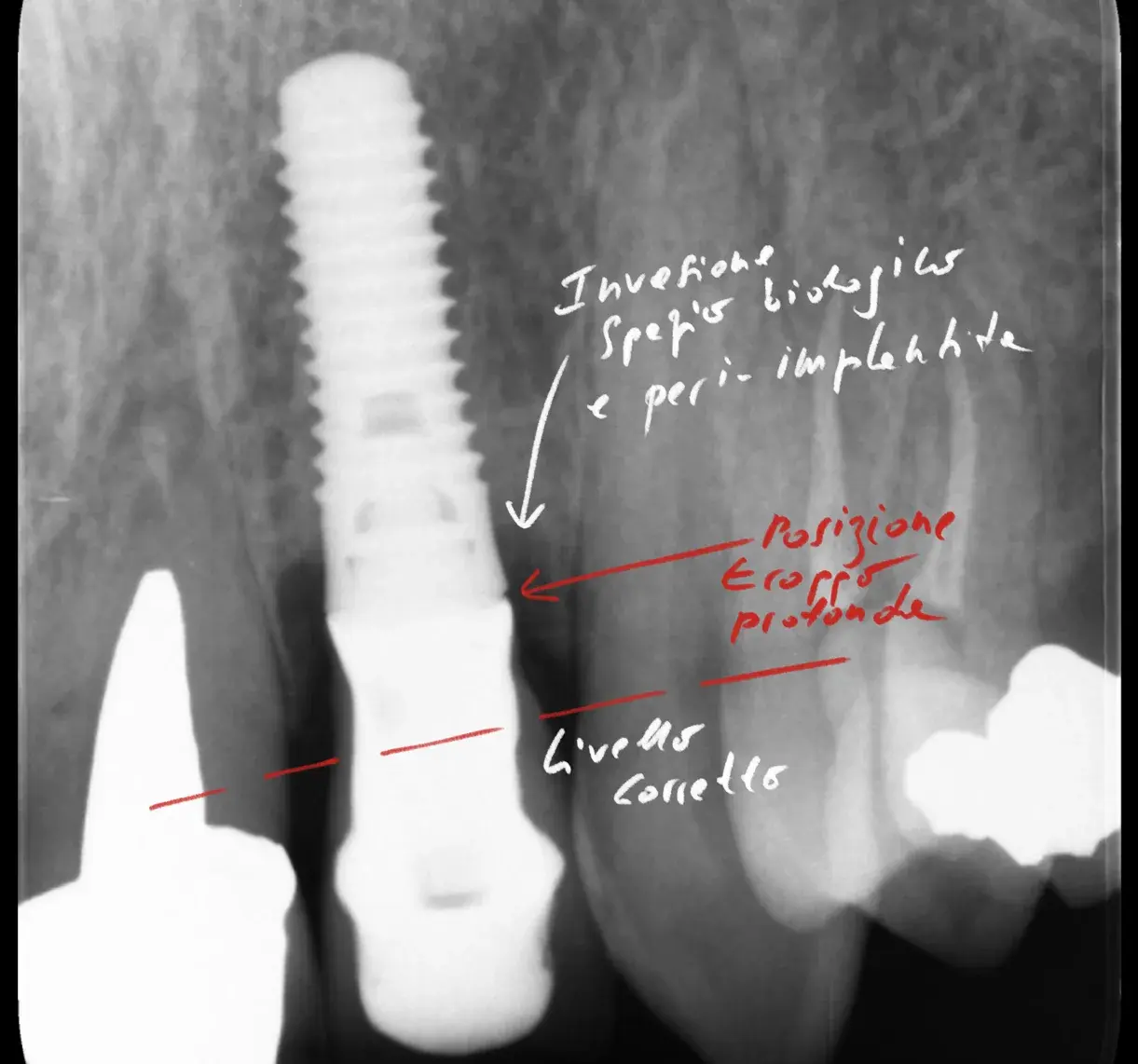
Similarities, differences and pathogenic mechanisms between peri-implantitis and periodontitis microbiota. A literature review.
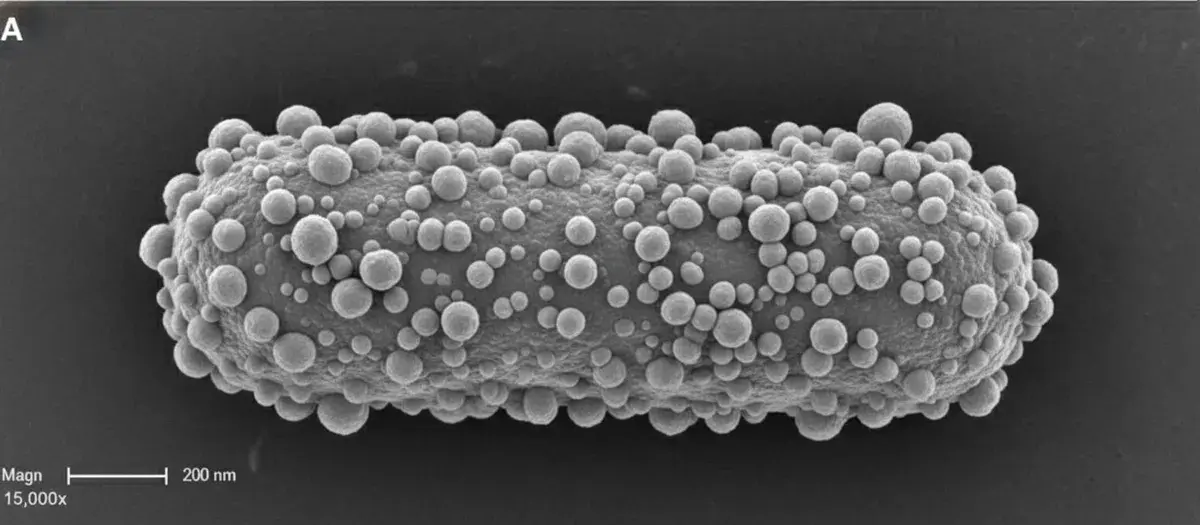
P. gingivalis from periodontitis found in Alzheimer's brains. Gingipains correlate with disease markers. Evidence and mechanisms.
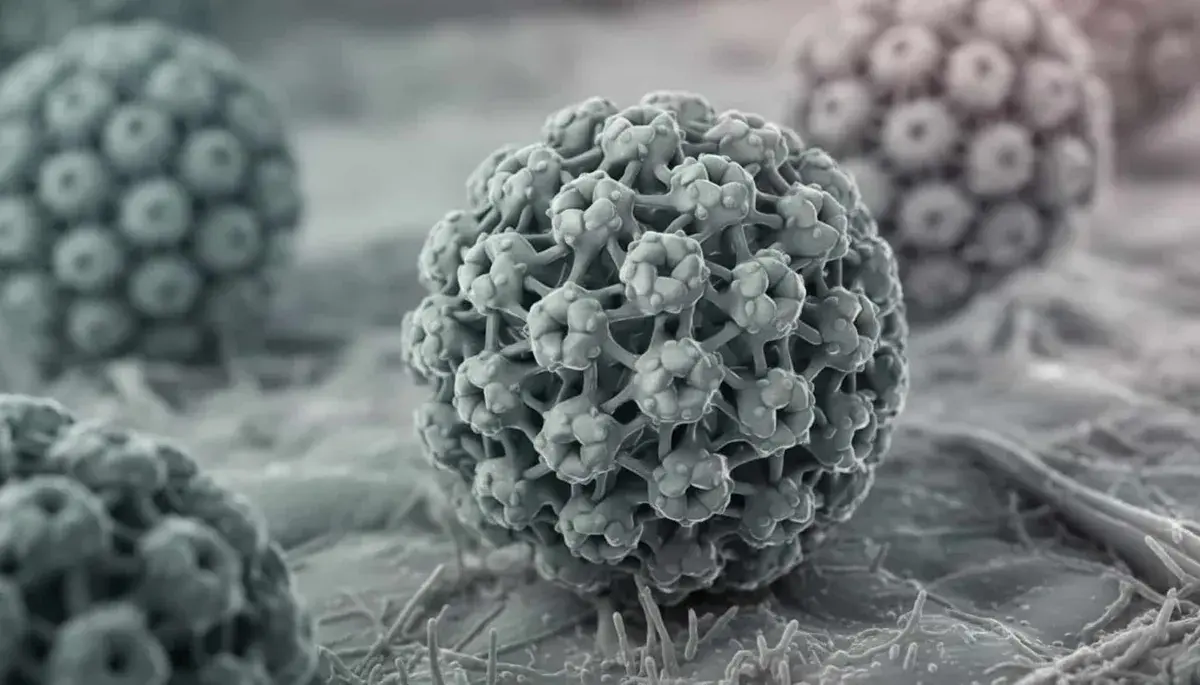
Oral HPV: how it spreads, which strains cause oral lesions, the link with oropharyngeal cancer and prevention strategies.
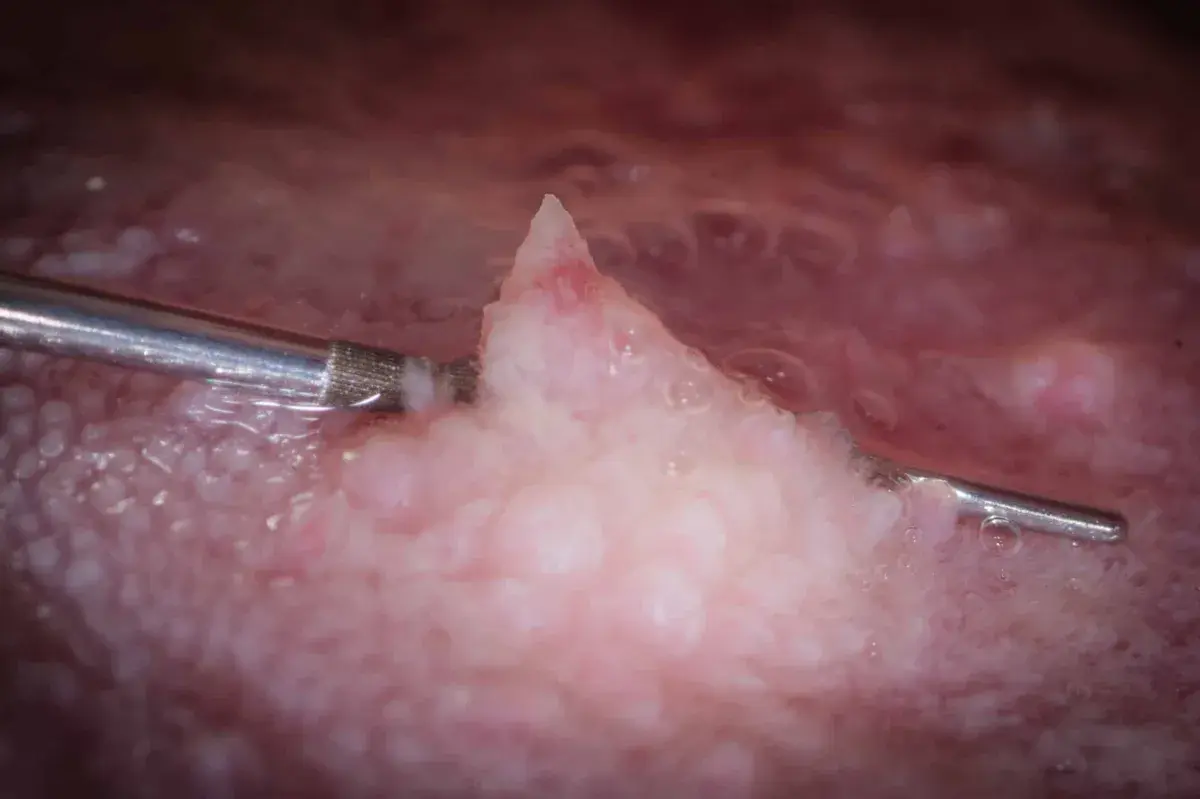
Lingual papilloma after a second HPV dose: regression in 48 hours. Strong prevention, rare therapeutic effect. What Cochrane and recent reviews say.
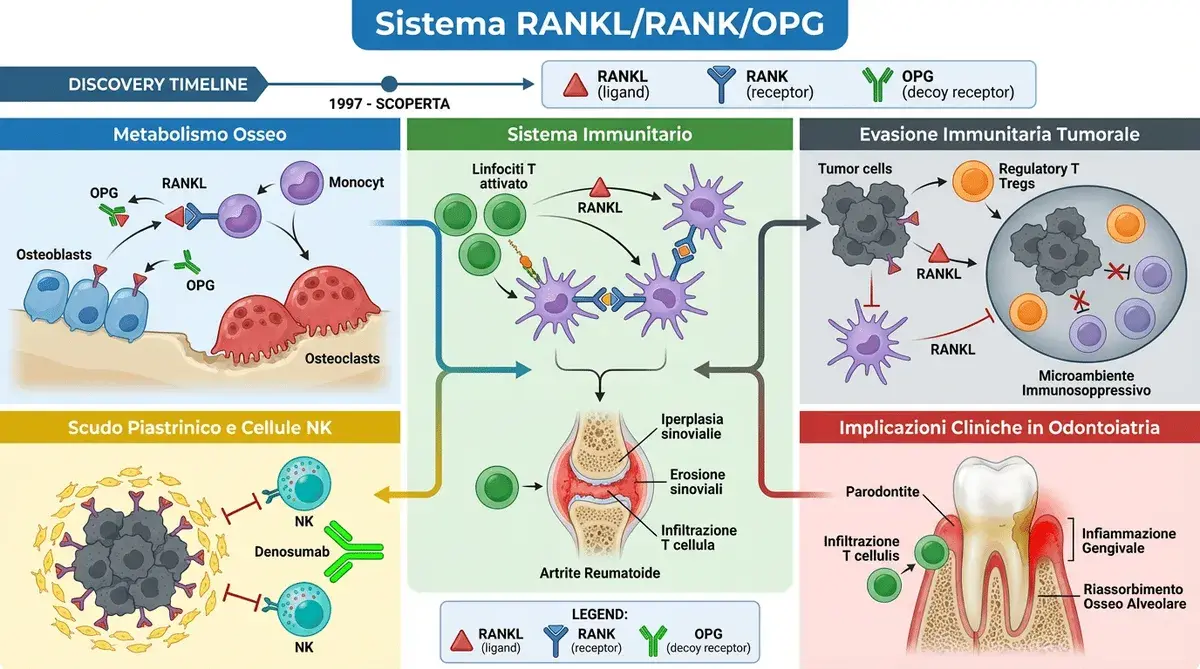
RANKL, RANK and OPG: the molecules that govern bone remodeling and immunity — and why they matter in periodontics and implant dentistry.
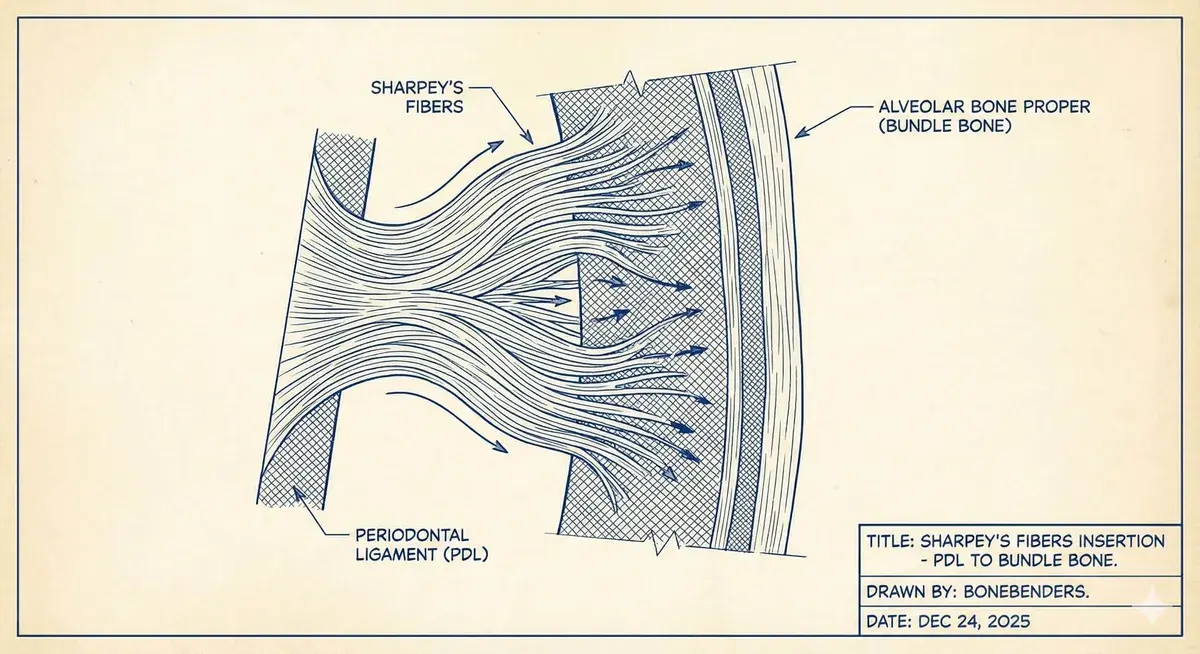
Alveolar bone holds your teeth and your implants. After extraction it shrinks in predictable ways. Anatomy, causes, and what the data say about rebuilding.
Marriage and remaining teeth: 2025 data on 21,745 older adults. Associations, not causes. Hygiene, income and stress weigh more than a certificate.
Three phases of osseointegration: blood wets the implant, cells arrive, bone grows. What the data actually say about hydrophilic surfaces.
Lariocidin, a lasso-peptide antibiotic published in Nature, targets a new ribosome site never hit by any other antibacterial drug.
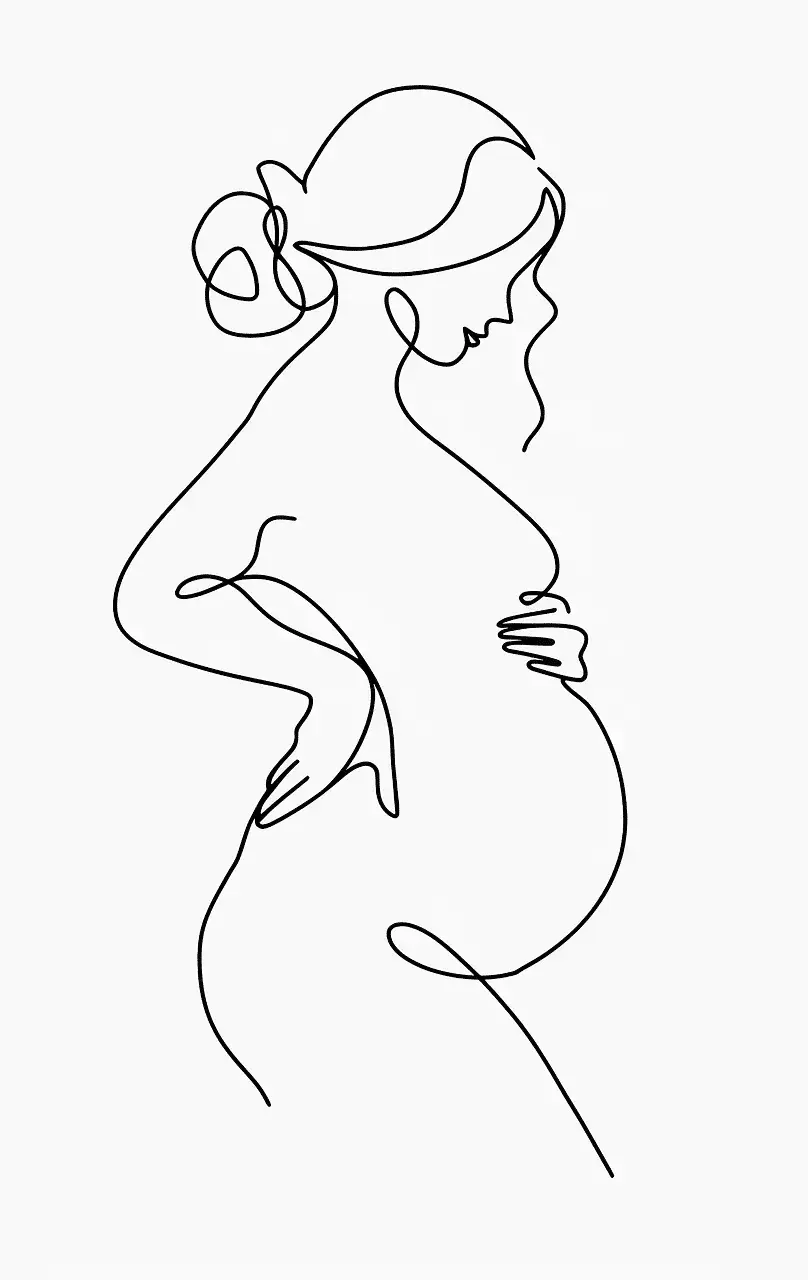
Periodontitis and pregnancy: gingival inflammation, risk of preterm birth and low birth weight. Why oral health matters during pregnancy.
Your mouth is intimate territory. 64% of Italians fear the dentist. Conservative techniques remove what scares people most: grafts, pain, long recovery.
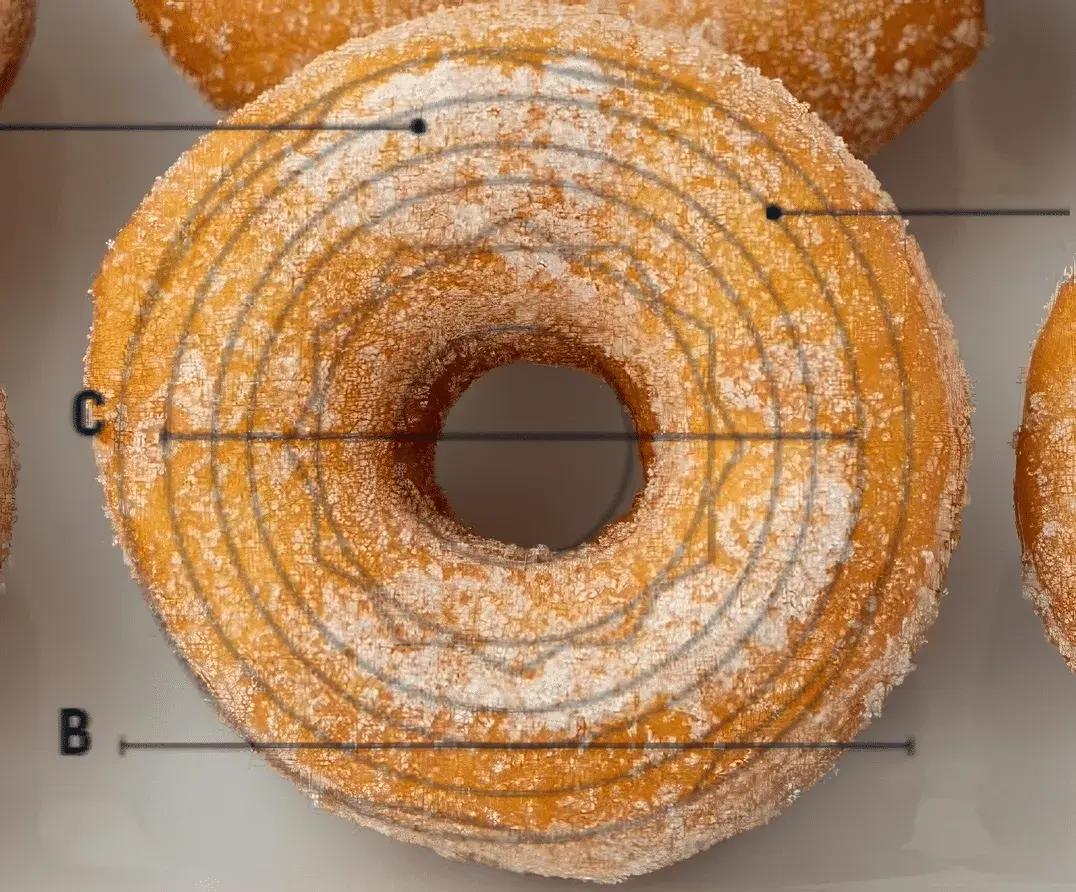
Dental implants: do they really hurt? What to expect from recovery and how modern techniques keep post-op pain to a minimum.
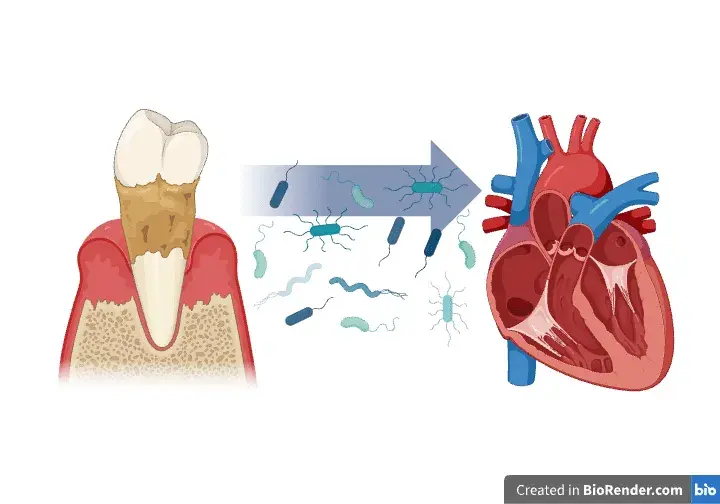
Oral health shapes the heart, brain, and body. Dental bacteria can turn into silent killers. Here is why.
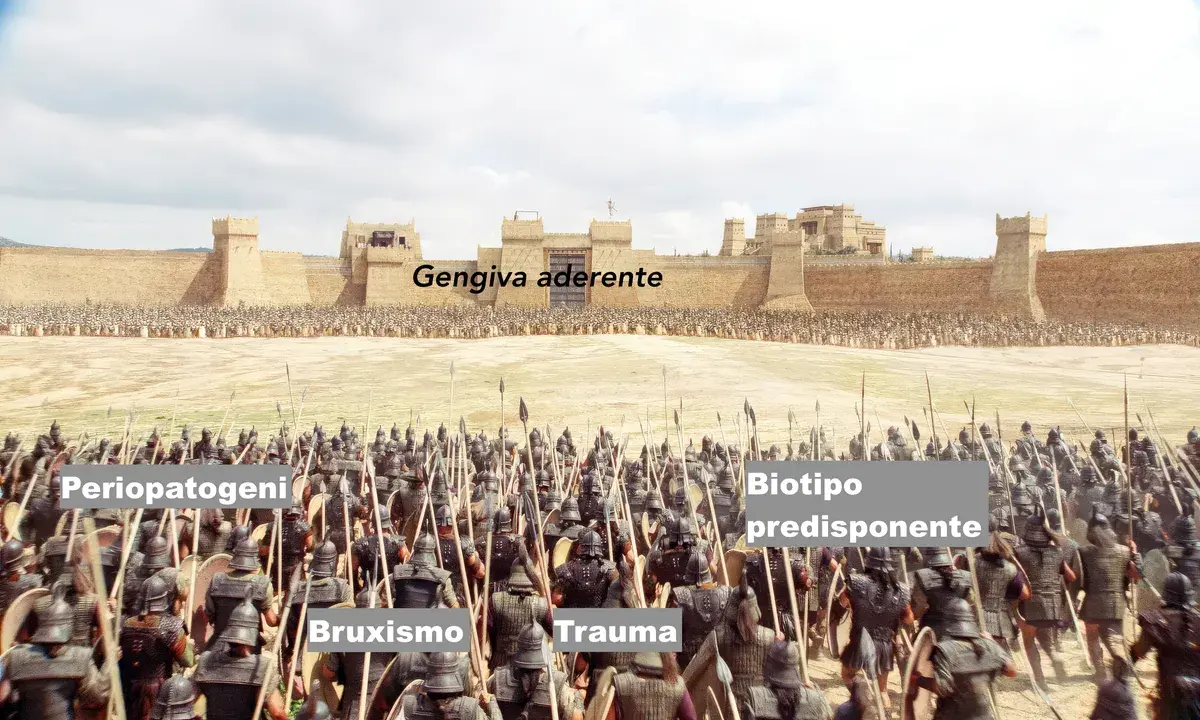
Connective tissue graft is the gold-standard fix for gum recession, rebuilding the keratinized barrier that protects exposed tooth roots.
Implant or bridge? Cost, longevity, risk and benefit compared — a specialist guide to choosing the right solution for your clinical situation.
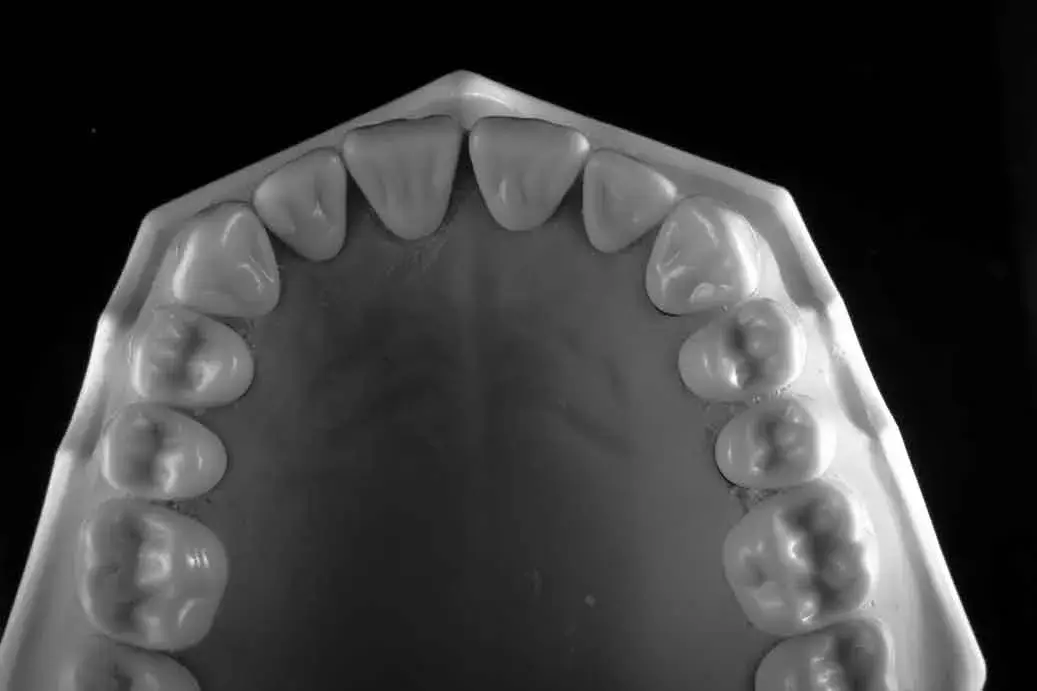
Why do front teeth shift after you lose a molar? Discover how losing a back tooth quietly throws off the whole dental arch.
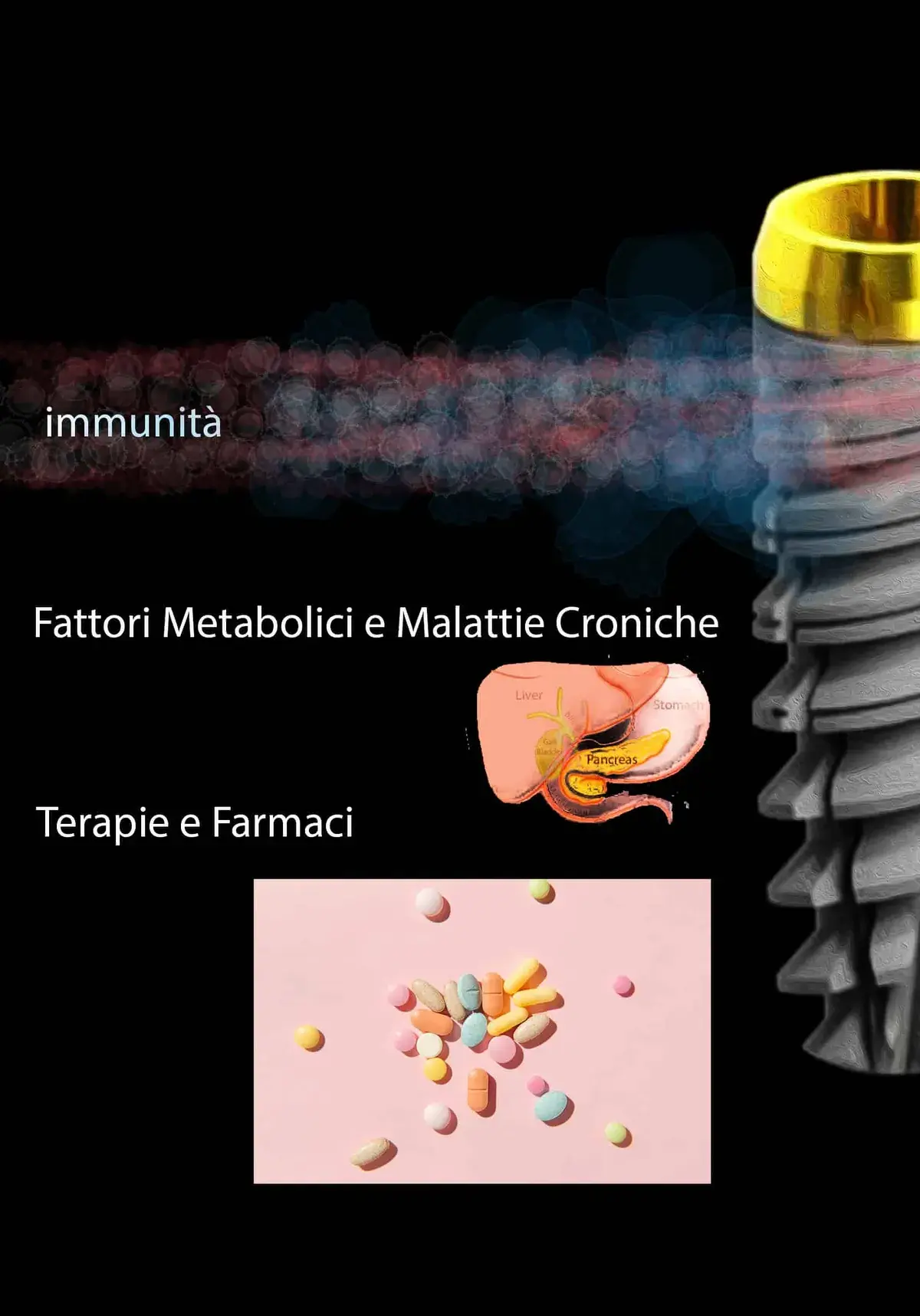
Dental implant failure biology: macrophages, metabolism, and drugs. A risk-factor guide to protect osseointegration.
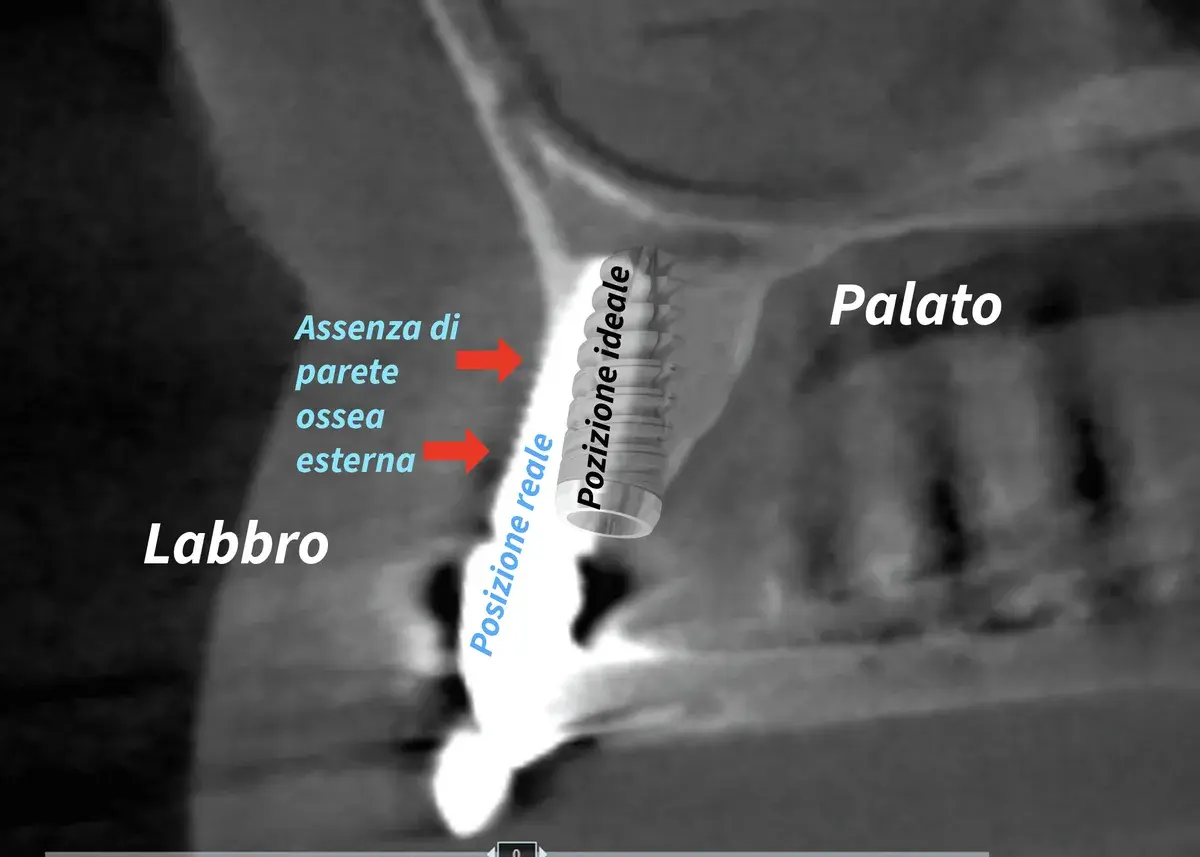
A malpositioned dental implant loses 0.25 mm of bone per 10° of angular error. Symptoms, when it's fixable, and when it must be removed.
Post-op pain peaks 5-6h after oral surgery. NSAIDs plus paracetamol beat opioids; pre-emptive analgesia and bupivacaine widen the pain-free window.

Real story of dental tourism: healthy teeth ground down abroad for cheap crowns, then halitosis and infection. Manuela's rescue cost triple.
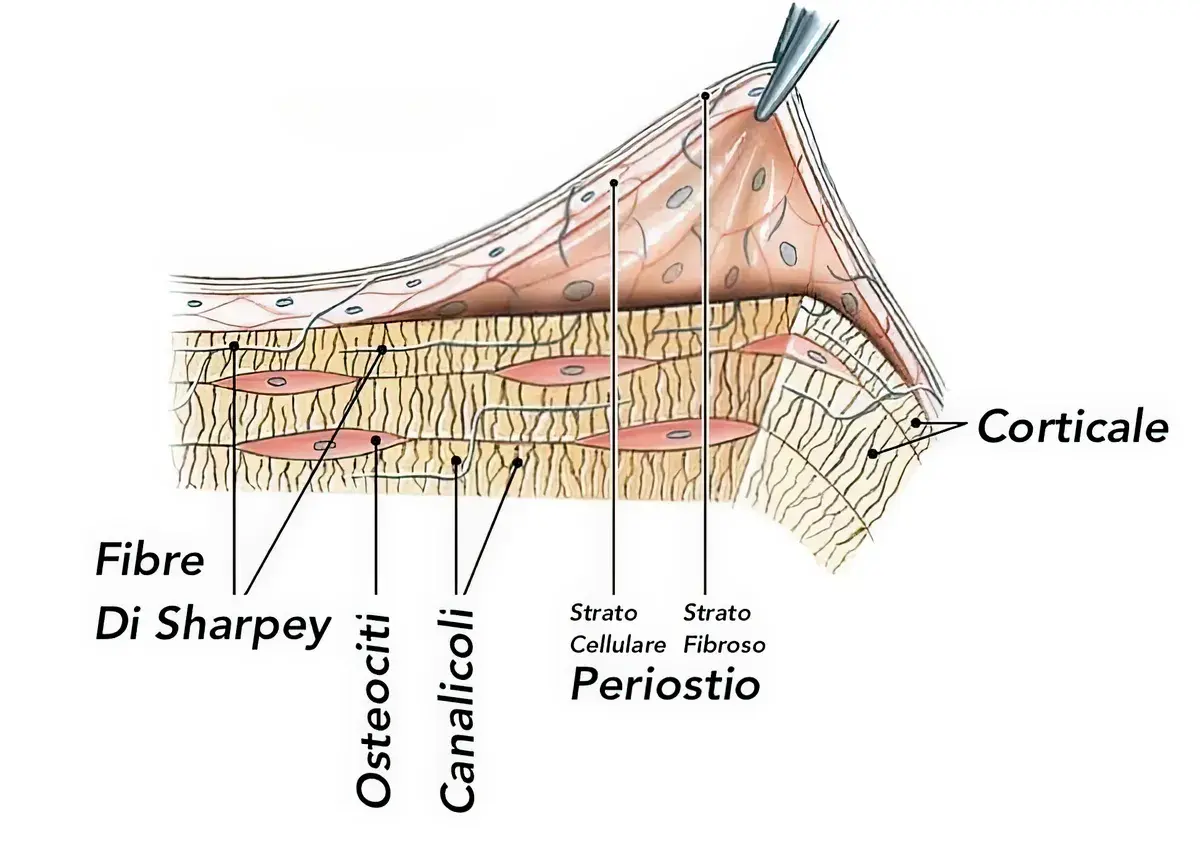
Split crest works only with a partial-thickness flap. Strip the periosteum and the mobilized cortex resorbs. The evidence, the instruments, the biology.
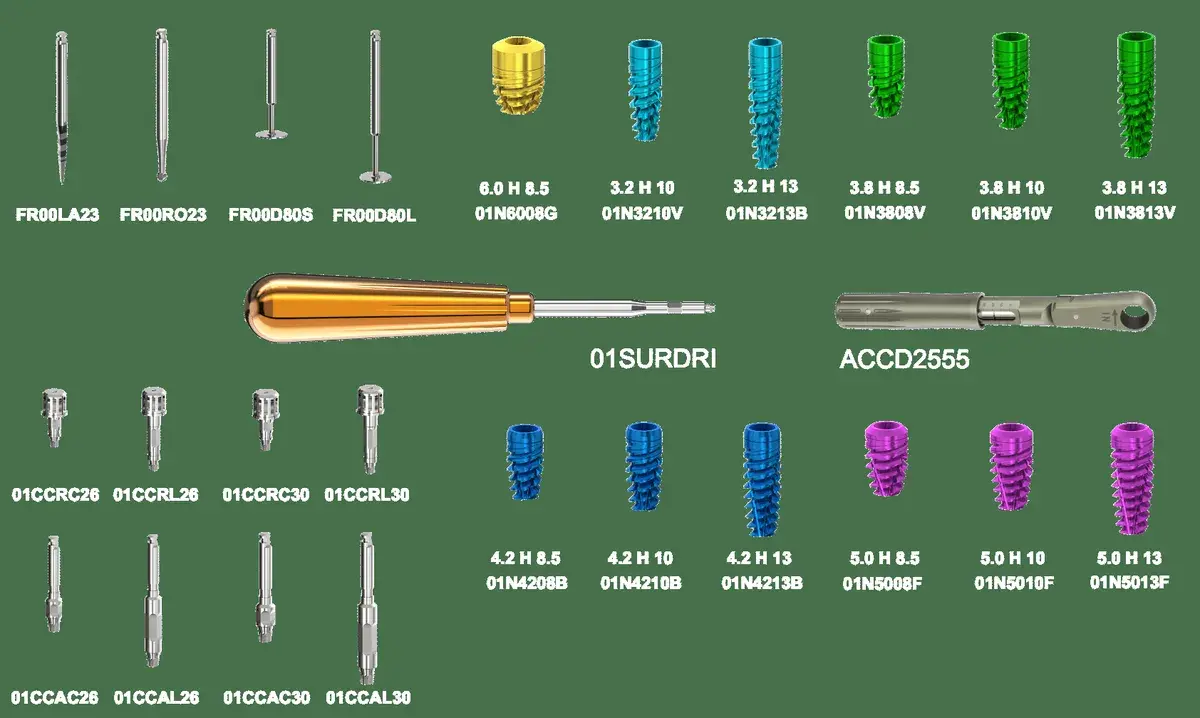
Bone expansion isn't for specialists. It's the safest way to prepare any implant site — used next to your usual drills, in the same appointment.

While you run two-stage GBR, your competitors place implants in a single session. The competitive edge of the Bonebenders — with the numbers that prove it.

Real story of immediate-load implants after a sports trauma at 23. Seventeen years on, the result is still perfect. How to smile again, fast.
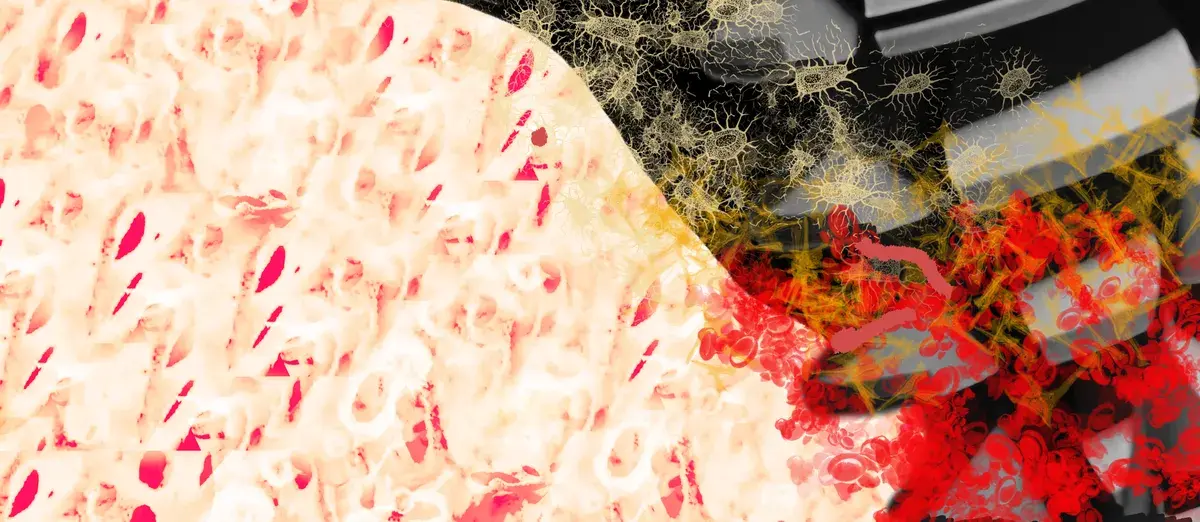
Primary stability is friction — it always means bone compression. Why torque and ISQ thresholds don't predict success, and where to compress.
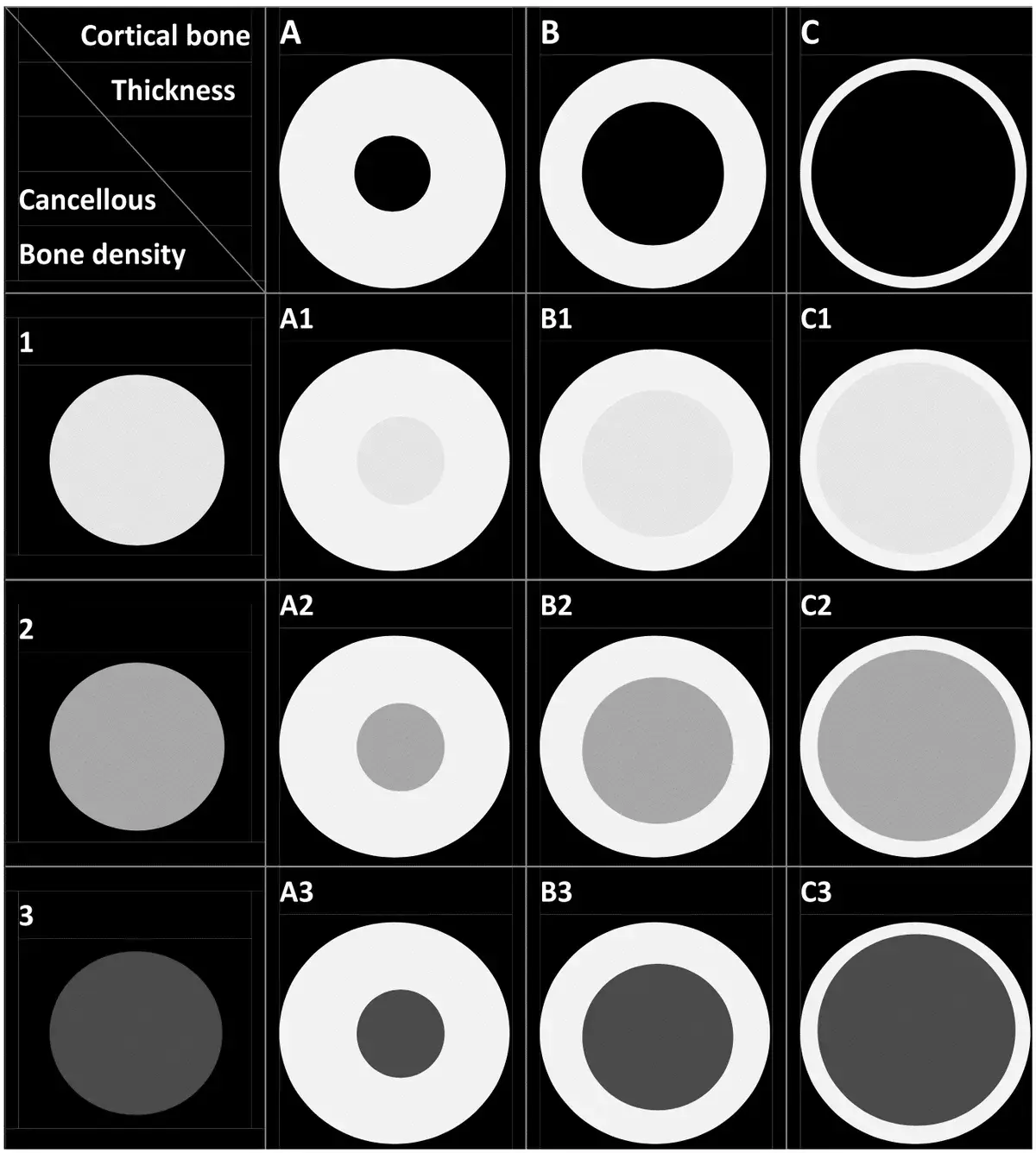
The Wang A1-C3 system separates cortical and trabecular bone into 9 real configurations. Why it beats Misch D1-D4 for implant planning.
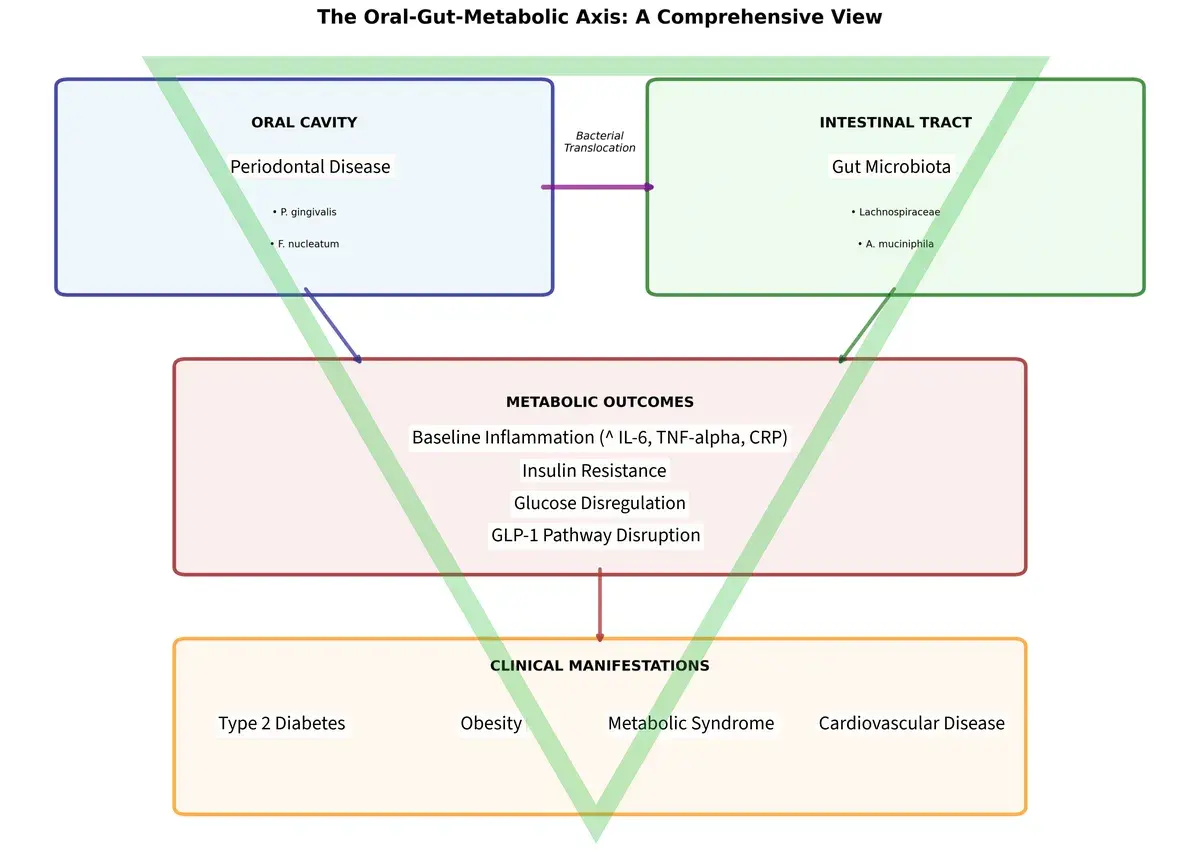
Osseoperception is the sixth sense of dental implants: how the brain rewires to feel touch and bite force through bone after osseointegration.
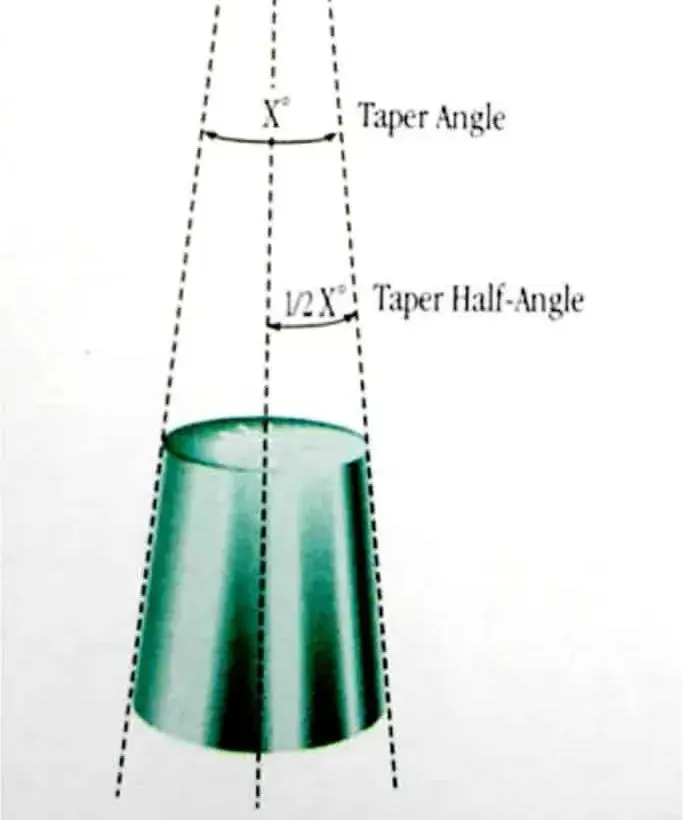
Microgap, crestal bone loss, mechanical stability: why the implant-abutment connection is not a detail. Morse taper vs flat compared.
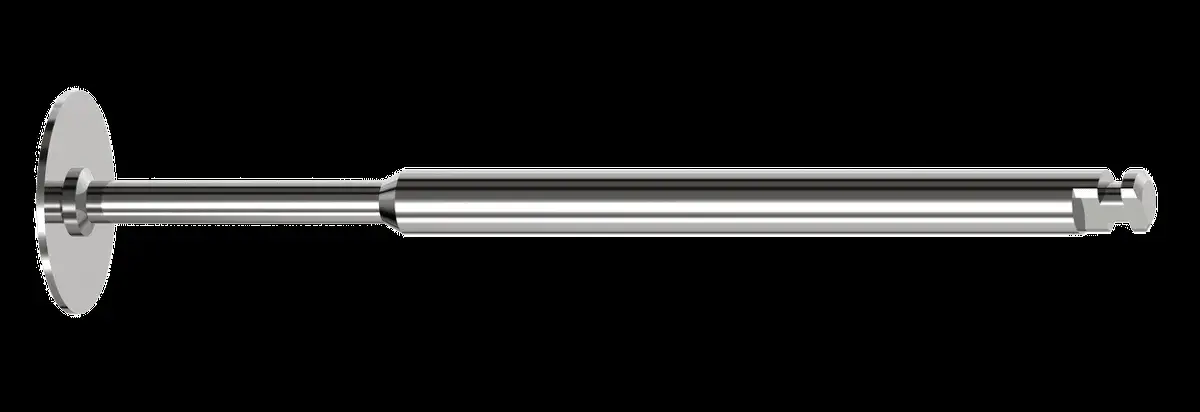
How the diamond disc makes mandibular ridge expansion fast, graft-free and atraumatic — a real alternative to GBR in dense bone. No overheating, no mallet.
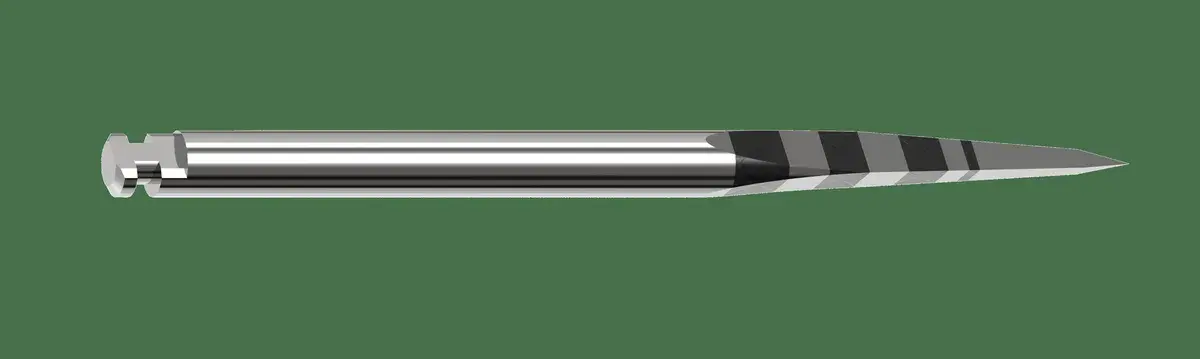
The Bonebenders modified lancet bur: trajectory correction, interradicular septa, and graftless sinus access for advanced implantology.
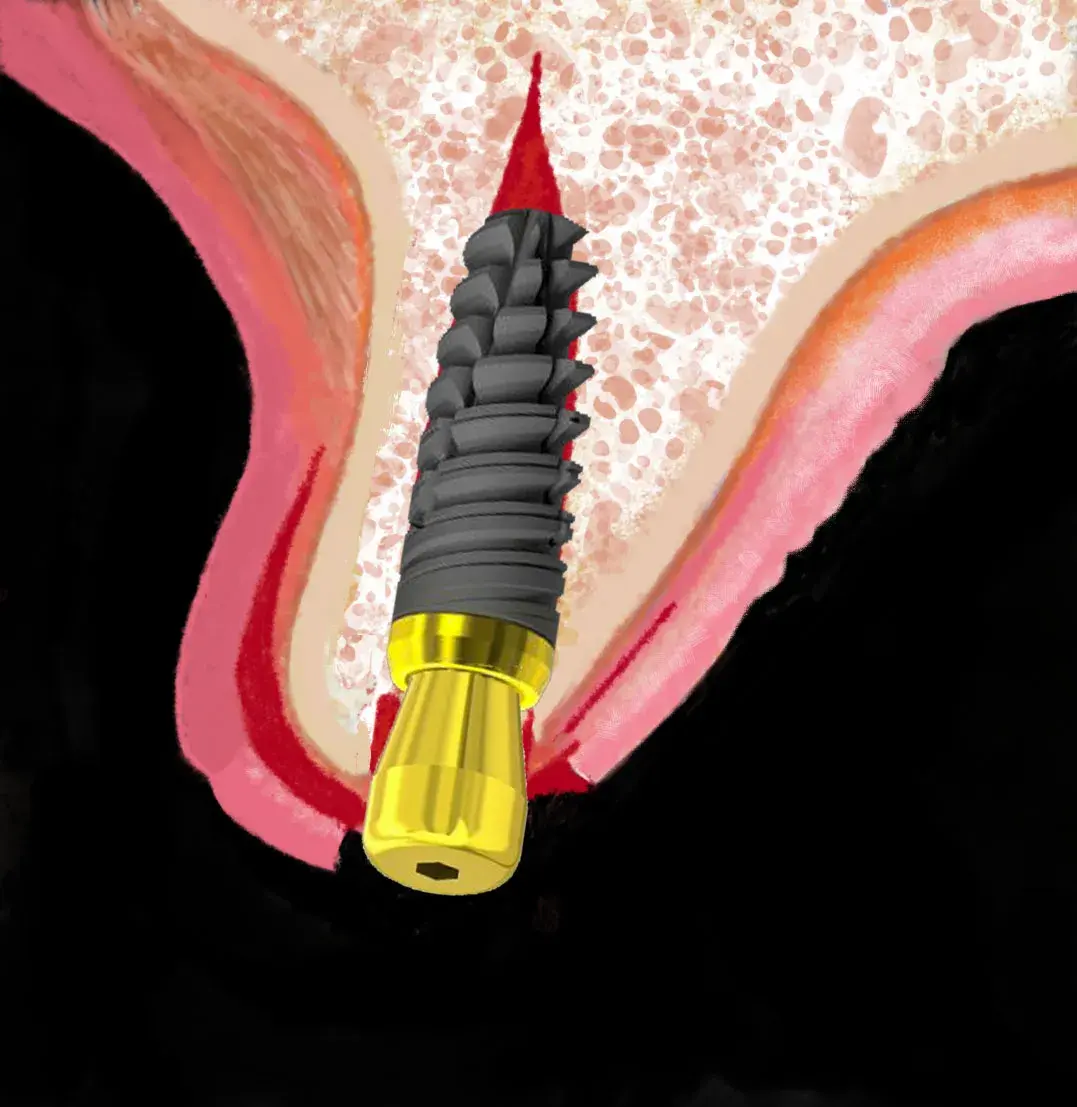
Meta-analysis of 1,400 implants confirms ridge split works: 98.1% survival, 3.3mm bone gain. Why expansion rivals grafting for moderate horizontal defects.
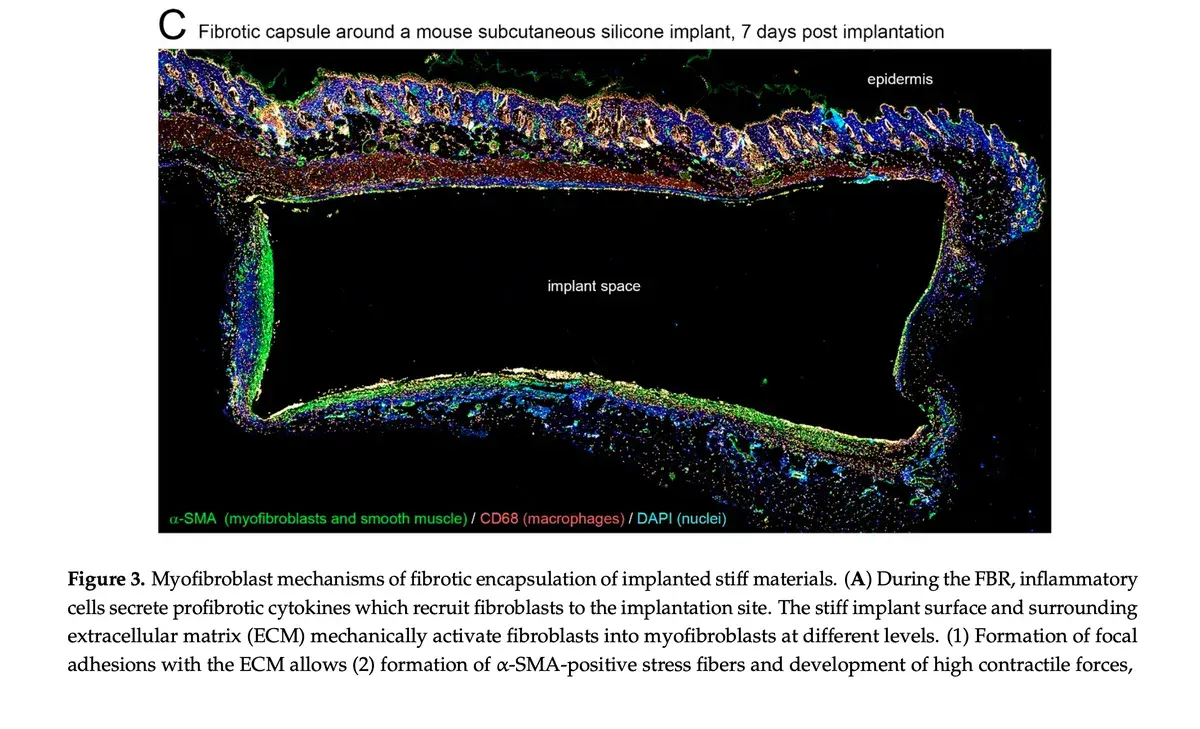
What myofibroblasts do after an implant: the difference between osseointegration and fibrointegration, and how to keep an implant from failing.
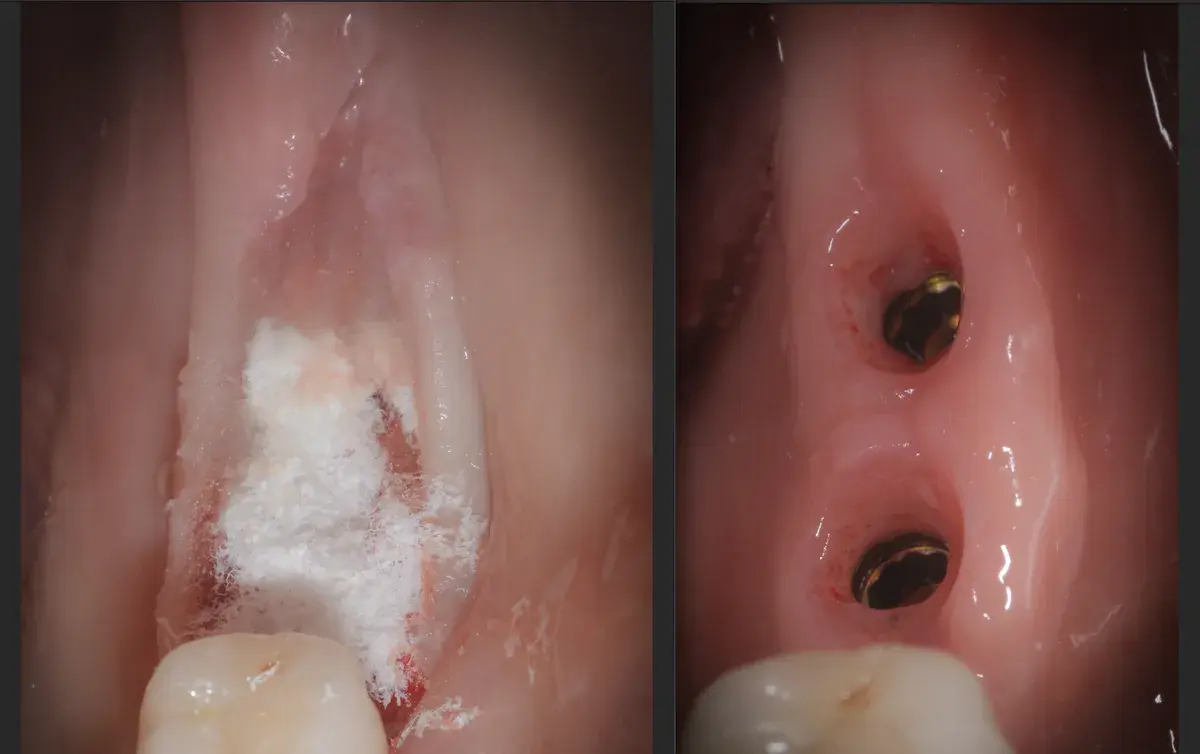
A 2024 paper calls the Gingival Open-Wound Technique an 'innovation'. Dr. Bruschi has documented second-intention healing in implantology since 1998.

Second-intention healing rebuilds bone and gum without sutures. Recent reviews confirm the open palate heals on its own — costly aids rarely help.
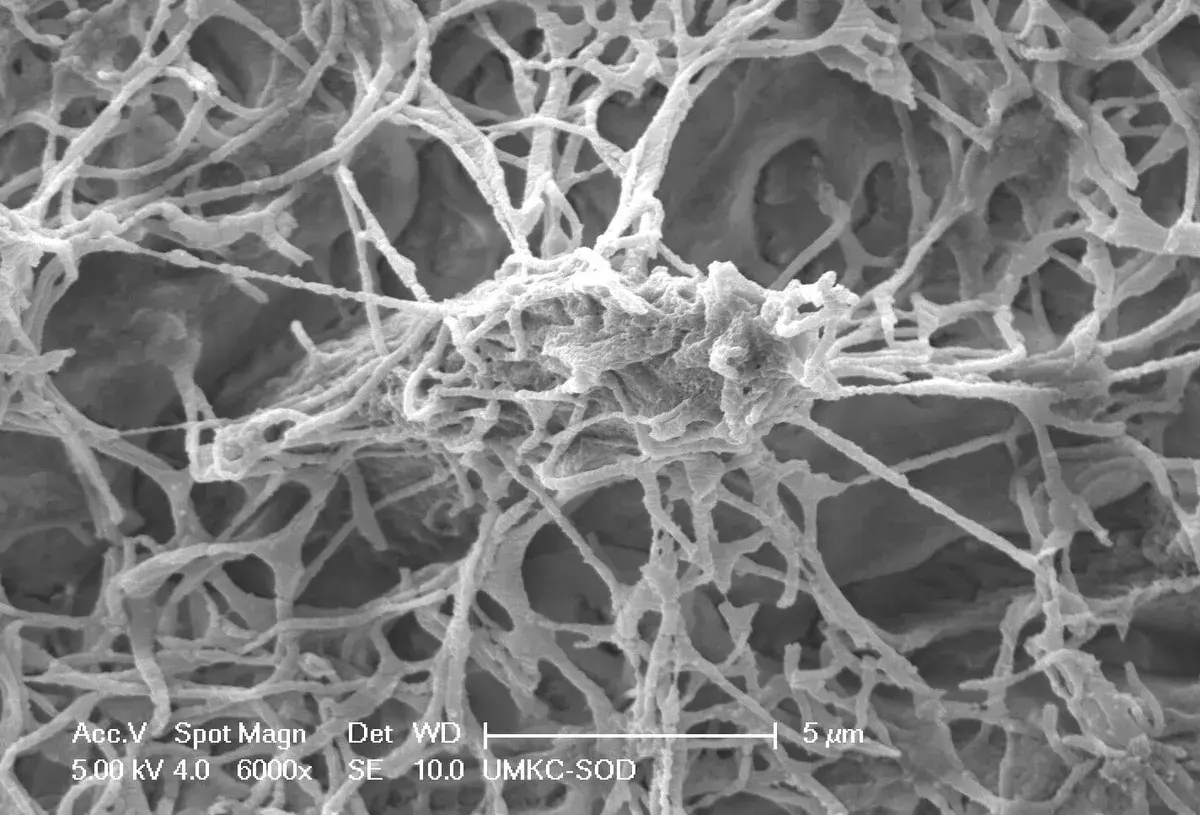
The osteocyte connectome: the lacunocanalicular network that coordinates bone remodeling, mechanics and implant osseointegration.
Custom regeneration isn't the opposite of All-on-X — it's its evolution. When to save teeth, when to go full-arch, and why one size never fits.
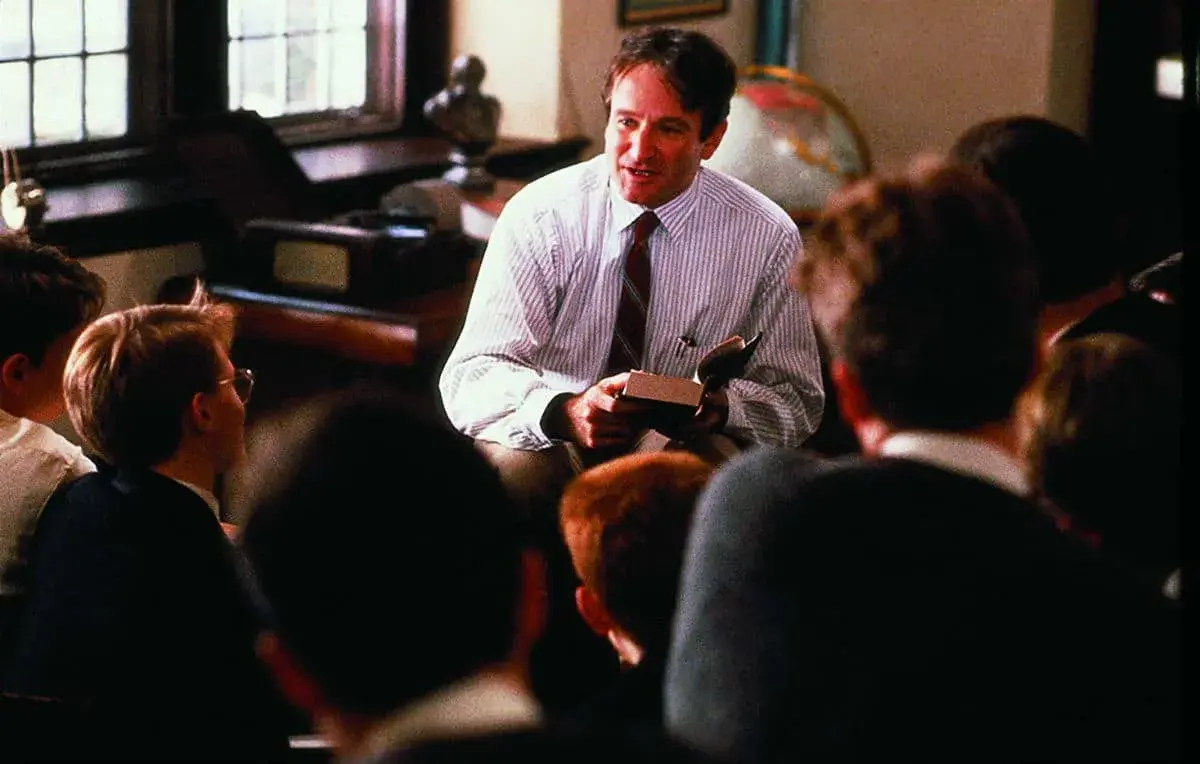
What makes a great dental teacher? Deep expertise, humility, hands that teach, and the courage to say "I don't know". Ten qualities, grounded in evidence.
The therapeutic alliance is the real foundation of lasting clinical success: deep listening, trust and adherence — now backed by recent dental evidence.
Tailor-made bone and gum regeneration: minimally invasive, effective, fast. Two generations of surgeons, grounded in 2024-2025 evidence.
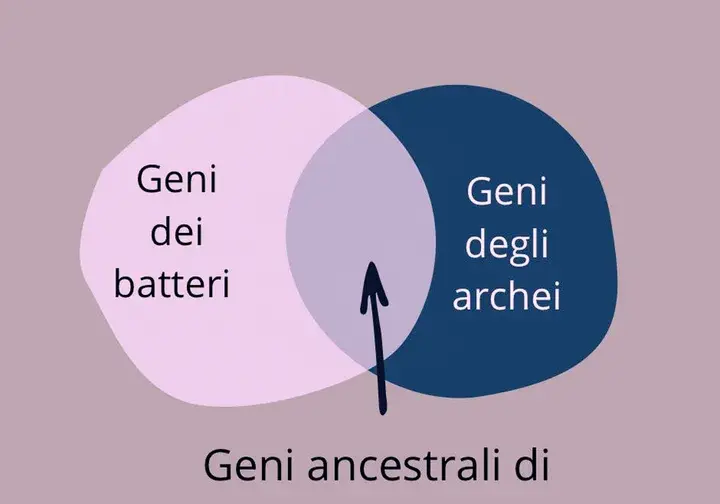
LUCA, the last universal common ancestor: the single cell all life descends from. Its genome, its habitat, and why it still matters to modern medicine.
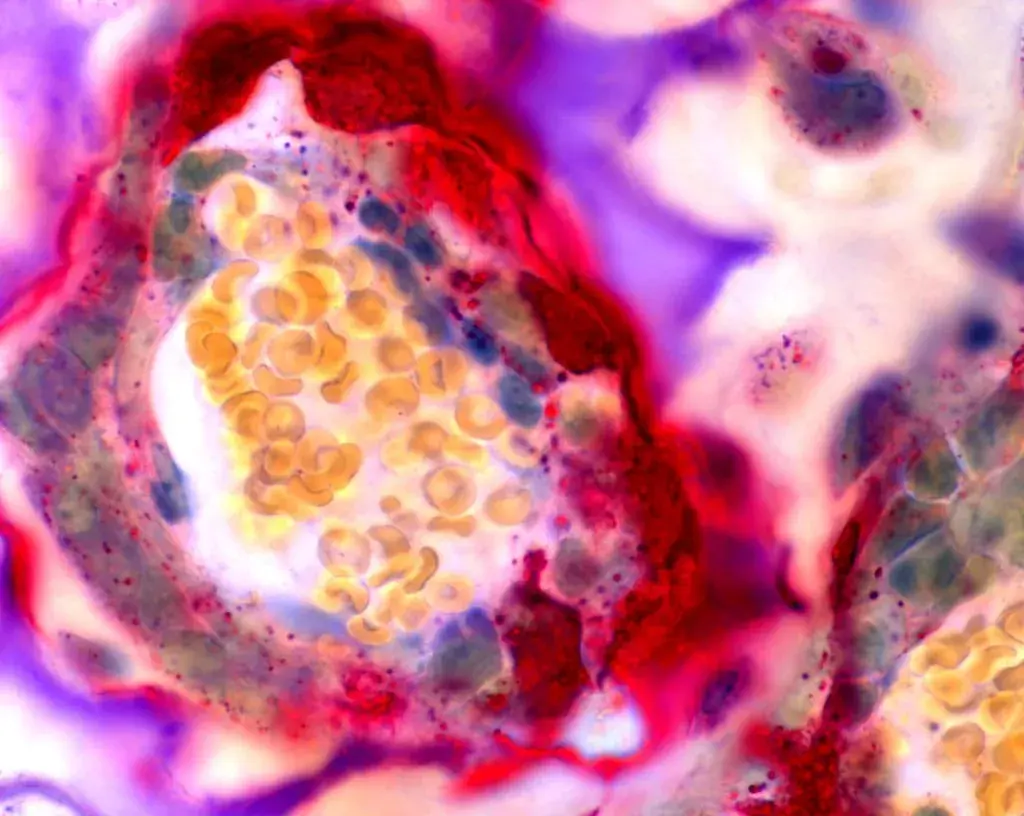
Osteoclasts resorb, osteoblasts build, osteocytes coordinate: how bone remodeling works and why it determines dental implant success.
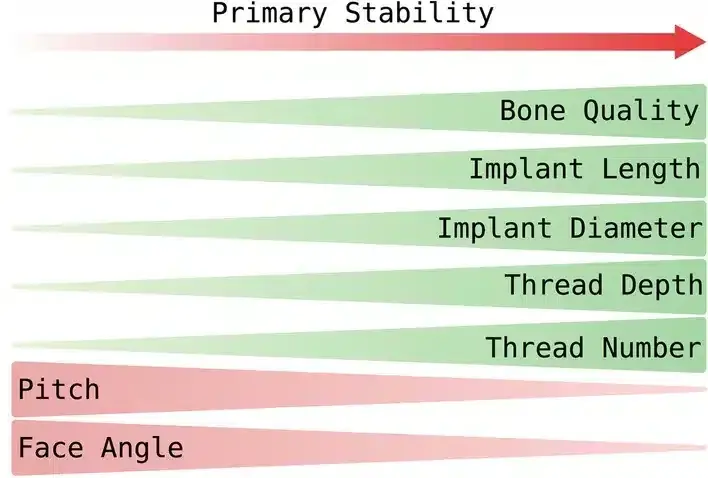
Implant macrogeometry — body shape, length, diameter, threads — drives primary stability. What recent evidence says and how to choose the design.
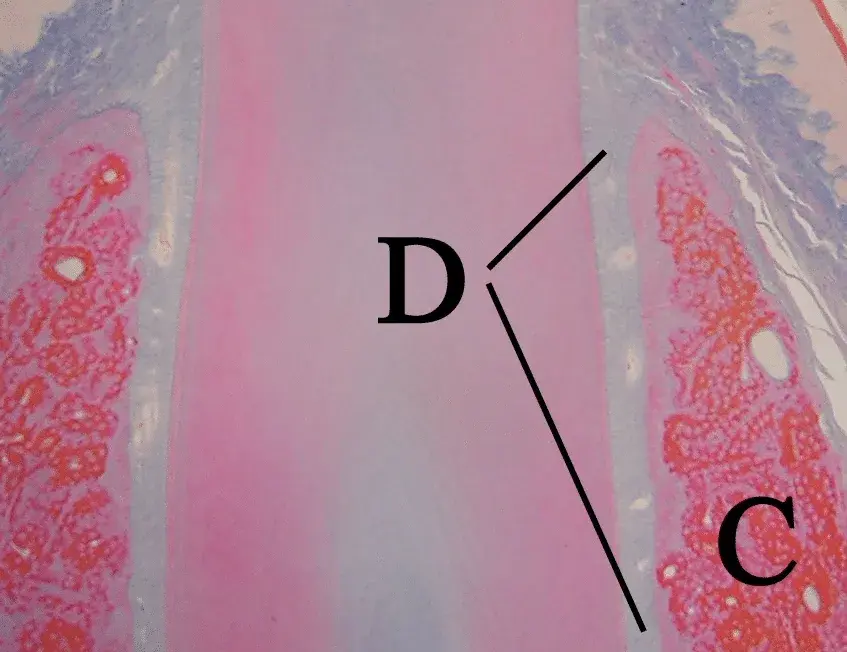
Periodontal ligament (PDL) stem cells have remarkable osteogenic power — even from diseased tissue. Why preserving the PDL improves post-extraction implants.
Free periodontal screening app: 2017 staging and grading diagnosis, individual risk, personalised recall intervals and AI radiograph analysis.

Manola has periodontitis. When is root planing enough, when is surgery needed, and why trust between patient and dentist quietly decides the outcome.
The JP2 genotype of Aggregatibacter actinomycetemcomitans has African roots but spread aggressive periodontitis across every continent.
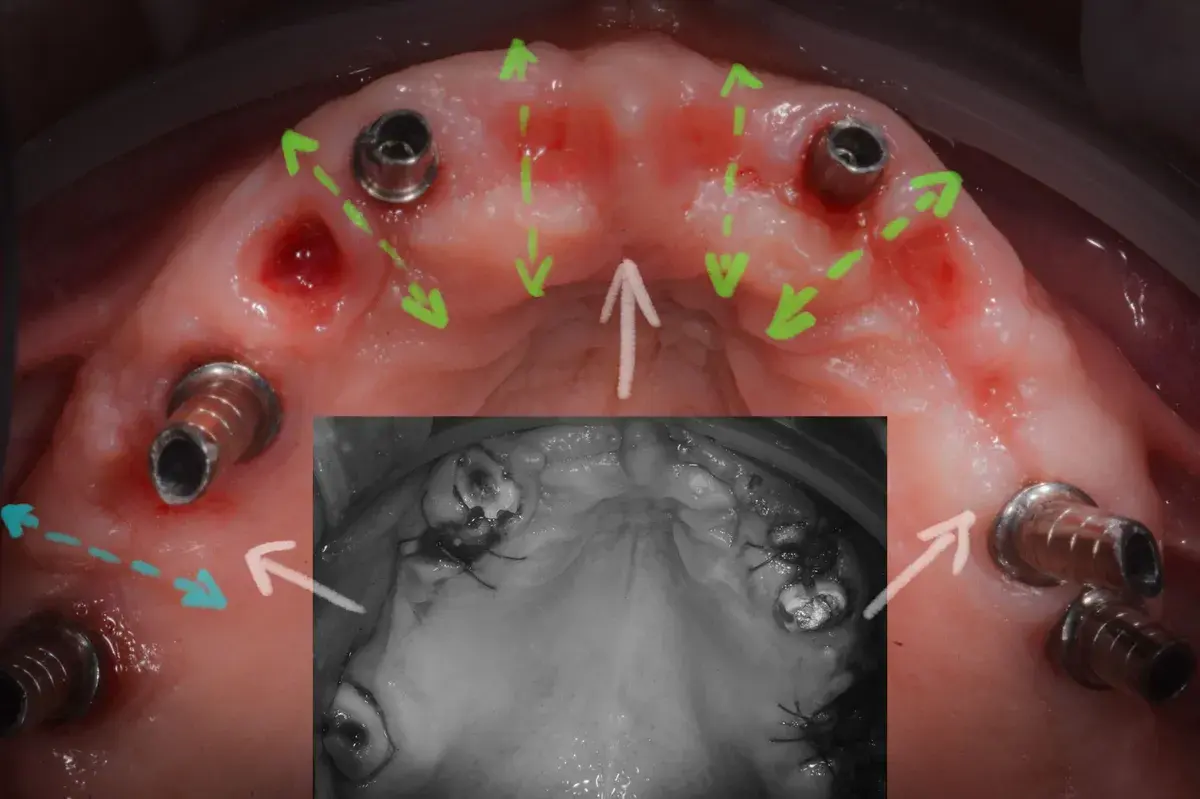
Osteo-mucosal ridge expansion regenerates bone and keratinized mucosa without grafts or sutures — a full-arch maxillary case with 7-year follow-up.
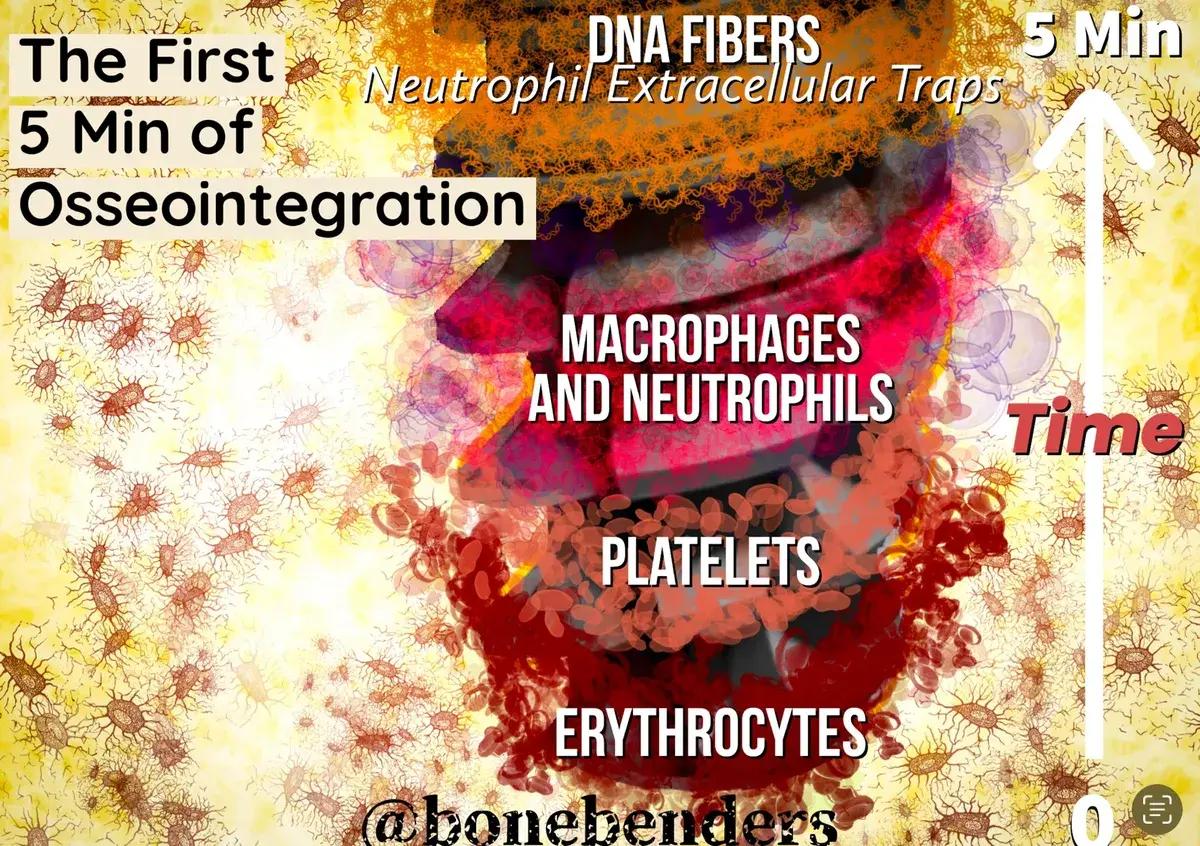
In the first five minutes after implant insertion, blood coats titanium with proteins in a precise sequence — and surface roughness decides what sticks.
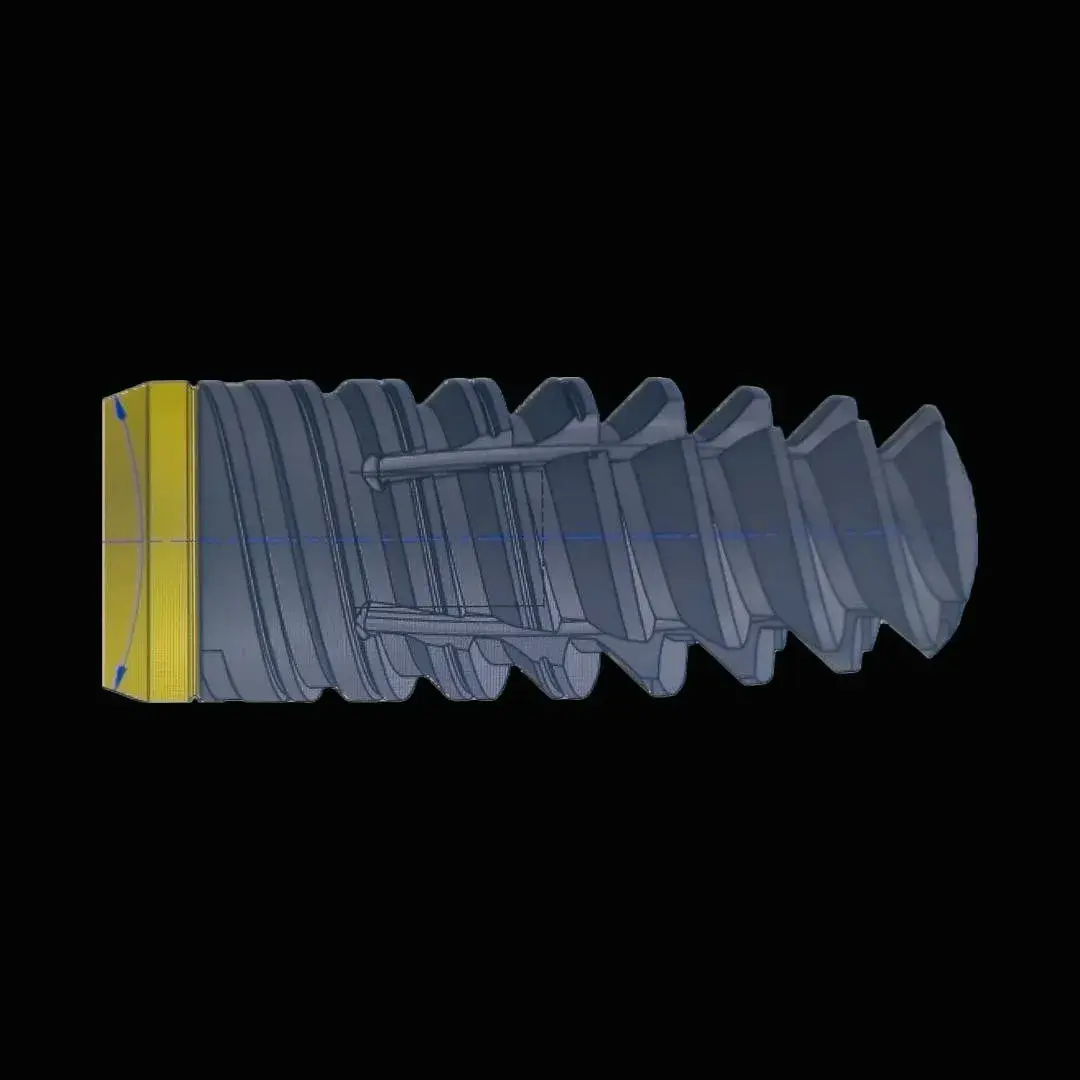
Implant "shape innovation": why macro- and micro-geometry, not roughness alone, drives bone healing — threads, healing chambers, distance osteogenesis.
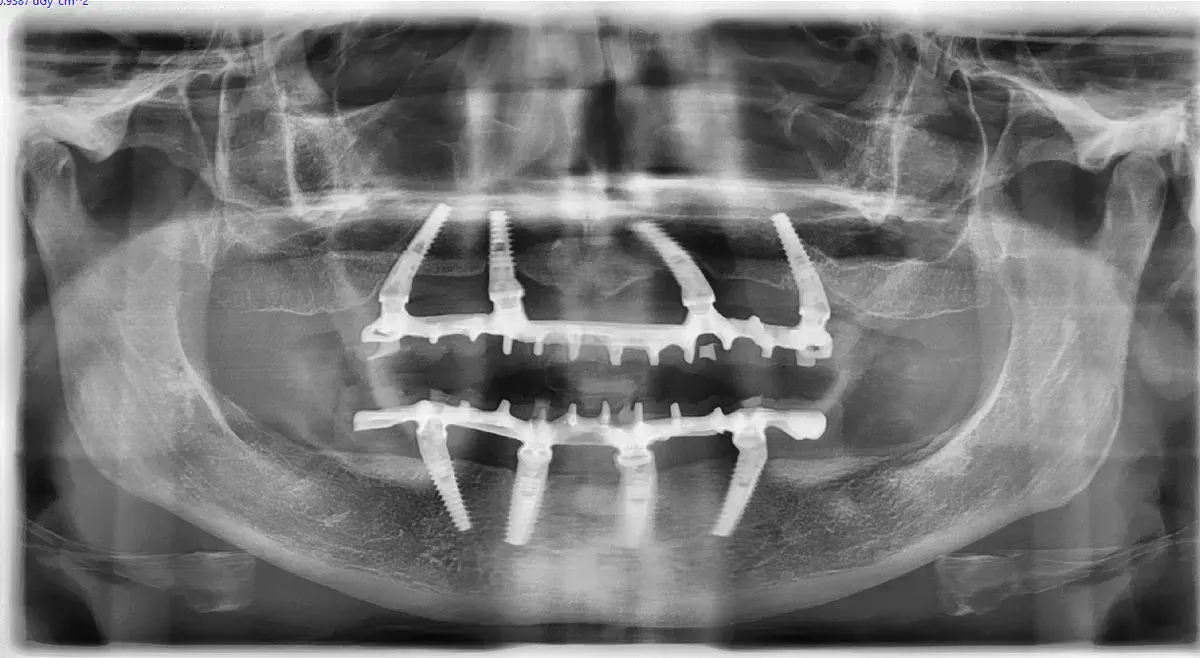
How immediate-loading implantology works, when it is indicated, and its real benefits over delayed loading. Clinical guide by Dr. Ernesto Bruschi.
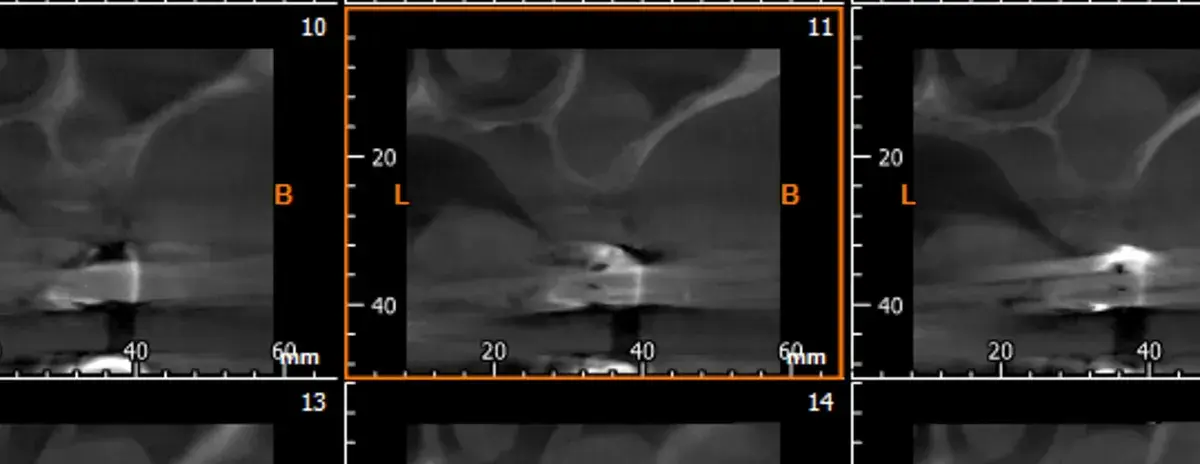
Francesco lost his upper teeth to dodge the draft, then endured decades of failing bridges. Regenerative ridge expansion rebuilt his bone, and his smile.
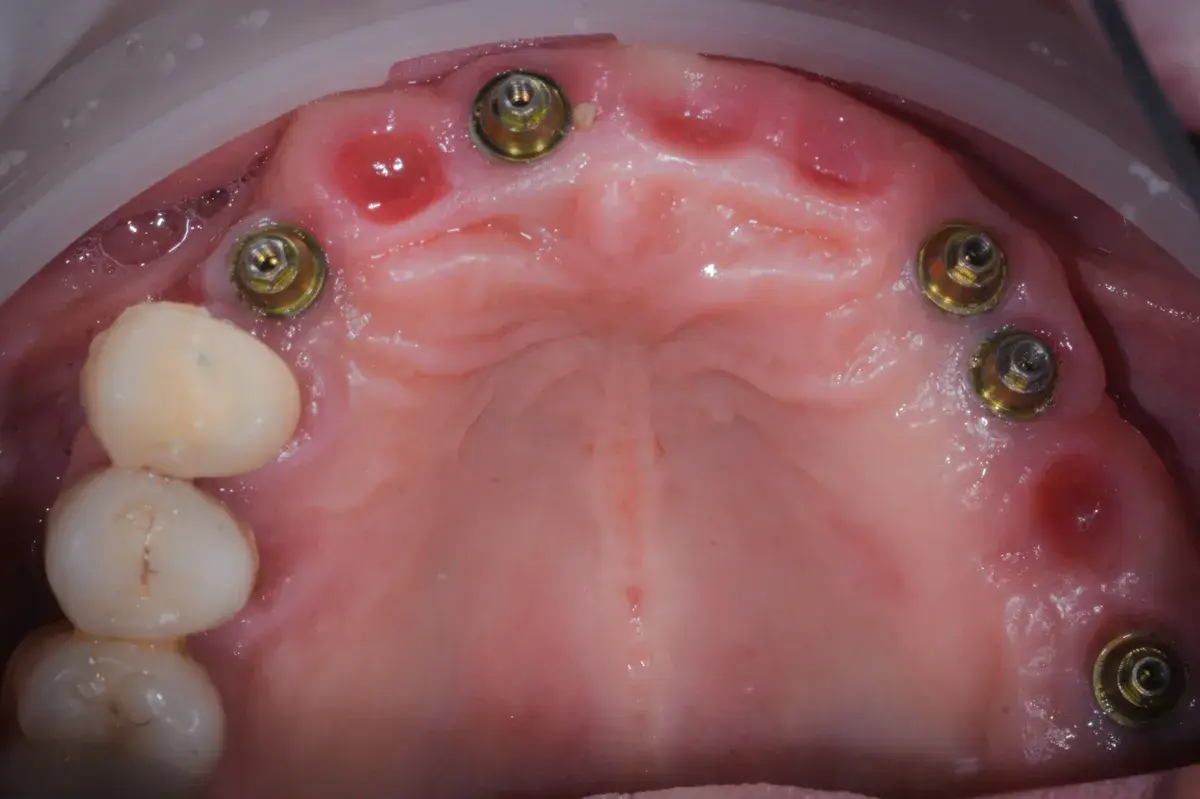
A friend with malpositioned implants and terminal gum disease, rebuilt with new implants and graftless mucosal regeneration using ovate pontics.

Porphyromonas gingivalis uses fimbriae to bind integrin beta-1 and invade our cells. How the periodontal pathogen gets inside — and why it matters.

No dental treatment, implants included, succeeds 100% of the time. The real survival rates — and why minimally invasive care matters when something fails.
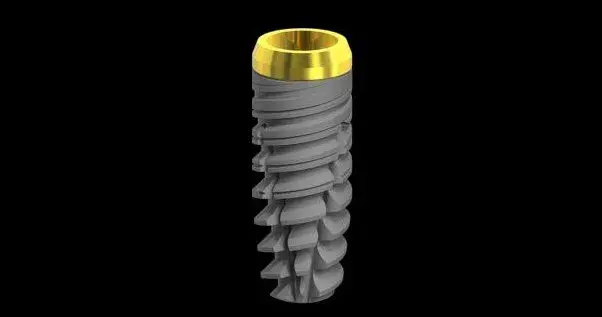
Macrogeometry, not a smooth surface, drives implant primary stability: conical bodies, aggressive threads and the right torque beat smooth cylinders.
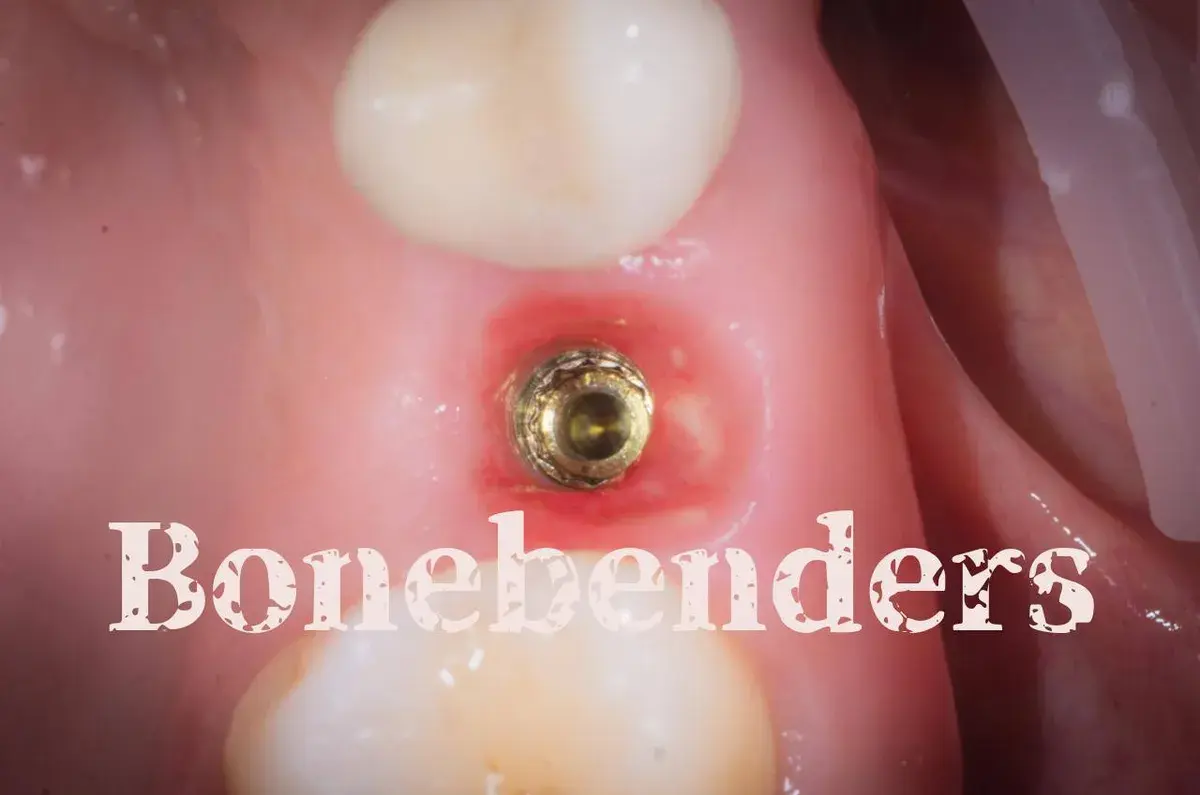
Bonebending reduces grafts and healing times vs GBR. 2023-2025 meta-analyses confirm 98-100% implant survival and minimal morbidity.
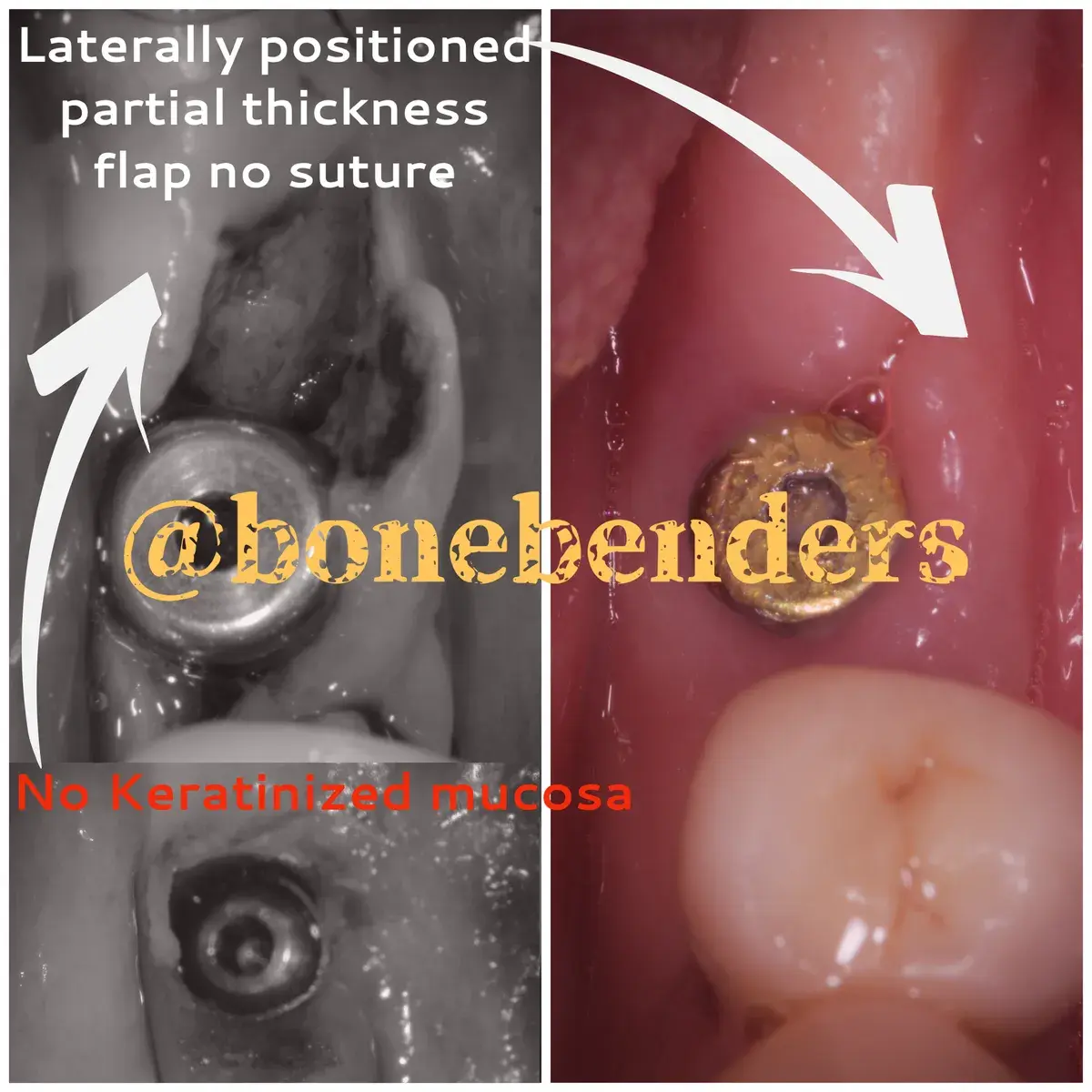
A simple periodontal procedure that regenerates keratinized mucosa around implants — without grafts. Secondary intention healing, done right.
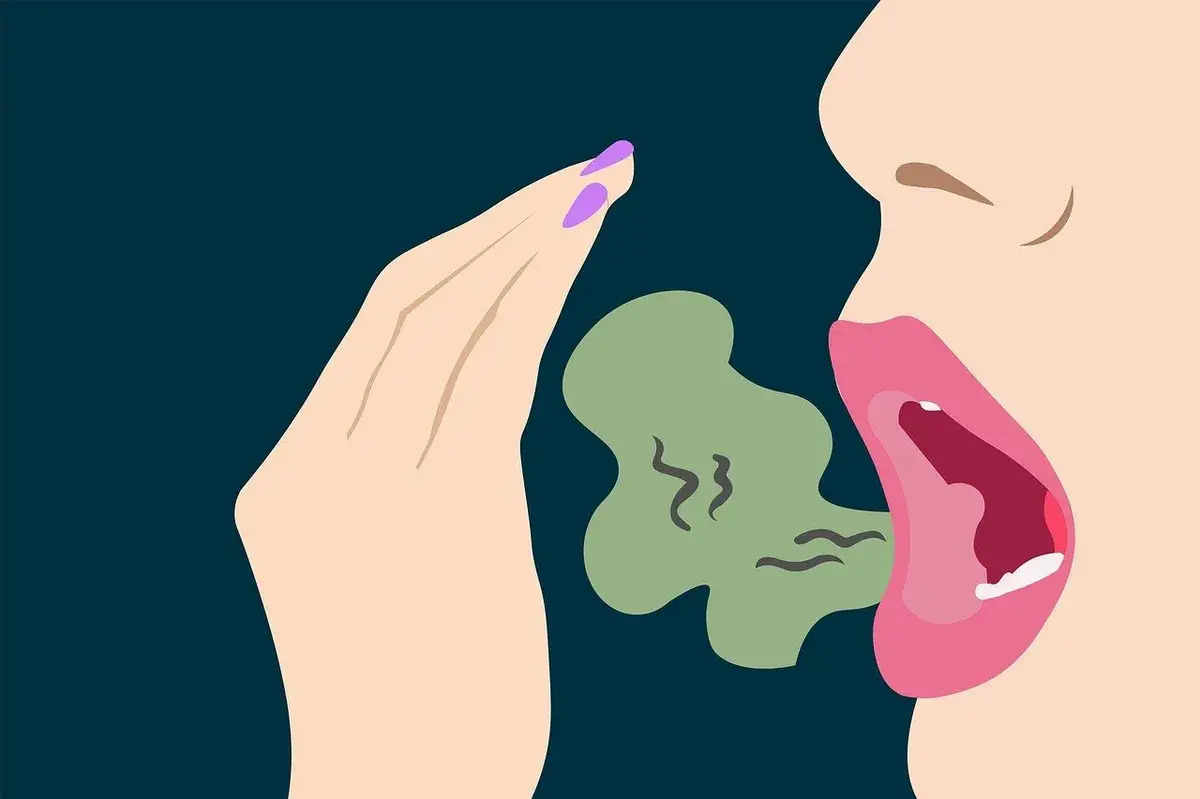
Chronic bad breath is often caused by gum disease. How periodontitis drives oral malodor through volatile sulfur compounds — and how to treat it.
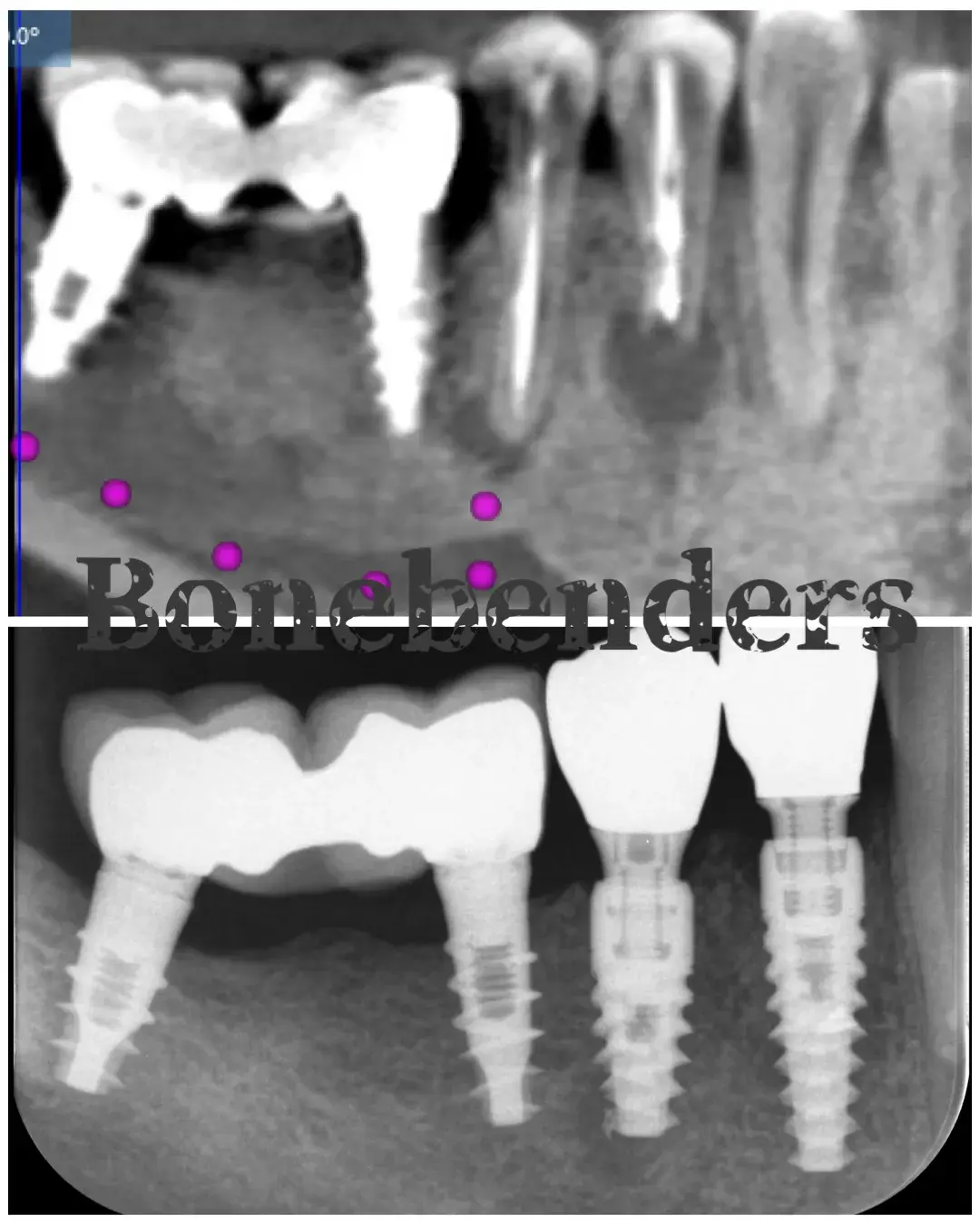
Immediate implant after extraction preserves bone and works even with buccal defects. Indications, contraindications and long-term outcomes.
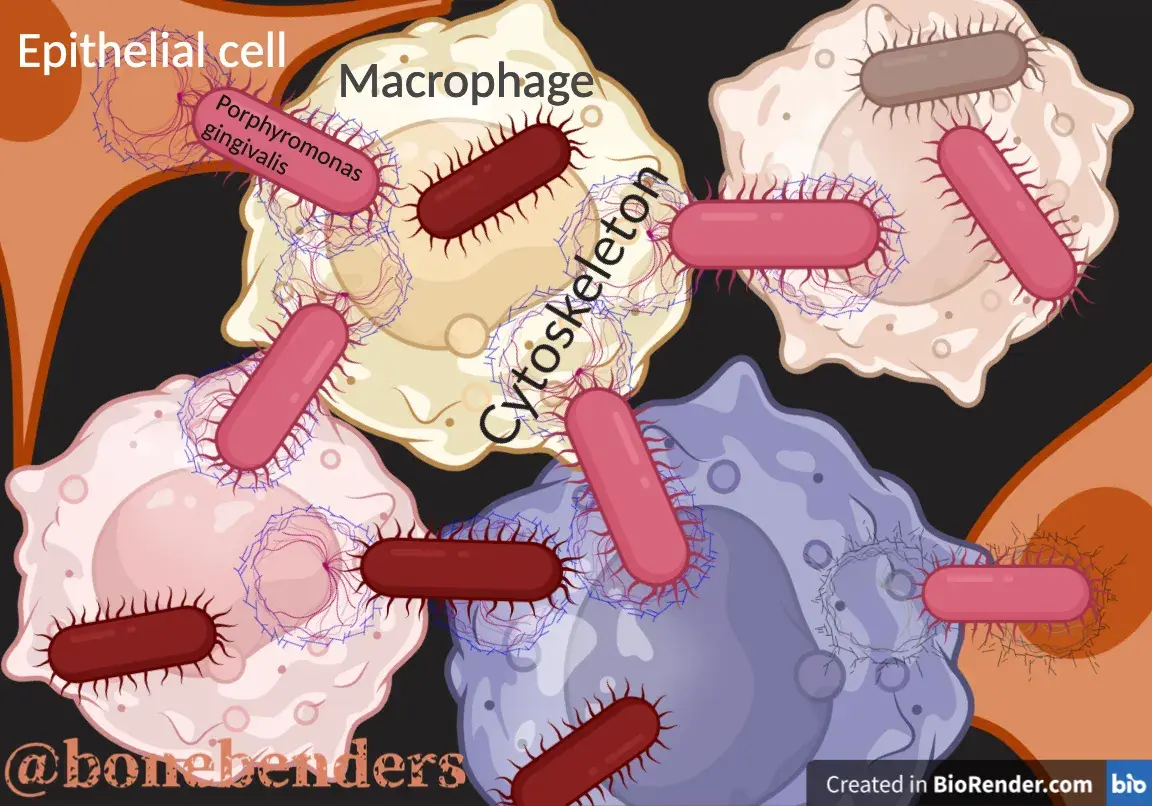
How Porphyromonas gingivalis adapts to the dark of the periodontal pocket, slips inside host cells, and subverts our immune defences.
AI-generated responses. Not a substitute for medical advice. Do not enter personal or health data: privacy .